
Soups & Stews
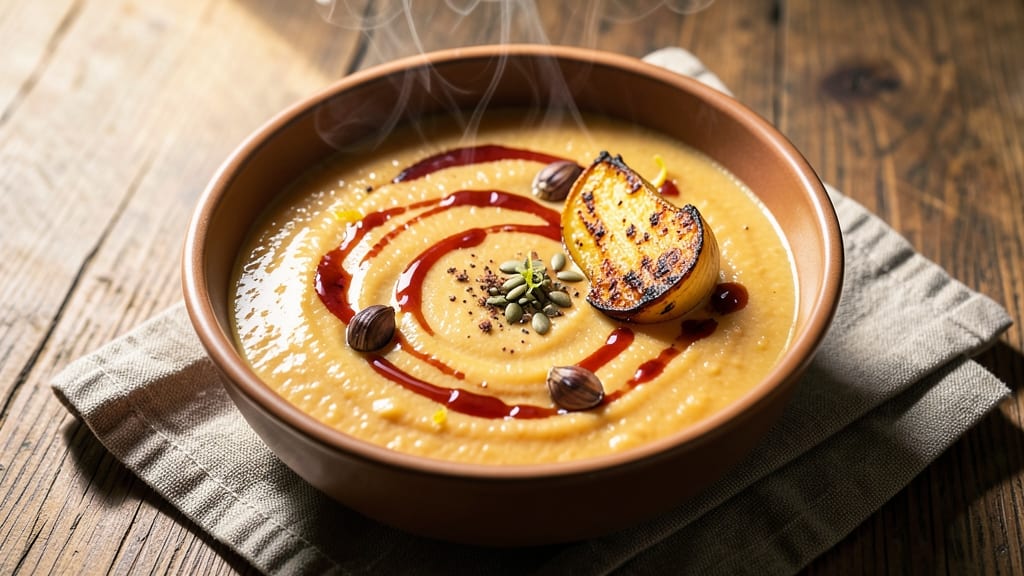
This best butternut soup recipe in the world delivers the richest, velvety texture you'll ever taste—roasted squash that caramelizes into sweet, jammy perfection while simmering into a silky-smooth broth.
The secret lies in slow-roasting the squash first, which deepens its natural sweetness and transforms it into a fail-safe method that works every time. I've perfected this over years of testing, and it's become my go-to for cozy fall dinners that impress even skeptical guests.
The process starts with aromatic onions and garlic sautéed until golden, then roasted butternut squash that releases its sugars into the pot. A splash of apple cider vinegar brightens the sweetness while a touch of cream adds luxurious body—no heavy cream needed for that restaurant-quality finish.
What you'll end up with is a soup so smooth it practically melts on your tongue, with just the right balance of sweet, savory, and tangy flavors.
This isn't your average butternut soup—it's restaurant-quality at home, with depth of flavor that comes from proper technique. The roasting step concentrates the natural sweetness while developing caramelized notes that elevate the entire dish.
Served with crusty bread or a sprinkle of toasted pumpkin seeds, it becomes a complete meal that feels indulgent yet remains approachable for home cooks.
Perfect for chilly evenings or holiday gatherings, this soup keeps well for up to 5 days in the refrigerator, making it ideal for meal prep. The technique is simple but the results are extraordinary—proof that great food doesn't require complicated methods, just attention to detail.
Ready to make the best butternut soup you've ever tasted?
Ingredients for best butternut soup recipe in the world
Roasted squash, aromatic onions, and velvety cream—these ingredients transform into the best butternut soup ever.
| Ingredient | Amount | Notes |
|---|---|---|
| Butternut Squash 🎃 | 3 lb | Peeled, cubed, roasted first |
| Yellow Onion 🧅 | 1 whole | Medium, thinly sliced |
| Garlic Cloves 🧄 | 4 cloves | Fresh, minced |
| Apple Cider Vinegar 🍏 | 1 tbsp | For bright acidity |
| Vegetable Stock 💧 | 4 cups | Low-sodium preferred |
| Heavy Cream 🥛 | ½ cup | Full-fat for richness |
| Extra-Virgin Olive Oil 🫒 | 2 tbsp | For roasting and sautéing |
| Salt 🧂 | 1 tsp | Kosher, adjust to taste |
| Ground Black Pepper 🌶️ | ½ tsp | Freshly cracked |
| Cinnamon Stick 🌿 | 1 whole | Optional, for warmth |
| Fresh Thyme Leaves 🌿 | ¼ cup | Or 1 tsp dried thyme |
| Maple Syrup 🍁 | 1 tbsp | For subtle sweetness |
| Pumpkin Seeds 🥜 | ¼ cup | Toasted, for garnish |
The butternut squash is the star—roasting it first unlocks its natural sweetness and caramelized depth. Grab a 3-pound squash (about 3 inches in diameter) from the produce section, preferably organic if possible. The skin should be firm and free of soft spots. Trader Joe's and Whole Foods often carry the sweetest varieties, but any butternut will work. For extra flavor, leave the skin on during roasting—it adds subtle earthiness. If you're prepping ahead, roast the squash the night before and store it in the fridge until ready to use—it reheats beautifully and intensifies in flavor.
No heavy cream? Coconut milk or cashew cream keeps it rich and velvety. Fresh thyme is ideal, but dried thyme at one-third the amount works in a pinch. The apple cider vinegar might seem odd, but it's what cuts through the sweetness and makes the soup sing. Bragg or Texas Pete are my go-tos for their balanced acidity. For a smoky twist, swap the cinnamon stick for a pinch of smoked paprika. And if you're feeling fancy, toast the pumpkin seeds with a pinch of salt and cayenne—they add crunch and a little kick that elevates the whole dish.
This soup tastes even better the next day as flavors meld together. Store it in an airtight container in the fridge for up to 5 days, or freeze portions for 3 months. The roasted squash can be prepped ahead and frozen too—just thaw overnight in the fridge before blending. For meal prep, double the batch and portion into containers. The cream will separate slightly when reheated, but a quick stir brings it back together. Serve with crusty bread or a sprinkle of those toasted pumpkin seeds for the ultimate cozy bowl.
Why You'll Love This Recipe
- One-Pot Magic: I swear by this—just roast the squash and onion together, then blend with stock and garlic. No extra pots, no fuss, and the flavors meld while you’re chopping veggies for the rest of dinner.
- Vinegar Secret Weapon: That splash of apple cider vinegar? It’s the game-changer. Brightens the sweetness, cuts through the richness, and gives it this just-right tang that makes it taste homemade—not canned.
- Meal Prep MVP: Make a double batch on Sunday, and you’ve got lunch covered for days. Freezes like a dream, too—just reheat with a splash of stock, and it’s just as good the third time around.
- Budget-Friendly Luxury: Butternut squash is cheap, stock stretches forever, and you’re not sacrificing flavor. Here’s what sold me—it feels like a fancy restaurant dish without the price tag. (Yes, even on a Tuesday night.)
Step-by-step instructions for roasted butternut soup
Here's how to transform humble ingredients into the richest, most velvety butternut soup you've ever tasted.
Roast the Butternut Squash and Onion for Deep Flavor
Preheat your oven to 425°F and line a large baking sheet with parchment paper. Toss the 3 lb butternut squash and 1 whole yellow onion (cut into wedges) with 1 tablespoon of the extra-virgin olive oil and ½ teaspoon salt. Spread them in a single layer, cut-side down, on the baking sheet.
Roast for 40-45 minutes until the squash is tender when pierced with a fork and the edges are caramelized to a deep golden brown. The onions should be soft and slightly charred around the edges. This roasting step develops incredible sweetness and depth of flavor that no raw cooking method can match. I like to give it a gentle shake halfway through to ensure even browning.
Sauté Garlic and Build the Aromatic Base
While the squash roasts, heat 1 tablespoon extra-virgin olive oil in a large Dutch oven over medium heat. Add the 4 minced garlic cloves and sauté for 30-45 seconds until fragrant but not browned—garlic burns faster than you think. Immediately add the ½ cup fresh thyme leaves and toast for another 10 seconds until the leaves release their aromatic oils.
Here's the thing—this quick sauté creates the flavor foundation. If you let the garlic brown, it becomes bitter and overpowers the delicate sweetness of the squash. The thyme adds an earthy complexity that elevates the soup from ordinary to extraordinary. Keep the heat medium; high heat will scorch these delicate aromatics.
Simmer the Squash and Onion in Stock
Once the squash is roasted, transfer it to your Dutch oven with the garlic-thyme mixture. Add the 4 cups vegetable stock, 1 tablespoon apple cider vinegar, and the 1 whole cinnamon stick. Bring to a boil, then reduce heat to medium-low and simmer uncovered for 20-25 minutes until the squash is completely tender.
Use an immersion blender to purée the soup directly in the pot—this keeps all the beautiful roasted bits suspended in the velvety liquid. If you prefer using a regular blender, carefully transfer the hot mixture (in batches) to the blender, then return it to the pot. The soup should be completely smooth with no visible chunks at this stage. Taste and adjust seasoning with ½ teaspoon salt and ½ teaspoon ground black pepper as needed.
Finish with Cream and Maple Syrup for Richness
Return the soup to medium heat and stir in the ½ cup heavy cream and 1 tablespoon maple syrup. Simmer gently for 5-7 minutes until heated through—don't let it boil or the cream will curdle. The maple syrup adds just enough sweetness to complement the roasted squash without overpowering it.
This is where the magic happens: the cream adds luxurious body while the maple syrup rounds out the flavors. I like to taste at this stage to ensure the balance is perfect—sweet, creamy, and savory all in one spoonful. If you prefer a lighter texture, you can reduce the cream to ¼ cup, but I promise you won't want to.
Garnish and Serve with Toasted Pumpkin Seeds
Remove the cinnamon stick and discard it. For the garnish, heat 1 tablespoon extra-virgin olive oil in a small skillet over medium heat. Add the ¼ cup pumpkin seeds and toast for 3-4 minutes until golden brown and fragrant, shaking the pan frequently to prevent burning. Transfer to a paper towel to cool.
Ladle the soup into bowls and top each serving with the toasted pumpkin seeds. The contrast of their nutty crunch against the silky soup is what makes this dish truly special. Serve immediately while the seeds are still warm and crisp. This soup tastes even better the next day, but the seeds lose their crunch if left too long—so enjoy it fresh!
Pro Tips For Making Best Butternut Soup Recipe In The World
- CHAR THE ONIONS FIRST: Char those onions until they’re dark at the edges—almost black in spots. I used to stop too soon, and the soup lacked depth. A few minutes longer at medium heat builds sweetness and complexity that nothing else replaces.
- PEEL THE SQUASH AFTER ROASTING: Skip peeling raw squash—just roast it whole, then scoop out the flesh. The skin protects the squash from drying out, and the flavor stays richer. (Yes, even if you’re impatient like me.)
- SAVE THE STOCK WATER: When draining your cooked squash, don’t toss that starchy water—strain it and add it back to the pot. It thickens the soup naturally and keeps it from being too thin. I learned this the hard way after making a watery mess.
- ACIDIFY AT THE END: Add the apple cider vinegar after simmering, not at the start. The heat breaks down the acid’s brightness, so a splash at the end keeps that tang sharp and intentional. Sounds weird, but it works.
Make-ahead tips for this best butternut soup recipe in the world
Roast Ahead
The secret to making this soup in advance is roasting the butternut squash and onions the night before. Prep them exactly as directed, then store in an airtight container in the fridge. The flavors intensify overnight, giving you deeper caramelized notes with minimal effort.
Simply reheat the roasted squash and onions with fresh stock and aromatics when ready to blend—no need to roast again. This cuts your active cooking time by 45 minutes on the day you serve. 💫
Freezer-Friendly Bases
Make a base of roasted squash, onions, and stock, then freeze in quart-sized freezer bags with 2 inches of headspace. Thaw overnight in the fridge before blending. The texture remains velvety after freezing because we're not adding cream until reheating.
To use, simply add fresh cream, maple syrup, and thyme when reheating—this keeps the soup rich without curdling. Label bags with the date for easy tracking.
Creamy Make-Ahead Hack
For a lighter make-ahead option, omit the cream entirely when first making the soup. Store the blended soup in the fridge for up to 5 days, then stir in the cream just before serving. This prevents separation and keeps the soup's texture silky smooth.
I like to add a splash of warm milk (or water) when reheating to help re-emulsify the cream naturally. The flavor won't be as rich, but it's a great compromise for meal prep.
Portion Control
Divide the completed soup into 4-cup portions in glass containers with tight-sealing lids. Store in the fridge for up to 4 days or freeze for 3 months. When reheating, add 1 tablespoon water or stock per portion to prevent thickening. The roasted squash flavor actually improves after storage, making this one of the few soups that tastes better the next day. Just
Batch Prep Tips
Double the recipe and freeze half for future meals. Use the remaining portion immediately for a cozy dinner. When reheating from frozen, transfer the container to a cold water bath to thaw overnight. This gentle method preserves texture better than microwave defrosting. For quick reheating, use a pot on low heat with a splash of stock—never boil or the cream will separate. Stir frequently to maintain even heating. ✨
Garnish Fresh
Toast pumpkin seeds and fresh herbs separately just before serving. Store them in small airtight containers in the fridge for up to 3 days. The seeds lose their crunch when stored with the soup, but toasting them fresh keeps that satisfying texture contrast.
I also recommend keeping a small jar of apple cider vinegar on hand—adding ½ teaspoon per bowl when reheating brightens any flat flavors that develop during storage.
Nutrition facts
Frequently asked questions
Why does roasting the squash first make this soup better?
Roasting caramelizes the natural sugars in the squash, creating deep, jammy sweetness that simmering alone can't achieve. The edges become slightly crispy while the center stays tender, adding complex flavors that turn ordinary soup into something extraordinary. This technique also concentrates the flavor, so you get more impact per bite.
Can I make this soup without heavy cream?
For a lighter version, substitute with ½ cup coconut milk or ¼ cup cashew cream—both add richness without heaviness. If you prefer dairy, Greek yogurt thinned with a splash of stock works beautifully. Just remember the soup will be slightly less velvety but still delicious.
How do I fix curdled cream in my soup?
If the cream separates, stir in 1 tablespoon cold water or stock per cup of soup and reheat gently on low heat. The water helps re-emulsify the cream naturally. For extra insurance, whisk in 1 teaspoon cornstarch mixed with 1 tablespoon cold water—simmer for 2 minutes to restore smoothness.
What's the best way to reheat leftovers?
Reheat gently on the stovetop over low heat—never boil or the cream will separate. Add 1 tablespoon water or stock per bowl to prevent thickening. For microwave reheating, use 50% power for 1-2 minutes, stirring halfway. The soup actually tastes better the next day as flavors meld!
Can I use frozen butternut squash instead of fresh?
Fresh is ideal for best texture, but you can use frozen squash in a pinch. Thaw and drain completely, then roast as directed. The flavor will be slightly less concentrated, but the soup will still be delicious. For extra depth, add ½ teaspoon cinnamon to the roasting pan to compensate for lost sweetness.