
Soups & Stews
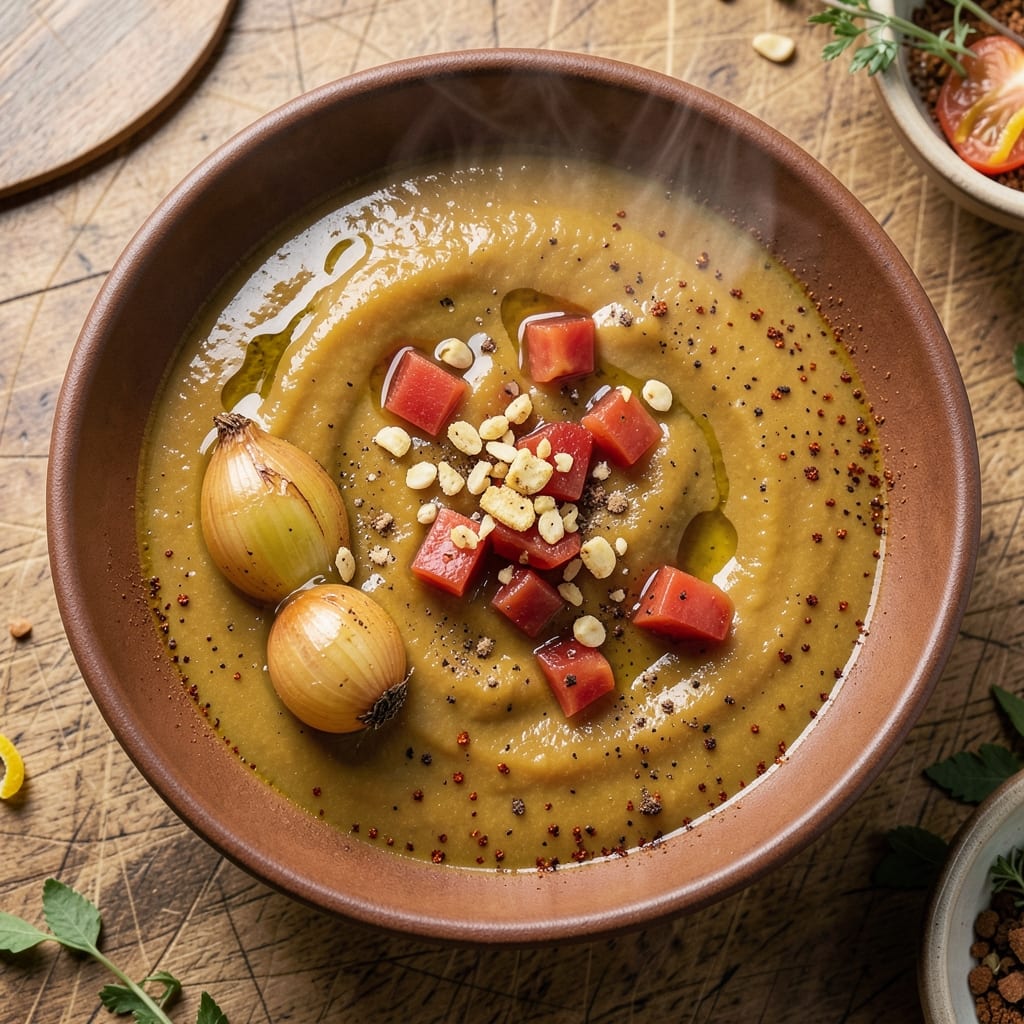
African pumpkin soup transforms humble ingredients into a velvety masterpiece where toasted spices and coconut cream create warmth in every spoonful. This recipe captures the soul of West African cooking—where pumpkin's natural sweetness meets earthy spices like ginger and garlic, slow-simmered into a rich, comforting broth. The secret lies in proper spice toasting, which unlocks deep, aromatic flavors that elevate simple ingredients into something extraordinary.
What sets this soup apart is its balance: creamy yet light, spicy but not overpowering, with just enough coconut milk to add luxurious richness without heaviness. The texture is velvety smooth, achieved through careful blending and simmering, while the spices—cinnamon, nutmeg, and cayenne—build layers of complexity that reward patient cooking. This is the kind of soup that feels like a hug on a chilly evening, with each bite offering both comfort and sophistication.
The preparation begins with sautéing onions and garlic until golden, then adding toasted spices that fill your kitchen with an irresistible aroma. Pumpkin purée and vegetable broth form the base, simmering until flavors meld into perfect harmony. The coconut cream adds a velvety finish, while fresh cilantro brightens the final presentation. This recipe delivers restaurant-quality results with just a few simple techniques and ingredients you likely already have.
Perfect for family dinners or cozy gatherings, this soup pairs beautifully with crusty bread or jollof rice. The leftovers reheat wonderfully, making it an ideal meal prep option. Whether you're new to African cuisine or a seasoned home cook, this recipe offers an authentic taste of tradition with approachable steps. Let's create something truly special in your kitchen.
Ingredients for african pumpkin soup
Toasted spices, velvety coconut cream, and aromatic pumpkin create this soulful West African masterpiece.
| Ingredient | Amount | Notes |
|---|---|---|
| Yellow Onion 🧅 | 1 whole | Diced finely for even cooking |
| Garlic Cloves 🧄 | 4 cloves | Minced for aromatic depth |
| Fresh Ginger 🌿 | 2 tbsp | Grated, organic preferred |
| Ground Cinnamon 🌶️ | 1 tsp | Toasted for enhanced aroma |
| Ground Nutmeg 🌶️ | ½ tsp | Freshly grated preferred |
| Cayenne Pepper 🔥 | ¼ tsp | Adjust for heat preference |
| Full-Fat Coconut Milk 🥥 | 1 can | 13.5 oz can, unsweetened |
| Pumpkin Purée 🎃 | 2 cups | Canned or homemade, unsweetened |
| Vegetable Broth 💧 | 4 cups | Low-sodium preferred |
| Fresh Cilantro 🌿 | ¼ cup | Chopped for garnish |
| Olive Oil 🫒 | 2 tbsp | Extra-virgin for sautéing |
| Salt 🧂 | 1 tsp | Diamond Crystal preferred |
| Black Pepper 🌶️ | ½ tsp | Freshly ground for flavor |
The spices are non-negotiable for authentic flavor. Penzeys Spices or bulk bins at Whole Foods offer the freshest, most aromatic options. Toast your cinnamon and nutmeg in a dry pan until fragrant—this step unlocks their full potential. For ginger, organic varieties have more punch, but conventional works fine. The coconut milk must be full-fat; Thai Kitchen or Native Forest brands deliver consistent quality. Pumpkin purée should be unsweetened—Libby's or local farmers' market options work well.
No fresh ginger? Powdered ginger at half the amount suffices, though texture differs. Cayenne too spicy? Swap for smoked paprika—it adds depth without heat. Vegetable broth lacking depth? Add 1 tsp soy sauce for umami. Cilantro hater? Fresh parsley brightens just as well. For extra creaminess, blend in 1/4 cup cashew cream at the end. The olive oil should be extra-virgin—California brands like Corto offer excellent flavor profiles.
Store leftovers in airtight containers for 4-5 days—flavors deepen overnight. Freeze for up to 3 months by portioning into ice cube trays before transferring. Reheat gently on low heat, stirring occasionally to maintain texture. This soup reheats beautifully, making it ideal for meal prep. For best results, serve with crusty sourdough or jollof rice to complement its velvety richness.
Why You'll Love This Recipe
- One-Pot Magic: I swear by this recipe because it’s all in one pot—no chopping chaos, no last-minute scrambling. Sauté the onions, garlic, and ginger together, then dump in the pumpkin and spices. The cinnamon and nutmeg do the heavy lifting, so you’re basically stirring while it works its flavor spell.
- Warm Spice Hug: That first sip? Pure comfort. The ginger gives it a little kick, but the cinnamon and nutmeg wrap it in cozy warmth—like a hug in a bowl. Honestly, it’s the kind of soup that makes you slow down and savor every spoonful, even on a busy day.
- Meal Prep MVP: Between us, this soup begs to be made ahead. The flavors actually deepen overnight, and it reheats like a dream. I make a big batch on Sundays, freeze portions, and boom—weeknight dinners solved. (Yes, even on a Tuesday night.)
- Budget-Friendly Luxury: Pumpkin is cheap, spices are cheap, and you’re not using fancy ingredients—just smart ones. A single can of pumpkin and a handful of pantry staples stretch to feed four for under $10. Feels fancy, costs next to nothing. My wallet and I are forever grateful.
Step-by-step instructions for African pumpkin soup
This velvety soup builds layer upon layer of flavor—starting with toasted spices and ending with rich coconut cream.
Sauté Aromatics with Toasted Spices
Heat the 2 tablespoons olive oil in a large pot over medium heat. Add the 1 whole yellow onion, 4 cloves garlic cloves, and 2 tablespoons fresh ginger, cooking for 5 minutes until the onion softens and becomes translucent. Here's the thing—don't rush this step. You want the garlic to develop a golden hue and the ginger to release its pungent aroma.
Reduce heat to medium-low and add the 1 teaspoon ground cinnamon, ½ teaspoon ground nutmeg, and ¼ teaspoon cayenne pepper. Toast the spices for 1 minute, stirring constantly, until the mixture smells deeply aromatic. This toasting step unlocks the spices' full potential and forms the soul of your soup. Watch carefully—if the spices darken too quickly, reduce heat immediately to prevent burning.
Build the Base with Pumpkin and Broth
Pour in the 2 cups pumpkin purée and stir to combine with the spiced aromatics. Let it cook for 3 minutes until the pumpkin begins to thicken slightly. This ensures the purée incorporates fully and develops a smooth texture.
Gradually add the 4 cups vegetable broth, stirring continuously to prevent lumps. Bring the mixture to a gentle simmer and let it cook uncovered for 15 minutes. You'll notice the soup reduce slightly and deepen in color—this concentration intensifies the flavors. Taste at this stage and adjust seasoning with the 1 teaspoon salt and ½ teaspoon black pepper as needed. The soup should balance sweet pumpkin with warm, earthy spices.
Finish with Coconut Cream
Remove the pot from heat and carefully stir in the 1 can full-fat coconut milk. The contrast between the warm spices and cool coconut creates an immediate velvety texture. Return the soup to low heat and let it warm through for 2-3 minutes, stirring gently to avoid breaking the delicate emulsion.
Here's where precision matters: the coconut milk should melt into the soup without curdling. If you notice any separation, whisk vigorously to re-emulsify. The finished soup should be luxuriously thick but still spoonable—neither too thin nor too heavy. If it's too thick, thin with a splash of warm broth.
Garnish and Serve
Ladle the soup into bowls and immediately garnish with the ¼ cup chopped fresh cilantro. The bright herb cuts through the richness and adds a final layer of freshness. Serve immediately while still steaming hot—this soup tastes best fresh from the pot, when the coconut cream is still velvety and the spices are at their peak aroma.
For an elevated presentation, sprinkle an extra pinch of ground cinnamon or cayenne pepper on each serving. The contrast of temperatures—warm soup against cool garnishes—enhances the dining experience. Pair with crusty bread to soak up every last drop of this comforting, spice-infused creation.
Pro Tips For Making African Pumpkin Soup
- Sweat the Onions Low: Don’t rush this—cook your yellow onion on medium-low heat until it’s translucent and just starting to caramelize (about 8-10 minutes). I used to crank the heat and end up with bitter, raw onion flavor, which kills the depth of the soup’s spices.
- Grate the Ginger Fine: Use a microplane or the smallest holes on a box grater for your fresh ginger. The finer it is, the more it blends smoothly into the soup without leaving gritty bits—trust me, you’ll taste the difference, especially when paired with the nutmeg.
- Bloom Spices in Oil: Toast your cinnamon and nutmeg in a dry pan for 30 seconds before adding them to the soup—just until you smell that warm, earthy aroma. This step makes the spices sing instead of fading into the background like they do when thrown in raw.
- Simmer, Don’t Boil: Once the pumpkin is added, keep the heat at a gentle simmer (tiny bubbles, not rolling). Boiling turns the soup grainy and breaks down the pumpkin’s texture faster—you want that creamy, velvety consistency, not a watery mess.
Common mistakes when making great african pumpkin soup
Skipping Spice Toasting
Toasted spices are the soul of this soup—skipping this step means missing out on deep, aromatic complexity. I’ve seen many cooks add spices directly to cold broth, but this results in a flat, one-dimensional flavor. Always toast your cinnamon, nutmeg, and cayenne in the oil for 1 minute until fragrant. This unlocks their full potential and creates that irresistible aroma that makes your kitchen smell like a West African market. 🌶️
Using Low-Quality Coconut Milk
Not all coconut milk is created equal—using light or sweetened varieties will ruin the velvety texture and richness. Stick to full-fat, unsweetened coconut milk like Thai Kitchen or Native Forest. Light coconut milk will make your soup taste thin and lack depth, while sweetened versions add unwanted sugar that clashes with the spices. Trust me, your taste buds will notice the difference. The creaminess comes from the fat content, so don’t skimp here.
Overcooking the Pumpkin Base
Simmering the pumpkin and broth for too long turns your soup into a gluey mess. The ideal simmer time is 15 minutes—any longer, and the pumpkin purée will break down into a thick, pasty consistency. If you notice the soup getting too thick, thin it with a splash of warm broth instead of adding more pumpkin. The goal is a smooth, velvety texture, not a heavy paste. Taste as you go to strike the perfect balance.
Adding Coconut Milk Too Early
Stirring coconut milk into the soup while it’s still hot can cause curdling and separation. Always remove the pot from heat, then gently fold in the coconut milk. Reheat it slowly on low heat for just 2-3 minutes—this prevents the delicate emulsion from breaking. If you see any separation, whisk vigorously to re-emulsify. Patience here ensures that luxurious, creamy finish we all crave. 🥥
Ignoring the Resting Time
Freshly made African pumpkin soup tastes best when served immediately after adding the coconut milk. Letting it sit for even 10 minutes before serving allows the flavors to meld and the spices to fully infuse. If you must prep ahead, store it in the fridge and reheat gently on the stove—never microwave, as it can make the coconut milk separate. The wait is worth it for that restaurant-quality depth of flavor.
Over-salting the Broth
Many home cooks overcompensate with salt, thinking they’ll adjust later. But once you’ve added the 1 teaspoon salt to the broth, it’s hard to fix. Taste as you go—start with half the salt, then adjust gradually. Remember, the coconut milk and spices already contribute to the overall flavor profile. A little goes a long way, and you can always add more salt at the end if needed. Trust your palate and don’t rush this step.
Nutrition facts
Frequently asked questions
Can I substitute butternut squash for pumpkin in this recipe?
Yes, butternut squash works beautifully! Use 2 cups puréed butternut squash instead of pumpkin, and you may need to simmer the base for 5-10 extra minutes since squash has a slightly different water content. The flavor will be slightly sweeter and more delicate, but just as comforting.
How can I make this soup spicier without cayenne?
For heat without cayenne, try ½ teaspoon smoked paprika or ¼ teaspoon ground allspice for depth, plus 1-2 teaspoons of minced fresh chili peppers (like jalapeño or habanero). Remove seeds for milder heat. Always taste first—spices build flavor as they simmer!
Is this soup vegetarian or vegan?
This recipe is naturally vegetarian, but not vegan due to the coconut milk. For a vegan version, use full-fat coconut cream (check for plant-based labels) or cashew cream made from soaked cashews blended with water. The texture remains velvety, though coconut cream adds a richer mouthfeel.
Why does my soup look too thin after adding coconut milk?
This usually happens if the base wasn't reduced enough before adding coconut milk. Simmer the pumpkin-broth mixture for 5 extra minutes uncovered to thicken it naturally. If it's still too thin, blend ½ cup of the soup back into the pot—this temporarily thickens it without altering flavor.
What's the best way to reheat leftovers?
Reheat gently on the stove over low heat for 5-7 minutes, stirring occasionally. Avoid microwaving—it can cause the coconut milk to separate. For extra creaminess, stir in 1 tablespoon of coconut milk while reheating. Store leftovers in airtight containers for up to 5 days.