
Soups & Stews
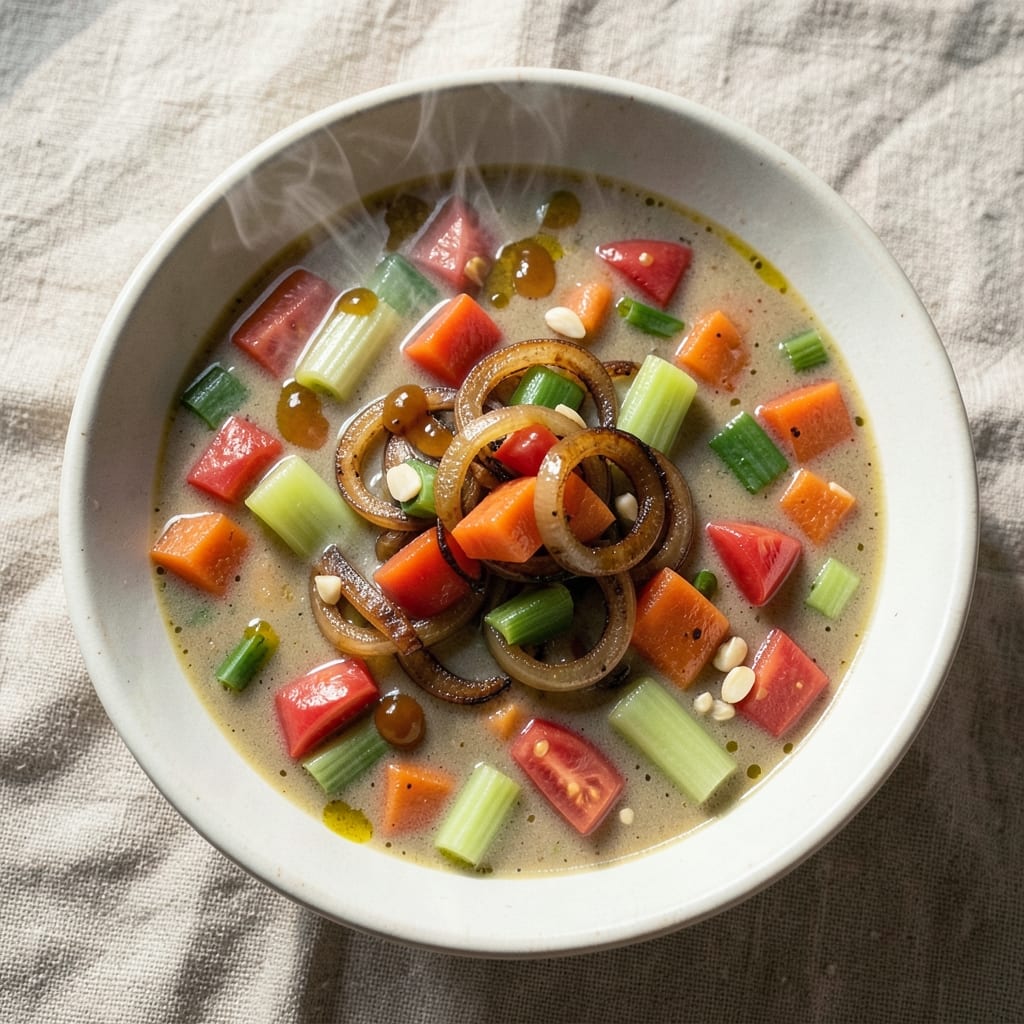
This 7-can vegetable soup recipe transforms pantry staples into a hearty, restaurant-worthy meal in just 40 minutes. The secret lies in building layers of flavor through sautéed aromatics and a long, slow simmer that melds canned vegetables into a cohesive, comforting broth. What starts as simple ingredients becomes a deeply satisfying soup with tender vegetables, rich tomato depth, and a touch of fresh herb brightness.
The beauty of this recipe is its flexibility—swap any canned vegetables you have on hand, adjust the broth for dietary preferences, and customize the seasoning to your taste. We begin with a simple base of onions, garlic, and celery, then layer in seven cans of vegetables like beans, tomatoes, corn, and carrots. The key technique is reducing the broth gradually to concentrate flavors without overcooking the vegetables, ensuring each bite delivers a balance of textures and tastes.
By the time you ladle this soup into bowls, you'll have a dish that's both nourishing and impressive—perfect for chilly evenings or meal prep. The vegetables remain tender-crisp, the broth is rich and savory, and the optional garnish of fresh parsley or a drizzle of olive oil adds a final touch of elegance. This is the kind of soup that feels like a hug in a bowl, all while being simple enough to make on a busy weeknight.
Whether you're feeding a family, preparing for the week, or simply craving a comforting meal, this recipe delivers. The method is straightforward, the ingredients are accessible, and the result is undeniably satisfying. Let's get started on creating this hearty, pantry-friendly soup that tastes like it took hours to make—even though it only takes minutes.
Ingredients for 7 can vegetable soup
Seven cans of vegetables plus aromatic staples transform into restaurant-quality soup in under an hour.
| Ingredient | Amount | Notes |
|---|---|---|
| Yellow Onion 🧅 | 1 whole | Diced, medium dice preferred |
| Carrots 🥕 | 2 whole | Medium, peeled and sliced |
| Celery Stalks 🌿 | 3 whole | Trimmed and chopped |
| Garlic Cloves 🧄 | 4 cloves | Minced, for aromatic base |
| Vegetable Broth 💧 | 4 cups | Low-sodium preferred |
| Diced Tomatoes (14.5 oz can) 🍅 | 1 can | San Marzano preferred |
| Kidney Beans (15 oz can) 🌿 | 1 can | Drained and rinsed |
| Black Beans (15 oz can) 🌿 | 1 can | Drained and rinsed |
| Corn Kernels (15.25 oz can) 🌽 | 1 can | Drained and rinsed |
| Green Beans (15 oz can) 🌿 | 1 can | Drained and rinsed |
| Peas (15 oz can) 🌱 | 1 can | Drained and rinsed |
| Tomato Paste 🍅 | 2 tbsp | High-quality, no sugar added |
| Extra-Virgin Olive Oil 🫒 | 2 tbsp | For sautéing aromatics |
| Dried Thyme 🌿 | 1 tsp | Or 1 tbsp fresh thyme |
| Bay Leaves 🍃 | 2 whole | For depth of flavor |
| Salt 🧂 | 1 ½ tsp | Diamond Crystal kosher salt |
| Black Pepper 🌶️ | ½ tsp | Freshly ground preferred |
| Fresh Parsley 🌿 | ¼ cup | Chopped, for garnish |
The vegetable selection is where this soup shines—San Marzano tomatoes and low-sodium vegetable broth form the flavor foundation. For the canned vegetables, store-brand or trusted brands like Libby's work perfectly, but avoid those with added salt or preservatives. Fresh herbs like thyme and bay leaves elevate the pantry ingredients, while extra-virgin olive oil adds a fruity richness that cuts through the canned vegetable sweetness. If you're short on fresh thyme, dried works at one-third the amount—just make sure it's labeled 'culinary' rather than 'culinary/organic' (the latter can be weaker).
No fresh herbs? Dried oregano or basil at half the quantity works in a pinch, though fresh is ideal. Short on a specific canned vegetable? Swap any similar texture—white beans for kidney, green peas for green beans, or even another can of corn if you're out. The tomato paste is non-negotiable for depth, but Trader Joe's squeeze tubes are perfect for portion control. For extra umami, a dash of soy sauce or 1 tsp miso paste works wonders without altering the vegetarian profile. The key is balancing textures—keep the beans and corn for heartiness, but include a can of peas or green beans for brightness.
This soup tastes even better the next day as flavors meld. Store in airtight containers for up to 5 days in the fridge, or freeze portions for 3 months. For meal prep, double the batch and freeze half immediately—just reheat gently on the stove. The parsley garnish can be added fresh after reheating, or freeze it with the soup if prepping ahead. For a restaurant-worthy finish, drizzle with extra-virgin olive oil and a sprinkle of freshly cracked black pepper just before serving.
Why You'll Love This Recipe
- No Chopping Chaos: I swear by this recipe because it’s the only soup where I can skip the knife entirely. Toss in whole carrots, celery stalks, and onion chunks—no one will notice they’re not julienned, but your wrists will thank you by Wednesday.
- Garlic Bomb Depth: That one crushed clove of garlic? It’s the secret weapon. Simmered in the broth with the canned veggies, it infuses everything with a slow-cooked richness—like someone took the time, but honestly? You didn’t have to lift a finger past opening the cans.
- Leftovers That Last: This soup tastes better the next day, which is perfect because it makes enough to feed a family for three lunches. (Between us, I’ve reheated mine five times and still crave it—proof it’s not just filling, it’s reliable.)
- Pantry Magic on a Budget: Seven cans of veggies? That’s a $10 haul from the discount bin. Add onion, celery, and garlic, and you’ve got a meal that costs less than takeout but feels like a hug in a bowl—especially when you’re stretching groceries thin.
Step-by-step instructions for hearty vegetable soup
Transform pantry staples into a rich, flavorful soup with this efficient method.
Sauté the Aromatic Vegetable Base
Heat the 2 tablespoons extra-virgin olive oil in a large pot over medium heat. Add the 1 whole yellow onion, 2 whole carrots, and 3 whole celery stalks, all diced to medium size. Cook for 5-7 minutes until the vegetables soften and the onion becomes translucent.
Add the 4 cloves minced garlic and continue cooking for 30 seconds until fragrant. This foundational step develops the soup's depth of flavor. If the garlic begins to brown too quickly, reduce heat slightly to prevent bitterness.
Build the Flavor Foundation
Stir in the 2 tablespoons tomato paste and cook for 1 minute until it darkens slightly. This step intensifies the umami profile of the soup. Add the 1 teaspoon dried thyme and 2 whole bay leaves, then pour in the 4 cups vegetable broth. Bring the mixture to a gentle boil.
Once boiling, reduce heat to medium-low and let it simmer for 10 minutes. This allows the flavors to meld together before adding the remaining ingredients. The broth should now have a rich, aromatic base ready for the vegetables.
Incorporate the Canned Vegetables
Add the 1 can diced tomatoes, 1 can kidney beans, 1 can black beans, 1 can corn kernels, 1 can green beans, and 1 can peas, all drained and rinsed. Stir gently to combine. The soup will thicken slightly as the vegetables release their moisture and flavors.
Bring the soup back to a gentle simmer and cook for 15-20 minutes. This ensures all the vegetables are heated through and the flavors have fully integrated. Taste and adjust seasoning with the 1.5 teaspoons salt and 0.5 teaspoon black pepper as needed.
Finish and Garnish
Remove the 2 whole bay leaves and stir in the 0.25 cup chopped fresh parsley. This final step adds brightness and freshness to the soup. The parsley should be distributed evenly throughout for a vibrant presentation and flavor.
Serve the soup immediately while hot, with additional parsley sprinkled on top. Each bowl should be hearty and packed with the natural sweetness of the vegetables, balanced by the savory depth from the tomato paste and broth.
Pro Tips For Making 7 Can Vegetable Soup
- Sweat, Don’t Burn: The onion-carrot-celery mix (your classic "mirepoix" for soup) needs a good 8-10 minutes over medium heat until the onions are translucent and the carrots soften—but not brown. I learned this the hard way after serving a soup with slightly charred edges that tasted bitter. Keep the heat steady and stir every 2 minutes to avoid sticking.
- Cut Celery Small: That celery stalk is the backbone of flavor, but big chunks turn to mush and leave you with a watery soup. Dice it into ¼-inch pieces—same as the onions and carrots—so it cooks evenly and infuses the broth properly. (Yes, it takes 2 minutes longer to chop, but the texture makes a real difference.)
- Salt the Broth Early: Add half the salt when you pour in the vegetable broth, not at the end. This lets the seasoning penetrate the cans of veggies as they warm through, balancing flavors instead of making you adjust later. I was skeptical until I tried it—now I never skip it.
- Use Two Garlic Cloves: The recipe might call for 1, but trust me: 2 minced cloves (or 1 pressed) add depth without overpowering. Sauté them with the onions for 30 seconds until fragrant—this stops them from turning bitter later. (And if you’re short on time, just toss the whole cloves in raw; they’ll soften but still work.)
Perfect pairings for 7 can vegetable soup
Bread Pairings
Serve this hearty soup with a crusty baguette or sourdough loaf for perfect dipping. I love using a French-style baguette from my local bakery, sliced into thick pieces and lightly toasted with garlic butter—the crispy crust contrasts beautifully with the creamy soup. For a gluten-free option, try rosemary focaccia or cornbread made with almond flour. 🥖
Cheese Additions
Add a sprinkle of shredded sharp cheddar or Parmesan cheese to each bowl just before serving. The cheese melts slightly from the soup's heat, adding richness. I recommend Parmigiano-Reggiano for its nutty depth—about 2 tablespoons per bowl works perfectly. For a vegan option, use nutritional yeast or cashew cream stirred into individual servings. 🧀
Crunchy Toppings
Top your soup with toasted breadcrumbs or crushed tortilla chips for texture. For extra crunch, I like panko breadcrumbs toasted in 1 tablespoon olive oil until golden, then sprinkled on top. Another great option is crumbled bacon (for non-vegetarians) or smoked paprika for a smoky kick. 🌶️
Drink Pairings
A crisp white wine like Sauvignon Blanc or Pinot Grigio complements the soup's bright vegetable flavors. For beer lovers, a light lager or wheat beer balances the richness without overpowering. I also enjoy sparkling water with lemon for a refreshing contrast. 🍷
Extra Vegetable Garnishes
Fresh herbs and vegetables elevate the dish further. Try chopped cilantro or diced avocado for a fresh, creamy contrast. A drizzle of hot sauce or sriracha adds heat, while pickled jalapeños bring tangy brightness. These garnishes turn a simple bowl into a restaurant-worthy meal. 🌿
Nutrition facts
Frequently asked questions
Can I use fresh vegetables instead of canned?
For a fresher twist, swap the canned vegetables with 2 cups each of chopped carrots, celery, zucchini, and bell peppers plus 1 cup each of fresh peas, corn kernels, and diced tomatoes. Sauté them with the aromatics for 3-4 minutes before adding broth to preserve their texture.
How can I make this soup vegan?
Simply use vegetable broth instead of chicken broth and omit any dairy-based ingredients. For extra richness, stir in 1 tablespoon nutritional yeast or 1 teaspoon miso paste when simmering. The tomato paste and beans already provide plenty of umami depth.
My soup tastes too watery—what can I fix?
Simmer uncovered for an extra 10-15 minutes to reduce the broth naturally. For quicker thickening, stir in 1 tablespoon cornstarch mixed with 2 tablespoons water or mash some of the beans against the pot sides. Never add flour directly—it can make the soup cloudy.
Can I freeze this soup?
Yes! Let the soup cool completely, then portion into airtight containers. It freezes well for 3 months. Thaw overnight in the fridge and reheat gently on the stove—never microwave directly from frozen. Add a splash of water if needed to restore texture.
What if I don't have all 7 cans of vegetables?
No problem! Use whatever canned vegetables you have on hand—just maintain a mix of textures and colors. For example, swap green beans for peas or corn for lima beans. Aim for 3-4 cups total drained vegetables to keep the soup hearty. The recipe remains flexible!