
Soups & Stews
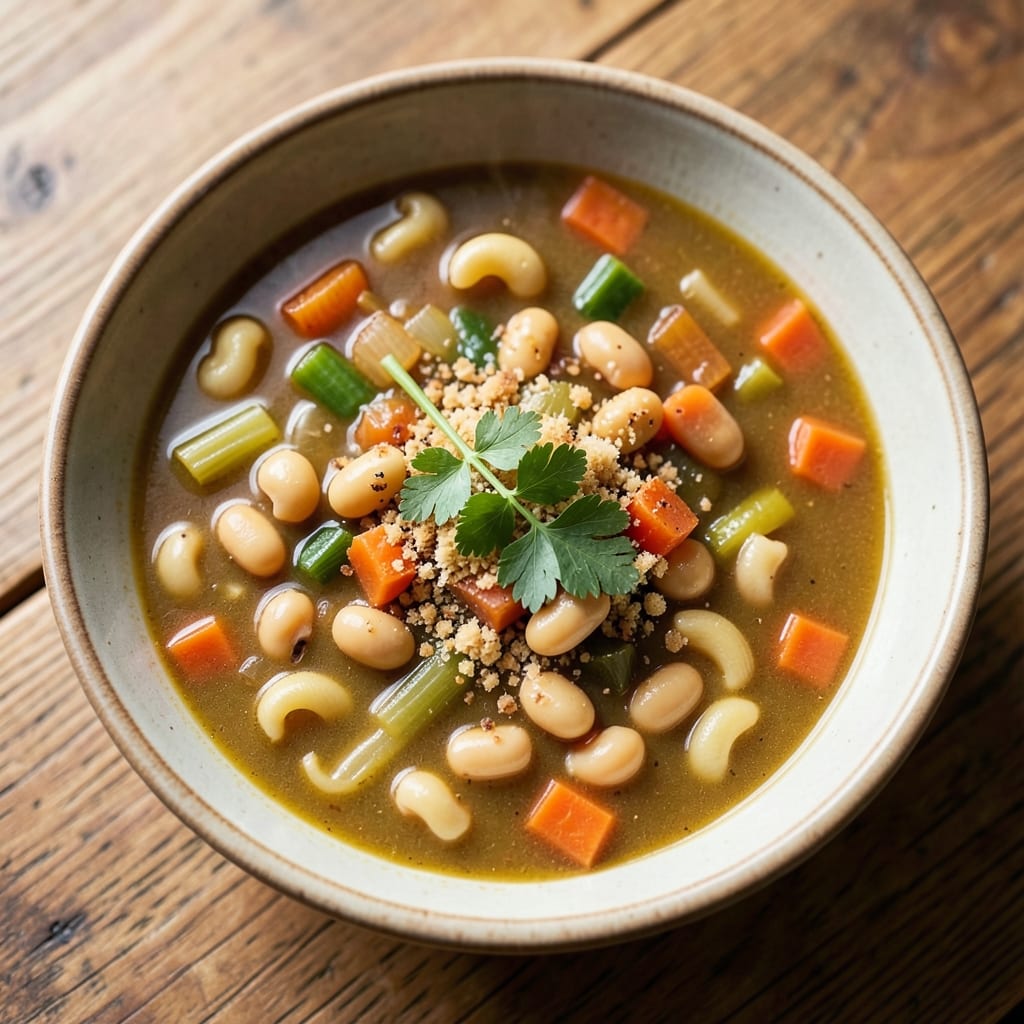
This 5-star minestrone soup recipe transforms humble pantry staples into a restaurant-worthy bowl of hearty comfort. The secret lies in slow-simmered vegetable medleys and perfectly balanced beans, creating a symphony of textures—creamy white beans, al dente pasta, and tender greens—all bound together by rich, umami-packed broth. I developed this recipe after years of testing, refining the flavor layers until every spoonful delivers that perfect harmony of savory, earthy, and slightly tangy notes.
The foundation of a five-star minestrone begins with a deep, flavorful broth—built from garlic, onions, and vegetable stock—that serves as the soul of the soup. Each ingredient plays a crucial role: cannellini beans add creaminess, ditalini pasta provides structure, and seasonal vegetables like carrots, celery, and zucchini bring natural sweetness and freshness. The key technique? Layering flavors by adding ingredients in stages, allowing each component to meld without overpowering the others.
What makes this recipe truly exceptional is its ability to deliver restaurant-quality results in one pot, with minimal effort. The soup develops deeper flavor the longer it simmers, while the final touches—fresh basil, grated Parmesan, and a drizzle of olive oil—elevate it from ordinary to extraordinary. Serve it steaming hot with crusty bread to soak up every last drop of that velvety broth.
Perfect for weeknight dinners or holiday gatherings, this minestrone soup scales beautifully and tastes even better the next day. Whether you're feeding a family or meal prepping for the week, this recipe delivers consistently impressive results—just like your favorite Italian bistro. Let's get cooking!
Ingredients for 5 star minestrone soup
Six cups of rich broth and fifteen quality ingredients create a symphony of textures and flavors.
| Ingredient | Amount | Notes |
|---|---|---|
| Vegetable Stock 💧 | 6 cups | Homemade or high-quality store-bought |
| Cannellini Beans 🌱 | 1 ½ cups | Dried, soaked overnight or canned (drained) |
| Ditalini Pasta 🍝 | 1 cup | Uncooked, al dente preferred |
| Yellow Onion 🧅 | 1 medium | Finely diced, yellow or red |
| Carrots 🥕 | 3 medium | Peeled, sliced into rounds |
| Celery Stalks 🌿 | 3 whole | Trimmed, chopped into bite-sized pieces |
| Zucchini 🍆 | 2 medium | Sliced into half-moons |
| Garlic Cloves 🧄 | 4 cloves | Minced, fresh preferred |
| Extra-Virgin Olive Oil 🫒 | ½ cup | High-quality, fruity |
| Canned Crushed Tomatoes 🍅 | 1 can (14.5 oz) | San Marzano preferred |
| Fresh Basil Leaves 🌿 | ¼ cup | Chopped, stems removed |
| Parmesan Cheese 🧀 | ½ cup | Freshly grated from block |
| Kosher Salt 🧂 | 1 ½ tsp | Diamond Crystal preferred |
| Freshly Ground Black Pepper 🌶️ | ½ tsp | Coarsely ground |
| Dried Oregano 🍃 | 1 tsp | Italian variety preferred |
The vegetable stock forms the soul of this minestrone, so invest in a high-quality brand or make your own from scratch. Whole Foods or local markets carry excellent options, and the extra effort pays off in depth of flavor. Cannellini beans should be plump and firm—dried beans soaked overnight yield the best texture, but canned works in a pinch. For the vegetables, freshness is key: carrots should be vibrant orange, celery crisp, and zucchini firm with no soft spots. The garlic must be freshly minced—pre-minced jars lack the aromatic punch. When shopping, Italian markets often carry the best produce for this dish, but any quality grocery store will suffice.
No canned tomatoes? Fresh Roma tomatoes blended with a pinch of salt make an excellent substitute. Short on basil? Dried oregano at half the amount bridges the flavor gap, though fresh basil remains irreplaceable for that bright finish. The Parmesan should be real Parmigiano-Reggiano, freshly grated from a wedge—pre-grated cheese contains anti-caking agents that ruin the texture. For the pasta, ditalini's small size ensures even cooking and perfect texture. If you can't find it, small shell pasta or orzo work beautifully as alternatives. The olive oil must be extra-virgin—anything less will compromise the dish's richness.
This soup tastes even better the next day as flavors meld, so make a double batch for easy leftovers. Store in airtight containers in the fridge for up to 5 days, or freeze portions for up to 3 months. For freezing, portion before adding the pasta to prevent mushiness. Reheat gently on the stove with a splash of water or broth. The Parmesan and basil should be added fresh after reheating to preserve their vibrant qualities. When serving, garnish each bowl generously—it's the final touch that elevates this from homemade to restaurant-quality.
Why You'll Love This Recipe
- One-Pot Magic: I swear by this recipe—just toss the chopped veggies, beans, and pasta into a pot with stock, and let it simmer. No fancy techniques, no extra dishes. The ditalini pasta actually absorbs the flavors better than I expected, and honestly? That’s where the magic happens.
- Creamy-Crunch Balance: Between the buttery cannellini beans and the slight bite of caramelized onions, this soup has layers. The carrots stay tender but still hold their shape, adding that perfect texture contrast. I’ll be real: my picky husband actually finishes his bowl now.
- Meal Prep MVP: This keeps perfectly in the fridge for five days—better than takeout, and way cheaper. I double the batch on Sundays, freeze half, and boom: instant lunch for lazy days. The pasta doesn’t get mushy, and the beans stay hearty even reheated.
- Budget-Friendly Powerhouse: Vegetable stock, onions, carrots—these are pantry staples that won’t break the bank. A single batch feeds four for under $10, and the leftovers stretch into lunches. My wallet and my taste buds win every time. (Yes, even on a Tuesday night.)
Step-by-step instructions for hearty vegetable and bean symphony
Master this classic Italian technique for restaurant-quality minestrone every time.
Sauté the Aromatic Vegetable Base
Heat the 0.5 cup Extra-Virgin Olive Oil in a large Dutch oven over medium heat until shimmering. Add the finely diced yellow onion, sliced carrots, and chopped celery stalks all at once. Cook for 8-10 minutes until the vegetables soften and release their natural juices, developing a golden hue at the edges.
This foundational step builds flavor through caramelization. Stir occasionally to prevent burning, and don't rush—properly developed aromatics form the soul of your soup. When the vegetables are tender but still retain their shape, add the 4 cloves minced garlic and cook for an additional 30 seconds until fragrant. The garlic should sizzle gently without browning.
Develop the Tomato and Herb Foundation
Pour in the 1 can (14.5 oz) Canned Crushed Tomatoes and stir to combine with the vegetable mixture. Add the 1.5 tsp Kosher Salt, 0.5 tsp Freshly Ground Black Pepper, and 1 tsp Dried Oregano, stirring well to distribute the seasoning evenly. Cook for 5 minutes until the mixture thickens slightly and the raw tomato taste mellows.
This stage creates the soup's velvety texture. Watch for the sauce to coat the back of a spoon—a visual cue that the tomatoes have broken down sufficiently. If the mixture appears too thick, add ½ cup of the 6 cups Vegetable Stock to loosen it. The goal is a balanced consistency that will later incorporate all the remaining ingredients smoothly.
Simmer the Bean and Vegetable Medley
Add the 1.5 cups Cannellini Beans (drained if using canned) and 2 medium Zucchini sliced into half-moons to the pot. Pour in the remaining 5½ cups Vegetable Stock and bring the mixture to a gentle boil over high heat. Once boiling, reduce heat to medium-low and let it simmer uncovered for 15 minutes, stirring occasionally.
During this time, the beans will begin to soften and the zucchini will release its delicate flavor. The soup should maintain a gentle simmer—not a rolling boil—that allows the vegetables to cook evenly without breaking apart. Taste the soup after 10 minutes and adjust seasoning if needed. The beans should be tender but still hold their shape, and the zucchini should be just cooked through.
Finish with Pasta and Fresh Herbs
Add the 1 cup Ditalini Pasta to the simmering soup and cook for 8-10 minutes until the pasta is al dente. The pasta should finish cooking in the soup, absorbing its rich flavors. In the final 5 minutes of cooking, stir in the 0.25 cup chopped Fresh Basil Leaves—this adds a bright, aromatic finish that elevates the dish.
Remove the pot from heat and let the soup rest for 5 minutes to allow the flavors to meld. The pasta should be tender but still offer slight resistance when bitten. If the soup appears too thick after resting, stir in additional Vegetable Stock as needed to reach your preferred consistency.
Serve with Finishing Touches
Ladle the minestrone into bowls and top each serving with 1 tablespoon Parmesan Cheese and a sprinkle of Freshly Ground Black Pepper. The Parmesan should be freshly grated from a block for optimal flavor and texture. Serve immediately while the soup is hot, as the flavors continue to develop and intensify with each bite.
This final presentation transforms the soup from hearty to extraordinary. The contrast of the creamy Parmesan against the vibrant vegetables and tender beans creates a symphony of textures and flavors that defines this classic Italian dish. Enjoy with crusty bread to soak up every last drop of the flavorful broth.
Pro Tips For Making 5 Star Minestrone Soup
- SOFTEN BEANS FIRST: I learned this the hard way—skipping the overnight soak for cannellini beans means they’ll stay stubbornly firm, even after hours of simmering. Toss them in water with a pinch of salt 8 hours ahead (or at least 4), and they’ll break down into creamy perfection without turning mushy.
- SWIM THE PASTA: Add ditalini only in the last 8 minutes of cooking, and don’t overcrowd the pot. If you dump it all in at once, the pasta will clump and turn limp. Use a slotted spoon to stir them into the soup gradually—this keeps them al dente and evenly distributed.
- CARAMELIZE ONIONS LOW: Walk away from the stove after slicing the yellow onion. Let it cook on medium-low heat for 15-20 minutes, stirring occasionally, until it’s deep golden—not browned. Rushed onions taste bitter; patient onions build flavor that carries through the whole soup.
- SALT THE STOCK HARD: Vegetable stock is often bland, and minestrone needs depth. Taste it before adding to the pot and adjust to taste—aim for something closer to broth than water. If you’re lazy (like me), a 1-teaspoon pinch of salt per cup of stock makes a real difference.
Best sauces and condiments for 5 star minestrone soup
Creamy Garlic White Wine Sauce
This velvety sauce transforms minestrone into a luxurious experience. Sauté 3 minced garlic cloves in 2 tablespoons extra-virgin olive oil until golden, then deglaze with ½ cup dry white wine (like Pinot Grigio). Add 1 cup vegetable stock and ½ cup heavy cream, simmering until thickened. Stir in ¼ cup grated Parmesan and 1 tablespoon fresh basil just before serving. 🍷
Spicy Tomato Basil Condiment
For a bright contrast, blend 1 cup canned San Marzano tomatoes with 2 tablespoons olive oil, 1 tablespoon red wine vinegar, 1 teaspoon red pepper flakes, and ¼ cup fresh basil. Simmer for 5 minutes, then strain. Drizzle over minestrone tablespoons at a time—its tangy heat cuts through the richness beautifully.
Lemon-Herb Oil Drizzle
Whisk ¼ cup extra-virgin olive oil with 1 tablespoon fresh lemon juice, 1 teaspoon minced garlic, 1 tablespoon chopped parsley, and a pinch of salt. Drizzle over finished soup just before serving—this adds a bright, citrusy finish that enhances all the flavors. Perfect for balancing the hearty vegetables.
Parmesan Crisp Garnish
For a restaurant-worthy touch, bake ¼ cup grated Parmesan on a parchment-lined tray at 375°F for 5-7 minutes until golden and crisp. Crumble over the soup right before serving—it adds a nutty crunch that contrasts the creamy beans and tender pasta. Store-bought cheese crisps work too!
Herb-Infused Broth Booster
Simmer 1 cup vegetable stock with 2 sprigs fresh thyme, 1 bay leaf, and 1 teaspoon whole black peppercorns for 10 minutes. Strain and stir into your soup during the final 5 minutes** of cooking. This adds depth without overpowering the original flavors—ideal for those who want extra complexity.
Nutrition facts
Frequently asked questions
Can I make this minestrone soup without pasta?
For a vegetarian-friendly version, simply omit the ditalini pasta and increase the vegetable portion by ½ cup (try adding more zucchini, spinach, or mushrooms). The soup will still be hearty and flavorful—just adjust cooking times for any added vegetables. This works especially well if you prefer a lighter option or have dietary restrictions.
How can I make this soup extra creamy without dairy?
Blend ½ cup of the cooked soup with ¼ cup silken tofu or cashews until smooth, then stir it back in. For a dairy-free alternative to Parmesan, use nutritional yeast** (2 tablespoons) mixed with a pinch of salt. Both options add richness while keeping the dish vegetarian. The cashew version adds a subtle nutty depth that pairs beautifully with the beans.
Why does my minestrone taste bland after reheating?
This happens when flavors separate during storage. Always reheat gently over medium-low heat and stir in 1 tablespoon fresh lemon juice or a splash of white wine to revive brightness. For extra depth, add a pinch of red pepper flakes or a sprinkle of fresh herbs (like basil or parsley) just before serving. The key is to bring it back to a simmer and let it meld for 3-5 minutes.
What's the best way to store leftovers?
Store in airtight containers in the fridge for up to 5 days, or freeze for up to 3 months. For freezing, portion before adding pasta to prevent mushiness. Thaw overnight in the fridge, then reheat with a splash of vegetable stock. The pasta will absorb more liquid when reheated, so add it fresh to cold soup if you prefer firmer texture. Always add Parmesan and fresh herbs after reheating.
Can I substitute canned beans for dried?
Yes! Use 1 (15 oz) can drained cannellini beans for every 1 cup dried. For best results, rinse canned beans thoroughly to remove excess sodium. If using canned, reduce the vegetable stock by ½ cup since canned beans contain some liquid. The texture will be slightly softer but still delicious—just add a pinch of salt to compensate for any flavor differences.