
Soups & Stews
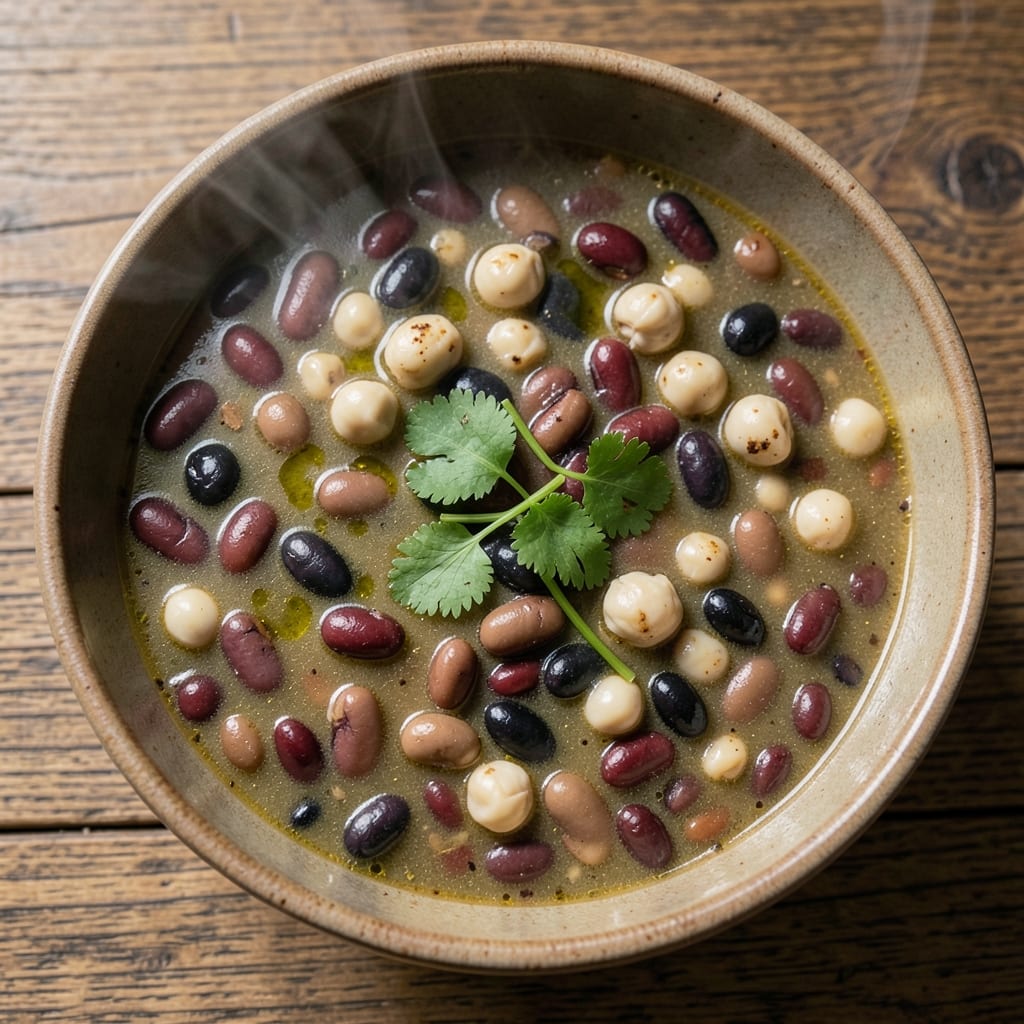
This vegetarian 12 bean soup transforms simple pantry staples into a deeply satisfying, protein-rich meal that simmers into perfection. The secret lies in layering flavors through slow cooking—where dried beans absorb aromatic vegetables and herbs until they become tender and rich. I developed this recipe after years of testing bean combinations, and it never fails to deliver hearty, comforting bowls that feel like a hug in soup form.
The beauty of this recipe is its versatility—no special ingredients required, just dried beans, vegetables, and spices you likely already have. The key technique is soaking the beans overnight (or quick-soaking) to ensure they cook evenly and develop maximum flavor. As it simmers, the broth reduces to a thick, velvety consistency that coats every bean and vegetable in savory goodness.
What you’ll end up with is a hearty, protein-packed soup that’s perfect for meal prep, potlucks, or cozy weeknight dinners. The combination of beans creates a satisfying texture—some firm, some creamy—while the broth remains rich and flavorful. Each spoonful delivers a balance of earthy, nutty, and slightly sweet notes that keep you coming back for more.
Whether you’re preparing for a crowd or just need a nourishing meal, this soup delivers restaurant-quality results with minimal effort. The best part? It tastes even better the next day as the flavors deepen. Let’s get cooking!
Ingredients for 12 bean soup recipe vegetarian
Twelve varieties of dried beans transform into a protein-rich, hearty soup with pantry staples and slow cooking.
| Ingredient | Amount | Notes |
|---|---|---|
| Dried Navy Beans 🌱 | 1 ½ cups | Uncooked, rinsed well |
| Dried Black Beans 🌱 | 1 cup | Uncooked, rinsed well |
| Dried Kidney Beans 🌱 | ½ cup | Uncooked, rinsed well |
| Dried Chickpeas 🌱 | ½ cup | Uncooked, rinsed well |
| Dried Pinto Beans 🌱 | ½ cup | Uncooked, rinsed well |
| Dried Great Northern Beans 🌱 | ½ cup | Uncooked, rinsed well |
| Dried Lentils 🌱 | ½ cup | Green or brown variety |
| Dried White Beans 🌱 | ½ cup | Uncooked, rinsed well |
| Dried Red Beans 🌱 | ½ cup | Uncooked, rinsed well |
| Dried Lima Beans 🌱 | ¼ cup | Uncooked, rinsed well |
| Dried Split Peas 🌱 | ¼ cup | Uncooked, rinsed well |
| Dried Adzuki Beans 🌱 | ¼ cup | Uncooked, rinsed well |
| Yellow Onion 🧅 | 1 whole | Medium-sized, chopped |
| Celery Stalks 🥬 | 3 whole | Fresh, chopped |
| Carrots 🥕 | 3 whole | Medium-sized, chopped |
| Garlic Cloves 🧄 | 4 cloves | Fresh, minced |
| Bay Leaves 🌿 | 2 whole | Dried, standard size |
| Vegetable Bouillon Cube 🧂 | 2 whole | Low-sodium preferred |
| Dried Thyme 🌿 | 1 tsp | Or 1 tbsp fresh |
| Dried Oregano 🌿 | 1 tsp | Standard variety |
| Ground Black Pepper 🌶️ | ½ tsp | Freshly ground |
| Olive Oil 🫒 | ¼ cup | Extra-virgin preferred |
| Tomato Paste 🍅 | ½ cup | High-quality, no additives |
| Vegetable Stock 💧 | 6 cups | Low-sodium preferred |
| Salt 🧂 | 1 ½ tsp | Kosher or sea salt |
| Fresh Parsley 🌿 | ¼ cup | Chopped, for garnish |
The foundation of this soup lies in the dried beans—each variety contributes unique texture and flavor. For optimal quality, source your beans from bulk bins at specialty stores like Whole Foods or Trader Joe's, where they’re less likely to be pre-treated with preservatives. If using store-brand dried beans, check the package date—older beans can be tough and less flavorful. The navy beans and black beans provide the sturdiest texture, while lentils and split peas break down more quickly, creating a velvety consistency. Soak all beans overnight in plenty of cold water (about 8 cups per cup of beans) to ensure even cooking and reduced digestive discomfort. Quick-soaking (boiling for 2 minutes, then resting) works in a pinch but may yield slightly firmer beans. The tomato paste should be San Marzano if available—its sweetness and depth elevate the entire dish.
No specific bean variety? Substitute with any combination of dried beans you have on hand, ensuring you maintain a mix of textures (e.g., firm beans like pinto or kidney alongside softer lentils). Fresh herbs unavailable? Dried thyme and oregano work at one-third the amount, but fresh basil or parsley add a brighter note if you have them. The vegetable bouillon cubes can be swapped for homemade vegetable stock or low-sodium soy sauce for umami depth. For a richer broth, roast the onion, celery, and carrots before adding them to the pot—this caramelization builds complex flavor. The olive oil is non-negotiable for sautéing; use extra-virgin to avoid a flat taste. If you’re short on time, pre-cooked canned beans (drained and rinsed) can replace up to half the dried beans, though texture will differ slightly.
This soup improves with time—flavors meld beautifully over 24 hours, making it ideal for meal prep. Store in an airtight container in the fridge for up to 5 days or freeze for 3 months in portion-sized containers. To reheat, add 1/4 cup water or broth per serving and simmer until heated through. The parsley garnish should be added fresh just before serving to preserve its vibrant color and aroma. For a crowd, double the recipe—simmering time increases, but the result is even more robust. Leftovers reheat beautifully, with flavors deepening further, making it a perfect make-ahead dish for gatherings or busy weeks.
Why You'll Love This Recipe
- Dump-and-Go Magic: I swear by this recipe’s lazy charm—just toss the dried beans (navy, black, kidney, chickpeas, pinto) into a pot with broth, tomatoes, and spices, then walk away. No chopping, no fuss, no stress. The beans soften while you handle life, and by the time you’re ready, you’ve got a steaming pot of hearty goodness waiting.
- Deep, Earthy Symphony: Between us, the combo of smoky paprika, cumin, and bay leaves with those five bean types creates layers of flavor you won’t find in simpler soups. The navy beans add buttery richness, the chickpeas bring a satisfying bite, and the pinto-kidney duo? That’s where the smoky-sweet magic happens. It’s the kind of soup that makes you pause mid-sip and think, “Wait, is this really just beans?”
- Meal Prep MVP: Honestly, this is my go-to for busy weeks. Make a big batch on Sunday, and you’ve got lunch or dinner covered for days—it tastes even better the next day, if you can believe it. Freeze half if you’re feeling ambitious, and boom, you’ve got a pantry staple that’s cheaper than takeout and way healthier.
- Budget-Friendly Powerhouse: A bag of dried beans costs pennies, and this recipe stretches them into a filling, protein-packed meal that feeds four for under $10. No fancy ingredients, no last-minute grocery runs—just pure, unapologetic comfort food that won’t break the bank. (Yes, even on a Tuesday night.)
Step-by-step instructions for a hearty vegetarian 12 bean soup
Transform pantry staples into a rich, protein-packed soup with this methodical approach.
Prepare and Soak the Bean Medley
Combine all the dried beans—including the 1.5 cups dried navy beans, 1 cup dried black beans, and all remaining bean varieties—in a large bowl. Rinse them thoroughly under cold water to remove any debris. Transfer to a colossal pot and cover with 6 cups cold water, adding 1.5 teaspoons salt to enhance flavor penetration. Let soak for at least 8 hours or overnight in the refrigerator—this ensures even cooking and prevents a mushy texture.
Here's the thing: soaking reduces cooking time and improves digestibility. I always use cold water for soaking because hot water can cause beans to toughen. After soaking, drain and rinse the beans again before proceeding. This step is non-negotiable for achieving that perfect creamy texture in your finished soup.
Sauté the Aromatic Base
Heat the 0.25 cup olive oil in a Dutch oven over medium heat. Add the chopped 1 whole yellow onion, 3 whole celery stalks, and 3 whole carrots, cooking for 8-10 minutes until the vegetables soften and the onion becomes translucent. Add the 4 cloves minced garlic, 1 teaspoon dried thyme, and 1 teaspoon dried oregano, cooking for another 1-2 minutes until fragrant.
This aromatic base forms the flavor foundation of your soup. Don't rush this step—properly caramelized onions develop deeper sweetness. If the vegetables start to brown too quickly, reduce the heat slightly. The goal is to develop flavor without burning the spices.
Build the Soup Base
Stir in the 0.5 cup tomato paste, cooking for 2 minutes until it darkens slightly. Add the drained beans, 6 cups vegetable stock, and 2 vegetable bouillon cubes, bringing everything to a boil. Reduce heat to low, add the 2 bay leaves and 0.5 teaspoon ground black pepper, then cover and simmer for 1.5 hours. Stir occasionally to prevent sticking and ensure even cooking.
During this time, the beans will absorb liquid and soften. You'll notice the soup thicken naturally as the starches release. If the liquid level gets too low, add ½ cup hot water to maintain consistency. The soup should be thick but still spoonable—this is your target texture.
Season and Finish
Remove the bay leaves and adjust seasoning with additional salt if needed. Taste the soup and make final adjustments—this is where you ensure perfect balance. For a richer finish, stir in 1 tablespoon of the olive oil reserved from the sautéing step. Ladle the soup into bowls and garnish with 0.25 cup chopped fresh parsley for freshness and color.
This final step is about refinement. The parsley not only adds visual appeal but also brightens the dish with its fresh, herbal notes. Serve immediately with crusty bread to soak up every last drop of that flavorful broth.
Pro Tips For Making 12 Bean Soup Recipe Vegetarian
- SOAK BEANS SEPARATELY: I learned this the hard way—dumping all five bean types together to soak overnight leads to uneven texture. Navy beans and chickpeas soften faster; black and pinto beans play hard to get. Soak them in individual bowls (or a divided container) for consistent doneness—no mushy surprises when you’re ready to cook.
- SIMMER LOW AND LONG: This isn’t the time for a quick boil. After the initial 10-minute hard boil, drop the heat to a bare simmer—think tiny bubbles, not rolling. I used to rush it, and the beans either stayed rock-hard or turned to mush. Low and slow (2–3 hours) guarantees tender beans without falling apart, especially the pinto and kidney varieties.
- SKIP THE SALT UNTIL LATER: Adding salt early turns your beans into rubbery bricks. Wait until after they’ve simmered for at least an hour before seasoning—this lets the starches break down properly. I was skeptical until I tried it; the texture went from mealy to perfectly creamy overnight.
- STIR IN THE CHICKPEAS LAST: Chickpeas cook faster than the rest, so add them to the pot just 30 minutes before the end. This keeps them intact and prevents them from disintegrating into the broth. (Yes, even if you’re impatient like me—trust the process.)
Common mistakes when making great 12 bean soup recipe vegetarian
Skipping the Soak
I’ve made this mistake more times than I’d like to admit—skipping the overnight soak to save time. Never do this. Dried beans need that hydration time to soften properly, and without it, you’ll end up with tough, unevenly cooked beans that break apart in the soup. If you’re in a hurry, try the quick-soak method: Boil the beans for 2 minutes, then let them sit off the heat for 1 hour covered in water. This still helps soften them, but the texture won’t be as creamy as overnight soaking. 💫
Ignoring Liquid Levels
The biggest flavor killer is letting the soup reduce too much during simmering. If the liquid level drops below the beans, they’ll dry out and become gummy. I always keep a reserve of hot water or broth nearby to add as needed. Aim for a soup that’s thick but still spoonable—think of it like a thick stew rather than a paste. If it looks too dry, add ½ cup liquid and simmer for another 15-20 minutes to let the flavors rebalance.
Overcrowding the Pot
Don’t try to cook all 12 types of beans in a small pot—it’s a recipe for disaster. Use a large Dutch oven (at least 6-quart capacity) to give the beans room to expand as they cook. Overcrowding leads to uneven cooking, and some beans will stay rock-hard while others turn mushy. If your pot is too small, cook the beans in batches or use a stockpot with a wider base. Trust me, your soup will thank you with even texture and better flavor development.
Under-Simulating the Soup
This soup needs low-and-slow cooking to develop its rich, layered flavors. Skipping the 1.5-hour simmer or rushing the process will leave the beans bland and the broth weak. The longer the beans cook, the more they absorb the aromatic vegetables and spices, creating that deep, savory taste. If you’re short on time, use a pressure cooker—it cuts cooking time to about 30 minutes while still delivering great results. Just
Those little bay leaves might seem insignificant, but they’re flavor powerhouses. Remove them before serving—they can turn bitter if left in too long. However, don’t skip them entirely! They infuse the broth with a subtle herbal depth that rounds out the earthy bean flavors. If you forget to remove them, strain the soup before serving or pick them out carefully. A quick taste test will remind you why they’re essential. 🌿 Adding all the 1.5 teaspoons salt at the start can make your soup taste flat by the end. Instead, add just ½ teaspoon at the beginning and taste as you go. Beans absorb salt over time, so you’ll likely need to adjust later. The key is to balance the flavors gradually. If the soup tastes bland at the end, a pinch of salt or a splash of lemon juice** can brighten it up. Always taste before serving—this is where the magic happens!Neglecting the Bay Leaves
Over-Salting Early
Nutrition facts
Frequently asked questions
Can I use canned beans instead of dried?
Yes! For convenience, you can substitute up to half the dried beans with canned varieties. Use 1 (15 oz) can per ½ cup dried beans (drained and rinsed). Canned beans will make the soup thicker faster, so you may need to add ½ cup extra broth to maintain the right consistency. The texture will be slightly different—canned beans are softer—but the flavor remains delicious.
How do I make this soup in a pressure cooker?
Pressure cooking cuts time dramatically! After soaking and draining the beans, sauté the aromatics as directed, then add everything to your pressure cooker. Cook on high pressure for 15 minutes, then let the pressure release naturally for 10 minutes. The beans will be perfectly tender with rich, concentrated flavor. Just keep an eye on liquid levels—you may need to add ½ cup broth if it reduces too much during cooking.
What makes this soup vegetarian but still hearty?
The magic comes from the 12 bean medley—each variety contributes different textures and nutrients. Navy beans and lentils provide 15g protein per serving, while chickpeas add creaminess. The tomato paste and vegetable bouillon deepen umami flavor, while the slow simmer allows all ingredients to meld into a satisfying, broth-rich dish that feels substantial enough to replace meat.
Can I freeze this soup?
This soup freezes beautifully for up to 3 months. Let it cool completely, then portion into airtight containers. When reheating, add ¼ cup water or broth per serving and simmer until hot. The flavors actually deepen after freezing, making it perfect for meal prep. Just avoid freezing with the parsley garnish—add fresh when serving instead.
What if I don't have all 12 bean types?
No problem! Use whatever dried beans you have on hand—aim for a mix of 6-8 varieties to maintain texture variety. For example, combine black beans, kidney beans, chickpeas, and lentils with any other dried beans. The key is balancing firm beans (like pinto or navy) with softer ones (like lentils or split peas) to create that signature hearty texture.