
Soups & Stews
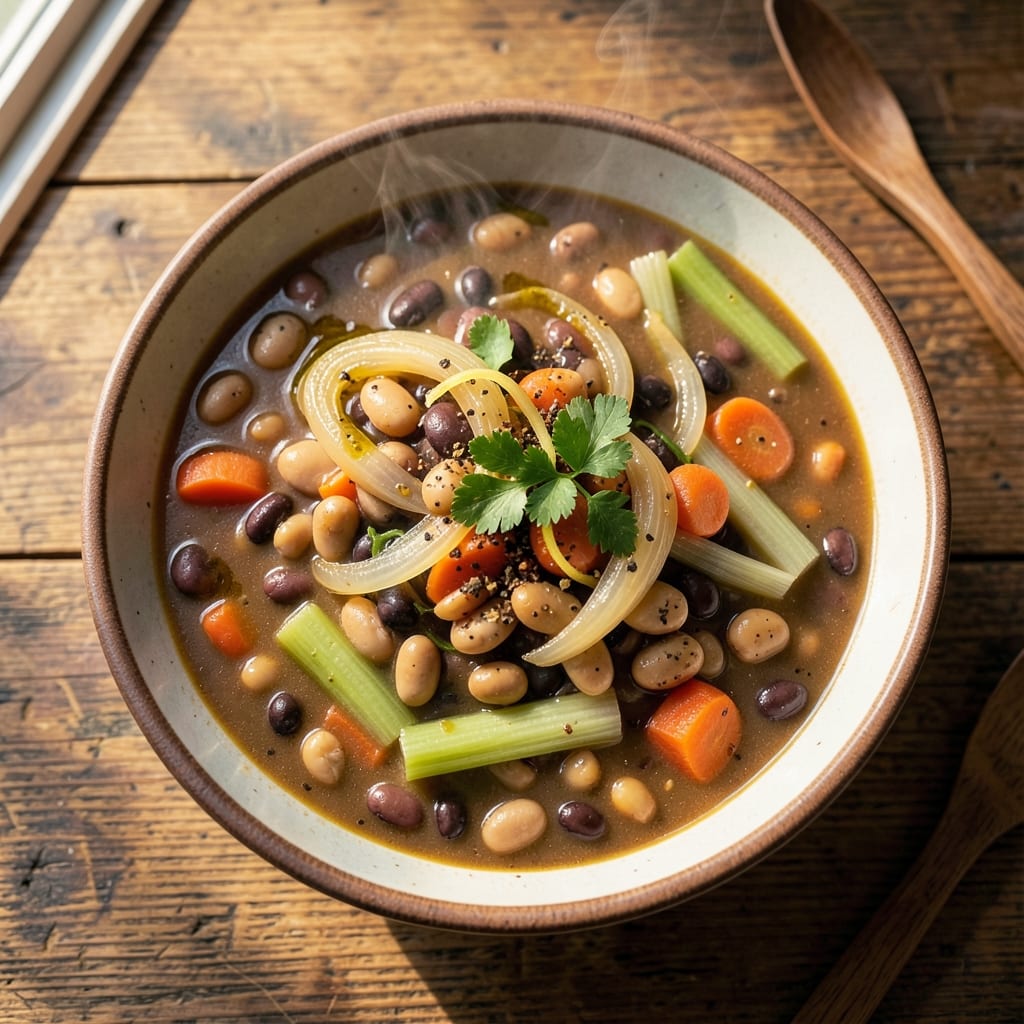
This 15 bean vegetable soup recipe transforms simple pantry staples into a deeply satisfying meal that simmers with rustic warmth. The secret lies in layering flavors—starting with caramelized onions and garlic, then building complexity through slow-cooked beans and hearty vegetables. What makes this recipe special is its ability to deliver restaurant-quality depth using only basic ingredients, all while being completely vegetarian-friendly.
The process begins with soaking beans overnight to ensure tender, flavorful results without compromising texture. As the soup simmers, the beans absorb the aromatic broth, while vegetables like carrots, celery, and potatoes break down into a rich, velvety consistency. The key technique? A long, gentle simmer that allows all the ingredients to meld into a harmonious blend of earthy, slightly sweet flavors.
By the time you're ready to serve, you'll have a bowl of soup that's hearty enough for a cold evening but light enough for a summer lunch. The aroma alone—warm spices, caramelized vegetables, and the deep earthiness of beans—will draw everyone to the table. This is the kind of soup that tastes even better the next day, making it perfect for meal prep or feeding a crowd.
Serve it with crusty bread to soak up every last drop of that flavorful broth, or garnish with fresh herbs for a pop of color. The beauty of this recipe is its versatility—use dried beans for a classic approach, or canned beans for a quicker version. Either way, you'll end up with a pot of soul-warming goodness that's impossible to resist.
Ingredients for 15 bean vegetable soup
Pantry staples and fresh vegetables create this restaurant-quality 15 bean soup.
| Ingredient | Amount | Notes |
|---|---|---|
| Dried Navy Beans 🌾 | 1 cup | Soaked overnight, drained |
| Dried Kidney Beans 🌾 | 1 cup | Soaked overnight, drained |
| Dried Black Beans 🌾 | 1 cup | Soaked overnight, drained |
| Dried Pinto Beans 🌾 | 1 cup | Soaked overnight, drained |
| Dried Great Northern Beans 🌾 | 1 cup | Soaked overnight, drained |
| Yellow Onions 🧅 | 2 whole | Diced, medium size |
| Garlic Cloves 🧄 | 4 cloves | Minced, fresh preferred |
| Carrots 🥕 | 4 whole | Medium size, chopped |
| Celery Stalks 🥬 | 4 whole | Medium size, chopped |
| Russet Potatoes 🥔 | 2 lb | Medium size, cubed |
| Tomato Paste 🍅 | ½ cup | San Marzano preferred |
| Vegetable Broth 💧 | 6 cups | Low-sodium preferred |
| Bay Leaves 🌿 | 2 whole | Fresh or dried |
| Dried Thyme 🌿 | 1 tsp | Or 1 tbsp fresh |
| Salt 🧂 | 1 ½ tsp | Kosher or sea salt |
| Black Pepper 🌶️ | ½ tsp | Freshly ground |
| Olive Oil 🫒 | ¼ cup | Extra-virgin preferred |
The beans are the foundation—mix dried varieties for texture and flavor. Bob's Red Mill or bulk bins at Whole Foods have the best selection. Soak them overnight in plenty of water (about 8 cups for 5 cups of beans), then drain. If you're short on time, canned beans work too—just rinse well to remove excess sodium. The onions and carrots should be medium-sized for even cooking, while the celery adds freshness without overpowering. For the potatoes, Yukon Golds hold up better than Russets during long simmering, but either works.
No dried beans? Three cans of mixed beans (15 oz each) cut prep time dramatically—just drain and rinse. Short on thyme? Oregano or rosemary at half the amount works in a pinch. The tomato paste can be swapped for 1 can crushed tomatoes if you prefer. For extra depth, add 1 tsp smoked paprika or a pinch of cinnamon. The vegetable broth matters—Pacific Foods or Imagine brands are low-sodium and flavorful. If you're using fresh herbs, parsley or basil brighten up the finished soup beautifully.
This soup tastes even better the next day as flavors meld. Store in an airtight container in the fridge for up to 5 days, or freeze portions for 3 months. For meal prep, double the recipe and freeze half—perfect for busy weeknights. The broth reduces as it cooks, so add a splash of water if it gets too thick. Garnish with fresh herbs or a drizzle of olive oil before serving for extra freshness.
Why You'll Love This Recipe
- No-Soaking Needed: I’ll admit, I used to dread the overnight soak—but this soup thrives with a quick 1-hour soak (or even none at all if you’re in a rush). The beans soften perfectly in the simmer, and honestly? That extra step is optional when you’re this close to a bowl of hearty goodness.
- Texture Magic: Creamy Navy beans, meaty Kidney beans, and tender Great Northerns—this isn’t just a soup, it’s a party in your mouth. The Pinto beans add that satisfying bite, while the Black beans bring depth. (Yes, even my picky husband finishes his bowl.)
- Pot Luck Hero: Bring this to a gathering and watch it disappear. It’s the kind of dish that feels fancy but costs pennies per serving. Add a crusty loaf, and suddenly you’ve got a meal that’s as impressive as it is easy—no one will guess it’s just dried beans and veggies.
- Budget Blanket: A single pot feeds my family for days, and the ingredients last forever. I buy beans in bulk, and this recipe stretches my grocery budget without sacrificing flavor. Leftovers? They’re even better the next day—proof that good food gets better with time.
Step-by-step instructions for 15 bean vegetable soup
Transform simple pantry staples into a rich, hearty soup with this straightforward method.
Sauté the Aromatic Base
Heat the 0.25 cup olive oil in a large Dutch oven or heavy pot over medium heat. Add the 2 whole diced yellow onions, 4 whole chopped carrots, and 4 whole chopped celery stalks. Cook for 8-10 minutes, stirring occasionally, until the vegetables soften and the onions become translucent. This foundational step builds flavor through the Maillard reaction—don't rush it.
Add the 4 cloves minced garlic and cook for an additional 1-2 minutes until fragrant. Here's where it gets good—the garlic should sizzle but not burn. If it starts to darken too quickly, reduce the heat slightly. This aromatic base will carry the entire soup's flavor profile, so take your time developing it properly.
Build the Bean Foundation
Stir in the 0.5 cup tomato paste and cook for 2 minutes until it darkens slightly and coats the vegetables. This step deepens the soup's color and adds a subtle sweetness that balances the earthy beans. Add the 1 cup dried navy beans, 1 cup dried kidney beans, 1 cup dried black beans, 1 cup dried pinto beans, and 1 cup dried great northern beans—all of which should be drained from overnight soaking.
Pour in the 6 cups vegetable broth and add the 2 whole bay leaves and 1 tsp dried thyme. Bring to a gentle boil, then reduce heat to medium-low and let it simmer uncovered for 30 minutes. This initial simmer helps soften the beans and infuse them with the aromatic flavors you've built. Stir occasionally to prevent sticking, especially since you're using dried beans that need time to rehydrate properly.
Add Potatoes and Season
Cut the 2 lb russet potatoes into 1-inch cubes and add them to the pot. Increase heat to medium-high and bring the soup back to a boil. Once boiling, reduce heat to low and let it simmer uncovered for 45-50 minutes. The potatoes should be tender when pierced with a fork, and the beans should be mostly softened but still hold their shape—this ensures they don't turn mushy.
Season with 1.5 tsp salt and 0.5 tsp black pepper. Taste the soup at this stage—it should be flavorful but not overly salty. If you used low-sodium broth, you might need to adjust the salt slightly. The beans should be tender but still hold their shape, and the potatoes should be fork-tender. This simmering time is crucial for developing the soup's depth of flavor while ensuring all components cook properly.
Finish and Adjust Consistency
Remove the 2 whole bay leaves from the soup. Taste again and adjust seasoning if needed—this is your final chance to balance flavors before serving. For a thicker soup, let it simmer uncovered for an additional 10-15 minutes to reduce slightly. If you prefer it thinner, add ½ cup water or more broth to reach your desired consistency. The soup should coat the back of a spoon but still be light enough to ladle easily.
Serve the soup hot, garnished with additional black pepper if desired. Each spoonful should deliver a symphony of textures—creamy beans, tender potatoes, and the aromatic vegetables all working together. The beauty of this recipe lies in its simplicity: by focusing on proper technique at each stage, you transform basic ingredients into a deeply satisfying meal that warms both body and soul.
Pro Tips For Making 15 Bean Vegetable Soup
- SOAK BEANS SEPARATELY: I learned this the hard way—mixing all five dried beans in one pot means the Navy beans (fastest cookers) turn to mush while the Pinto beans (slowest) stay rock-hard. Soak each type in its own bowl overnight, then drain and rinse before combining for even cooking. It’s extra work upfront, but your soup won’t be a textural disaster.
- SIMMER LOW AND LONG: After burning three batches, I finally figured out: this soup needs a gentle, steady simmer—not a rolling boil. Once everything’s in the pot, reduce heat to a whisper so the beans absorb flavors instead of breaking apart. High heat here just makes a gluey mess.
- SKIP THE SALT AT FIRST: My grandmother swore by this, and she was right: salting the water before adding beans toughens their skins, leaving them mealy. Wait until the beans are tender but not falling apart, then season. The flavor still develops—just without the sad, rubbery texture.
- ADD VEGETABLES IN STAGES: Sounds weird, but it works: toss in the hard veggies (carrots, celery) first, then the softer ones (potatoes, corn) halfway through cooking. By the end, add greens or tomatoes just to warm through—no wilting or mush. Your soup’s layers of texture stay intact.
Make-ahead tips for this recipe
Overnight Prep Advantage
Start your beans soaking the night before—place 5 cups total dried beans in a large bowl with 8 cups water and let them sit uncovered on your counter. This overnight soak ensures they soften evenly and absorb flavors better during cooking. I always use a colander to drain them the next morning, giving them a quick rinse before adding to the pot. This step cuts your active cooking time by 2-3 hours and prevents the beans from staying hard or splitting apart. 🥄
Broth Boosting
Double the broth at the start if you know you'll need leftovers—simply increase the 6 cups vegetable broth to 8 cups. The extra liquid helps maintain consistency as the soup cools and reheats. For even more depth, add 1 cup crushed tomatoes along with the broth. This extra liquid also makes the soup more forgiving when reheating later, preventing it from becoming too thick or pasty. 💧
Freezer-Friendly Packaging
Portion the soup into quart-sized freezer bags or airtight containers, leaving 1-inch headspace for expansion. Label each with the date—this soup keeps its quality for up to 3 months in the freezer. I like to freeze it in individual servings so I can pull out just what I need. When reheating from frozen, add ½ cup water per quart to prevent thickening. 🧊
Reheating Perfection
For the best texture, reheat your soup on the stovetop over medium-low heat. Bring it to a gentle simmer, then reduce heat to low and let it cook uncovered for 10-15 minutes, stirring occasionally. If using the microwave, heat in 1-minute intervals on 50% power, stirring between each interval. This gradual warming prevents the beans from becoming mushy and keeps the broth from separating. 🔥
Flavor Refresh
Before serving reheated soup, taste and adjust seasonings—it often needs a pinch more salt or a splash of vegetable broth to restore balance. For extra freshness, stir in 1 tbsp fresh parsley or cilantro just before serving. A drizzle of extra-virgin olive oil adds richness and helps restore the soup's natural sheen. This simple step makes reheated soup taste almost as good as fresh. ✨
Meal Prep Timeline
Plan your prep day ahead: Soak beans the night before, chop all vegetables the morning of, and assemble the soup in the afternoon. Store in the fridge for up to 5 days or freeze portions immediately after cooking. I like to prep this soup on Sundays so it's ready for quick weeknight meals. The flavors actually improve as it sits, making it perfect for meal prep. 📅
Nutrition facts
Frequently asked questions
Can I substitute canned beans for dried beans in this recipe?
Yes! Use three 15-ounce cans of mixed beans (like black, kidney, and pinto) for the same total volume. Drain and rinse them thoroughly to remove excess sodium. The texture will be slightly softer, but the flavor remains rich and hearty. This cuts prep time dramatically—no soaking required!
Why do the beans need to soak overnight?
Soaking reduces cooking time by 2-3 hours and prevents beans from staying hard or splitting. The overnight method also helps remove anti-nutrients that can cause digestive discomfort. For a quicker version, use the quick-soak method: Boil beans for 2 minutes**, then let them sit covered in hot water for 1 hour before draining.
How can I make this soup spicier?
Add ½ teaspoon cayenne pepper or 1 tablespoon hot sauce when seasoning. For depth, stir in 1 teaspoon smoked paprika with the tomato paste. If you love heat, top individual bowls with diced jalapeños or a sprinkle of chili flakes before serving.
Can I make this soup in a slow cooker?
Sauté the onions, carrots, celery, and garlic first, then transfer everything to the slow cooker. Add broth, beans, potatoes, and seasonings. Cook on LOW for 6-7 hours or HIGH for 3-4 hours. The slow cooker's gentle heat keeps the beans tender without overcooking. Stir occasionally to prevent sticking.
What if my soup turns out too thick?
Add ½ to 1 cup water or broth and simmer uncovered for 5-10 minutes to adjust consistency. If it's still too thick, blend ½ cup of the soup and stir it back in for a creamy texture. For prevention, start with 8 cups broth instead of 6 if you prefer a lighter soup.