
Soups & Stews
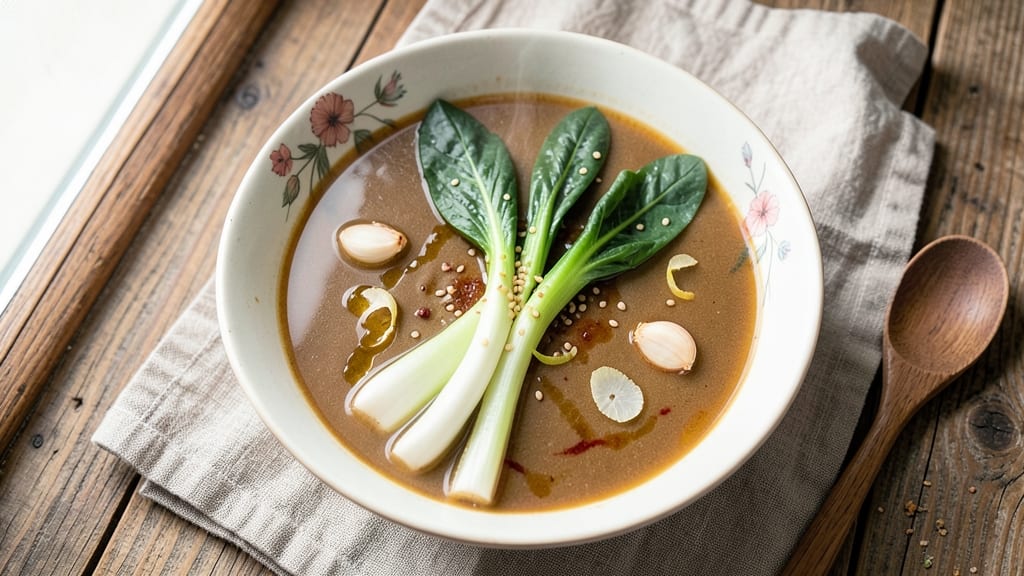
This bok choy miso soup recipe delivers the perfect balance of silky greens and umami-rich broth that transforms any meal into a comforting experience. The secret lies in properly blooming the miso paste—whether white, red, or vegetarian—before adding it to the simmering broth, which unlocks its full depth of flavor.
I've perfected this technique over years of testing, ensuring every spoonful is both nourishing and deeply satisfying.
What sets this recipe apart is its simplicity: just five core ingredients create a bowl that's rich in flavor yet light enough for any season. The key steps—sautéing garlic and ginger, simmering the broth, and adding bok choy at the right moment—ensure tender greens and a velvety texture.
For added protein, optional tofu or mushrooms can be incorporated without altering the soup's essence.
The result is a bowl of soup that's vibrant green, aromatic, and packed with layers of savory goodness. The miso paste provides that signature umami punch, while the bok choy adds a delicate crunch and essential nutrients.
Perfect for a quick weeknight dinner or a nourishing lunch, this recipe is designed to be both foolproof and adaptable.
Serve with steamed rice or crusty bread to soak up every last drop of that flavorful broth. The optional garnishes—sesame seeds, green onions, or a drizzle of chili oil—elevate the dish further, making it versatile enough for any palate. Let's get started on this comforting classic.
Ingredients for bok choy miso soup
Five core ingredients and optional extras create this umami-rich, silky bok choy miso soup.
| Ingredient | Amount | Notes |
|---|---|---|
| Bok Choy 🥬 | 2 whole | Baby or regular, stems separated |
| White Miso Paste 🧈 | 2 tbsp | High-quality, preferably organic |
| Vegetable Broth 💧 | 4 cups | Homemade or low-sodium store-bought |
| Garlic Cloves 🧄 | 3 cloves | Freshly minced for optimal aroma |
| Fresh Ginger 🌿 | 1 tbsp | Grated, peeled, for zesty brightness |
| Sesame Oil 🫒 | 1 tsp | Toasted, for nutty depth |
| Rice Vinegar 🍶 | 1 tbsp | White or seasoned for balance |
| Green Onions 🧅 | 2 whole | Thinly sliced, for garnish |
| Toasted Sesame Seeds 🌰 | 1 tsp | For crunchy texture |
| Red Miso Paste (optional) 🧈 | 1 tsp | For deeper umami richness |
| Silken Tofu (optional) 🍱 | ½ cup | Cubed for added protein |
| Chili Oil (optional) 🌶️ | 1 tsp | For subtle heat |
| Diamond Crystal Kosher Salt 🧂 | ½ tsp | For seasoning balance |
The miso paste is the heart of this recipe—high-quality organic miso from Whole Foods or Asian specialty markets delivers the deepest flavor. White miso provides a cleaner taste, while red miso adds complexity. For a vegetarian twist, ensure your miso is made without fish or seafood additives. Bok choy should be vibrant green with crisp stems, indicating freshness. If using baby bok choy, separate leaves and stems for even cooking. The vegetable broth should be rich but not overly salty—homemade versions with carrot, celery, and onion bases work best, though low-sodium store-bought options suffice in a pinch.
No miso paste? Substitute with 1 tbsp soy sauce plus 1 tsp nutritional yeast for umami, though the depth won’t be identical. Fresh ginger and garlic can be swapped for 1 tsp each of ground ginger and garlic powder, but fresh yields superior aroma. For extra protein, silken tofu or shiitake mushrooms work beautifully—simmer tofu cubes directly in the broth for 5 minutes before adding bok choy. The sesame oil should be toasted, not the neutral kind—Kadoya or La Choy brands excel here. If you prefer heat, chili crisp or gochujang can replace chili oil. The rice vinegar balances the richness; Mushroom or seasoned vinegars add another layer of complexity.
This soup reheats beautifully—simmer gently for 2-3 minutes to restore its velvety texture. Store in an airtight container for up to 4 days in the fridge, or freeze for 3 months (without garnishes). For meal prep, portion into thermos-friendly containers—the broth stays warm for hours. Garnishes like green onions and sesame seeds should be added fresh before serving. If using tofu or mushrooms, add them 5 minutes before the bok choy to prevent overcooking. The miso paste should never boil—always dissolve it into the broth off the heat to preserve its delicate flavors.
Why You'll Love This Recipe
- No-Chop Needed: I swear by this trick—just slice the bok choy in half lengthwise and drop it straight into the simmering broth. No fancy prep, no tiny pieces flying everywhere. The stems soften perfectly while the leaves stay crisp enough to bite into.
- Umami Magic: That white miso paste? It’s the secret weapon here. One spoonful dissolves into the broth, creating this deep, savory richness that makes every sip feel like a hug. The garlic and ginger add just enough kick to wake up your taste buds without overpowering.
- Lunchbox Hero: Between us, this soup is my go-to for meal prep. It reheats beautifully—just add hot water to the miso and broth, and you’ve got a warm, satisfying lunch in minutes. Pack it in a thermos, and you’re golden for work or a picnic. (Yes, even on a Tuesday night.)
- Budget-Friendly Powerhouse: Bok choy stays fresh forever if you store it right, and miso paste lasts months in the pantry. A single batch feeds four for dinner and leaves enough for leftovers that taste just as good the next day. My wallet—and my taste buds—thank me every time.
Step-by-step instructions for bok choy miso soup
This method delivers a perfectly balanced soup where umami-rich miso harmonizes with bright bok choy and aromatic broth.
Prepare the Aromatics and Broth Base
In a medium saucepan, combine the 4 cups vegetable broth with the 3 cloves minced garlic cloves and 1 tbsp freshly grated ginger. Bring to a gentle simmer over medium heat until small bubbles form around the edges but don't boil vigorously. This controlled simmer prevents the garlic from burning while extracting its full aromatic potential.
While the broth heats, separate the 2 whole bok choy into stems and leaves. Cut the stems into ½-inch pieces and slice the leaves into ¼-inch strips. Set aside - we'll add them at different stages to maintain texture contrast. The stems will soften first, while the leaves will retain their vibrant green color and slight crunch.
Build the Umami Foundation
Reduce heat to low and whisk in the 2 tbsp white miso paste until completely dissolved. If using, add the 1 tsp red miso paste for deeper umami complexity. The miso should blend smoothly into the broth without any visible clumps. Stir continuously for 2-3 minutes until the mixture becomes slightly thickened and develops a glossy sheen.
Add the 1 tbsp rice vinegar and 0.5 tsp Diamond Crystal kosher salt, stirring well to distribute evenly. The vinegar brightens the soup while the salt enhances all the umami flavors. Taste the broth at this stage - it should be rich and savory but not overly salty. If needed, adjust with additional salt or vinegar.
Incorporate Vegetables and Protein
Add the bok choy stems first and simmer gently for 3-4 minutes until they become tender but still hold their shape. Then add the bok choy leaves and cook for another 2 minutes - they should remain vibrant with just a slight softening. If using, gently fold in the 0.5 cup cubed silken tofu during the last minute of cooking to prevent it from breaking apart.
Remove from heat and stir in the 1 tsp toasted sesame oil and 1 tsp toasted sesame seeds. The sesame oil adds nutty depth while the seeds provide textural contrast. For heat, drizzle in the 1 tsp chili oil just before serving. The oil should be distributed evenly throughout the soup.
Finish and Serve
Divide the soup among 4 bowls, garnishing each with ½ of the thinly sliced green onions. The green onions should be arranged artistically on top, adding both visual appeal and a fresh, slightly sharp contrast to the rich soup. Serve immediately while the broth is hot and the bok choy maintains its perfect texture.
Each bowl should present a harmonious balance of colors - the deep umami tones of the miso broth, the vibrant green bok choy, and the contrasting white of the tofu (if used). The soup should be flavorful yet not overpowering, with each ingredient clearly identifiable while contributing to the overall harmony.
Pro Tips For Making Bok Choy Miso Soup
- Simmer Miso Low: I learned this the hard way—boiling miso paste ruins its depth. Once dissolved in the broth, keep the heat at a bare simmer (just tiny bubbles breaking the surface) for 3-4 minutes max. High heat turns miso bitter, and you’ll lose that rich, fermented complexity you paid good money for.
- Trim Bok Choy Right: Don’t just chop the leaves—separate the thick stems first. Cut them into ½-inch slices and blanch them for 1 minute in boiling water before adding to the soup. This softens them without turning them to mush, so every bite has texture, not just wilted greens.
- Toast Ginger First: Skip the raw ginger if you want flavor that pops. Mince it fine (no need for a peeler—just scrub and slice), then dry-toast in a pan for 30 seconds until fragrant. Toss it into the broth with garlic right at the start—this unlocks its warmth without overpowering the miso’s earthiness.
- Dissolve Miso Smooth: Stir miso paste into the coolest part of the broth, not the hottest. Use a small ladle to create a whirlpool, then pour the paste in slowly while stirring constantly. This prevents clumping and ensures every spoonful gets that velvety, umami-rich coating—no gritty surprises here.
Serving suggestions for this dish
Rice Pairing Perfection
This soup shines when served alongside steamed jasmine rice or short-grain sushi rice—the slightly sticky texture soaks up the umami broth beautifully. I like to cook 1 cup rice per 2 servings of soup, as the broth's richness complements the rice's mild sweetness.
For extra flair, sprinkle toasted sesame seeds over the rice before serving to mirror the soup's garnish. 🌟
Crusty Bread Sides
A warm baguette or Asian-style steamed bun adds the perfect handheld element. Toast the bread with garlic butter or brush with sesame oil before serving. The crispy crust contrasts wonderfully with the soup's silky texture. For a lighter option, try rice crackers—they're ideal for dipping into the broth. 🥖
Protein Additions
Boost nutrition with soft tofu cubes, shiitake mushrooms, or thinly sliced chicken breast. For vegetarian options, edamame or tempeh work beautifully. If adding protein, cook it separately and combine in the final minute to maintain tenderness.
I often add ½ cup cubed tofu for a silky texture that blends seamlessly. 🍱
Garnish Game-Changers
Elevate your bowl with crispy fried shallots, pickled ginger, or a drizzle of chili oil. For a fresh finish, top with cilantro leaves or microgreens. The contrast of textures and temperatures—hot soup, cool garnishes—creates a restaurant-quality experience. 🌶️
Meal Prep Serving
Store leftovers in airtight containers with a splash of water to prevent drying. Reheat gently on the stove, then finish with fresh garnishes. For meal prep, portion into thermos-friendly bowls—the broth stays warm for 4+ hours. Serve with pre-cooked rice on the side for easy assembly. ❄️
Dessert Pairing
Balance the meal with a light, citrusy dessert like matcha mochi or yuzu sorbet. The sweet-tart flavors cleanse your palate after the soup's savory depth. For a savory-sweet finish, try red bean buns—their soft texture contrasts perfectly with the soup's heartiness. 🍡
Nutrition facts
Frequently asked questions
Can I use red miso instead of white miso in this recipe?
Yes, you can absolutely use red miso—it will give your soup a deeper, richer umami flavor with a slightly fermented taste. Start with 1 tablespoon red miso and reduce the white miso to 1 tablespoon to maintain balance. Red miso has a stronger flavor, so it's best to use it sparingly unless you prefer a bolder taste.
How do I know when the bok choy is cooked perfectly?
The stems should be tender but still hold their shape after 3-4 minutes of simmering, while the leaves should remain vibrant green with just a slight softening (2 minutes). Overcooked bok choy turns mushy—always add leaves last to preserve their texture. Test with a fork: stems should pierce easily, but leaves should still offer slight resistance.
What can I substitute if I don't have vegetable broth?
Use 4 cups water with 1 bouillon cube (vegetarian preferred) or 1 tbsp soy sauce for umami depth. For extra flavor, add ½ cup chopped mushrooms or 1 carrot to the broth while simmering. Homemade chicken broth works too, but it will alter the vegetarian focus of the dish.
Why did my miso soup turn bitter?
Bitterness usually happens when miso boils or sits too long off the heat. Always dissolve miso in warm broth (170°F max) and remove from heat immediately after adding. If it's too bitter, balance it with 1 extra tbsp rice vinegar or a pinch of sugar. Freshly made miso paste is less likely to cause bitterness than old or low-quality paste.
Can I make this soup ahead of time?
Yes! Store in an airtight container in the fridge for up to 4 days, or freeze for 3 months (without garnishes). Reheat gently on the stove—never microwave—adding 1-2 tbsp water to restore broth consistency. Garnish fresh before serving to keep textures vibrant.