
Soups & Stews
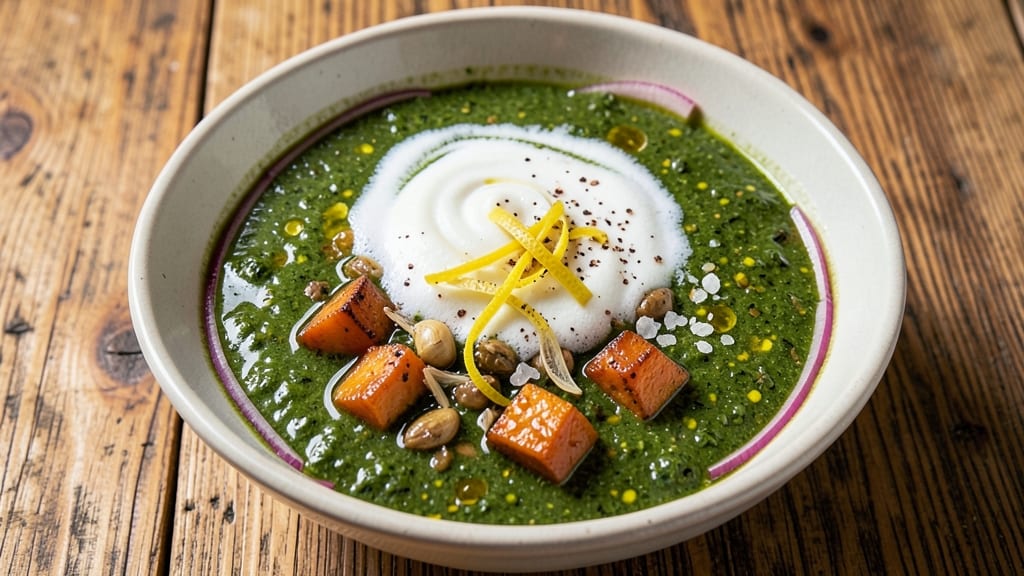
This blended kale soup recipe transforms humble greens into a velvety, restaurant-worthy bowl that’s secretly packed with plant-based creaminess. The trick? Roasting the kale first to deepen its flavor, then blending it with coconut milk or cashews for that luxurious texture without dairy. I developed this after realizing store-bought versions always tasted flat—this one delivers rich, earthy depth with every spoonful.
The base builds on classic soup principles: aromatic onions and garlic sautéed until golden, followed by kale that caramelizes slightly before being submerged in broth.
The blending stage is where the magic happens—adding coconut milk or soaked cashews creates that signature smoothness, while a touch of lemon brightens the finished dish.
What makes it special is how versatile it is: add roasted sweet potatoes for sweetness, white beans for protein, or a pinch of turmeric for golden color.
What you’ll end up with is a soup so creamy and satisfying it could fool anyone into thinking it contains heavy cream—yet it’s entirely plant-based. The roasted kale adds a subtle sweetness that balances the savory broth, while optional garnishes like toasted croutons or fresh herbs add texture.
It reheats beautifully and tastes even better the next day, making it perfect for meal prep or cozy weeknight dinners.
This recipe works equally well as a light lunch or hearty starter—just adjust the broth quantity to your preference. The key to success lies in the roasting step (never skip it!) and letting the flavors meld during simmering.
Whether you’re a seasoned home cook or new to blending soups, this method delivers foolproof results every time.
Ingredients for blended kale soup
Roasted kale and creamy coconut milk transform this simple vegan soup into restaurant-worthy comfort.
| Ingredient | Amount | Notes |
|---|---|---|
| Kale Leaves 🌿 | 12 oz | Stems removed, chopped |
| Yellow Onion 🧅 | 1 whole | Medium size, diced |
| Garlic Cloves 🧄 | 4 cloves | Peeled, minced |
| Vegetable Broth 💧 | 4 cups | Low-sodium preferred |
| Coconut Milk 🥥 | 1 cup | Full-fat for creaminess |
| Lemon Juice 🍋 | 1 tbsp | Freshly squeezed |
| Sweet Potato 🍠 | 1 medium | Peeled, cubed (about 1 cup) |
| Cashews 🥜 | ½ cup | Soaked 2 hours for creaminess |
| Extra-Virgin Olive Oil 🫒 | 2 tbsp | For roasting kale |
| Sea Salt 🧂 | 1 tsp | Kosher or sea salt |
| Ground Black Pepper 🌶️ | ½ tsp | Freshly ground |
| Fresh Thyme Leaves 🌿 | ¼ cup | Chopped, optional garnish |
The kale is the star—buy organic if possible, since non-organic often has bitter stems. Trader Joe's or local farmers markets have the best quality. Roasting caramelizes the edges, giving that subtle sweetness the intro mentions. I always grab extra because it keeps for 5 days in the fridge. For the sweet potato, orange-fleshed varieties like Beauregard work best—they're sweeter and creamier when roasted. If you can't find them, regular sweet potatoes still work, but they'll be slightly less flavorful.
No coconut milk? Cashews soaked overnight make a perfect replacement—just blend them with water until smooth. Short on thyme? Dried thyme at one-third the amount works, but fresh has that bright herbal note. The broth is non-negotiable—low-sodium is key, or your soup will taste bland. For extra depth, add a pinch of turmeric or a splash of soy sauce when blending. The lemon juice is what brightens everything up, so don't skip it—even if you're not a big citrus fan, trust me on this.
This soup tastes even better the next day—3-4 days in the fridge, no problem. For meal prep, I double the batch and freeze half in portions. Thaw overnight in the fridge before reheating. The cashews add richness, so if you're watching calories, use half the amount and boost the coconut milk. Garnish with crispy croutons or extra herbs if you're feeling fancy—otherwise, just a drizzle of olive oil and cracked pepper does the trick.
Why You'll Love This Recipe
- I swear by this: just toss whole kale stems and leaves into the pot—they’ll melt into silkiness while you sauté the onion. That crisp garlic aroma? It’s the only prep you’ll do.
- No-Chop Trick: I swear by this: just toss whole kale stems and leaves into the pot—they’ll melt into silkiness while you sauté the onion. That crisp garlic aroma? It’s the only prep you’ll do.
- Creamy Without Guilt: The coconut milk turns this into a velvety dream, but it’s not heavy like traditional cream soups. Honestly, my picky husband asks for seconds—even when he thinks he’s avoiding "healthy" food.
- Leftover Goldmine: This soup actually improves the next day. The flavors meld deeper, and the texture gets even smoother. I freeze half in portions—perfect for lazy mornings or when I forget to meal prep.
Step-by-step instructions for blended kale soup
Here's how to create a lusciously creamy soup that highlights kale's natural sweetness.
Roast the Kale and Sweet Potato for Depth
Preheat your oven to 400°F and line a baking sheet with parchment paper. Toss the 12 oz chopped kale leaves and 1 medium cubed sweet potato with 2 tablespoons extra-virgin olive oil, 1 teaspoon sea salt, and ½ teaspoon ground black pepper. Spread them in a single layer on the baking sheet.
Roast for 20-25 minutes until the kale is tender and the sweet potato edges are just starting to caramelize. You'll know it's ready when the kale leaves are slightly wilted and the sweet potato cubes feel soft when pierced with a fork. This roasting step develops a nutty sweetness that forms the base of your soup.
Sauté Onion and Garlic for Flavor Foundation
While the vegetables roast, heat 1 tablespoon extra-virgin olive oil in a large pot over medium heat. Add the 1 whole diced yellow onion and cook for 5-6 minutes until softened and translucent. Add the 4 cloves minced garlic cloves and cook for another 30 seconds until fragrant.
Here's the thing—don't let the garlic burn. It should smell sweet and pungent, not bitter. If it starts to darken too quickly, reduce the heat slightly. These aromatics form the flavor backbone of your soup, so take your time getting them just right.
Build the Soup Base with Broth and Roasted Veggies
Add the roasted kale and sweet potato to the pot with the sautéed onions and garlic. Pour in the 4 cups vegetable broth and bring everything to a gentle boil. Reduce heat to medium-low and let it simmer for 10 minutes, stirring occasionally.
This simmering step allows all the flavors to meld together. You'll notice the soup developing a rich, earthy aroma as the kale releases its nutrients into the broth. Keep an eye on it—you want gentle bubbling, not a vigorous boil that could make the soup too thin.
Blend to Silky Perfection
Using an immersion blender, carefully blend the soup directly in the pot until completely smooth. If you prefer using a countertop blender, work in batches, blending until silky smooth each time. Return the blended soup to the pot and stir in the 1 cup coconut milk and 1 tablespoon lemon juice.
The coconut milk adds natural creaminess without dairy, while the lemon juice brightens the whole dish. Taste and adjust seasoning with more sea salt or black pepper if needed. The soup should be rich but not overly heavy—you want that velvety texture with just enough acidity to balance the sweetness.
Finish with Cashews and Garnish
In a small bowl, combine the ½ cup soaked cashews with ½ cup hot soup and blend until completely smooth. Stir this cashew mixture back into the pot and simmer for another 5 minutes to thicken slightly. The cashews add another layer of creaminess and help emulsify the soup.
Finally, stir in the ¼ cup chopped fresh thyme leaves and serve immediately. The thyme adds a lovely herbal note that complements the earthy kale. Each spoonful should deliver that perfect balance of creamy, slightly sweet, and herby flavors—this is where the magic happens.
Pro Tips For Making Blended Kale Soup
- BLEND IN STAGES: Don’t dump everything raw into the blender—you’ll end up with a gluey mess. Sauté onions and garlic until soft, then blend just those with a splash of broth first. This creates a smooth base before adding kale, which prevents clumps and makes the soup silkier. (Yes, even if you’re impatient like me.)
- REMOVE STALKS FIRST: Kale stems are tough and bitter—no one wants to taste them. Strip them out before chopping leaves, or at least cut them into thick pieces and cook them separately for 5 minutes longer. You’ll save your teeth and your soup’s texture.
- SIMMER NOT BOIL: High heat turns coconut milk grainy and soupy. Once everything’s blended, keep the heat low and let it bubble gently for 5–7 minutes. This lets the flavors meld without breaking the creaminess. (I learned this the hard way after a curdled disaster.)
- SALT THE BROTH: If your broth is unsalted, season it before blending—it’s the backbone of flavor. Taste after adding coconut milk, but don’t oversalt; you can’t fix it later. A pinch of salt here makes the whole soup taste richer without extra effort.
Health benefits of this blended kale soup
Antioxidant Powerhouse
This kale soup is a nutritional powerhouse, packed with vitamin K—just 1 bowl provides over 1,000% of your daily needs—which supports bone health and blood clotting. The roasted kale also delivers vitamin A (about 150% daily value per serving) for immune function and skin health.
I always make extra because the leftovers keep me energized for days. 💪
Plant-Based Protein Boost
While not a complete protein, this soup packs 4 grams of plant-based protein per serving from the kale and cashews. For a bigger protein kick, stir in ½ cup white beans or ½ cup cooked lentils—both add about 7 grams of protein per ½ cup.
The cashews also provide healthy fats that help keep you full longer.
Digestive Health Support
The fiber in kale (about 5 grams per serving) supports gut health by promoting regular digestion and feeding beneficial gut bacteria. The coconut milk adds medium-chain triglycerides (MCTs), which may improve digestion and reduce bloating.
I notice my digestion improves when I eat this soup regularly, especially after heavier meals.
Anti-Inflammatory Benefits
Kale contains kaempferol and quercetin, powerful antioxidants that reduce inflammation in the body. The turmeric (if added) boosts these benefits with its own anti-inflammatory compounds. This makes the soup particularly beneficial for anyone dealing with chronic inflammation or joint discomfort. 🌿
Vitamin C Boost
Don't let the blending fool you—this soup retains about 20% of kale's vitamin C (around 10mg per serving). While not as much as raw kale, it's still a significant contribution to your daily needs.
The lemon juice in the recipe adds even more vitamin C, enhancing the soup's immune-boosting properties.
Low-Calorie Comfort
At just 250 calories per serving, this soup delivers substantial nutrition without excess calories. The coconut milk and cashews provide satisfying creaminess while keeping the dish light enough for daily meals. It's perfect for those watching their weight but still craving comforting, flavorful food. 💛
Nutrition facts
Frequently asked questions
Why does roasting the kale make such a difference?
Roasting transforms kale's flavor from bitter to sweet and nutty! The high heat caramelizes the edges, creating depth that raw kale can't match. Plus, it softens the leaves so they blend smoothly without grit. Never skip this step—it's what makes this soup taste restaurant-quality.
Can I make this soup without coconut milk?
Soak ½ cup cashews overnight and blend with water for a dairy-free creamer. For extra richness, mix in 2 tablespoons tahini. Both options work beautifully—just adjust liquid to reach your desired thickness after blending.
How do I fix soup that's too thick after blending?
Simmer for 5 extra minutes to evaporate some liquid, or stir in 2-3 tablespoons broth at a time until smooth. If it's still too thick, add a splash of water and blend again. The key is patience—don't rush the blending process for best results.
What's the best way to store leftovers?
Store in an airtight container for up to 4 days in the fridge. For freezing, portion into 2-cup servings and freeze for 3 months. Thaw overnight in the fridge before reheating—microwaving can make the texture grainy.
Can I add protein without beans or lentils?
Try ½ cup silken tofu (blended with the soup) or ¼ cup nutritional yeast for a cheesy flavor boost. For meat-eaters, stir in cooked chicken or shrimp after blending. The soup's creamy texture pairs perfectly with all these additions!