
Soups & Stews
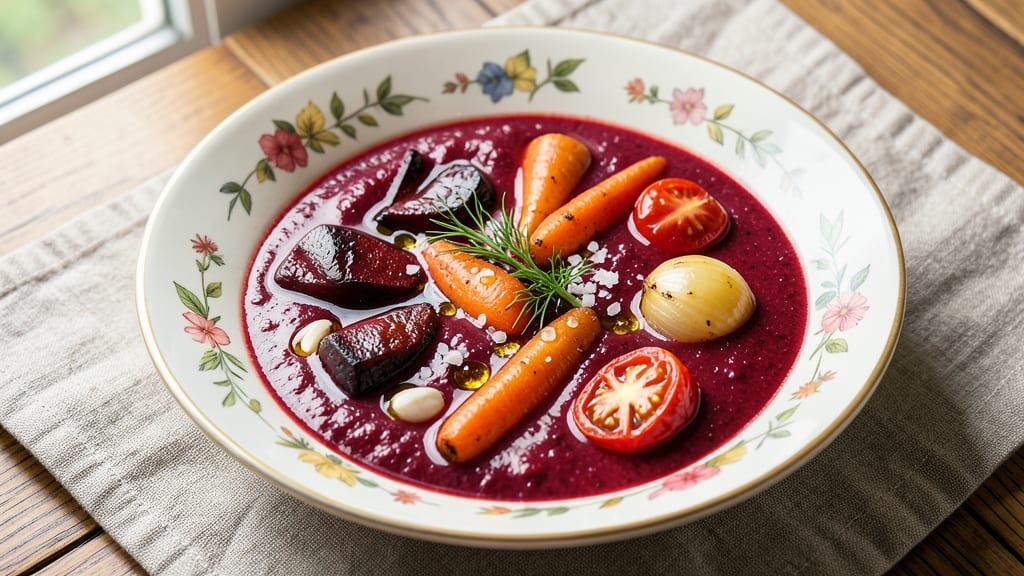
This beetroot carrot tomato soup delivers earthy sweetness with a balanced acid zing that makes every spoonful satisfying. The secret lies in roasting the vegetables first—this caramelization deepens their natural flavors while creating a velvety texture when blended.
I developed this recipe after years of experimenting with root vegetable soups, and it’s become my go-to for cozy weeknight dinners or potlucks.
The beauty of this soup is its versatility—you can blend it smooth for a silky texture or leave it slightly chunky for added depth. Roasted garlic and smoked paprika add layers of warmth, while a splash of apple cider vinegar at the end brightens the dish without overpowering the vegetables.
It’s vegan-friendly, packed with nutrients, and ready in under an hour.
What you’ll end up with is a soup that’s rich yet light, sweet yet tangy, and impossibly comforting. The beetroot adds a subtle earthiness, the carrots bring natural sweetness, and the tomatoes introduce a bright acidity that ties everything together.
Serve it warm with crusty bread or a sprinkle of toasted pumpkin seeds for extra crunch.
Meal prep is a breeze—this soup tastes even better the next day, and it keeps well in the fridge for up to five days. For extra depth, roast the vegetables longer for a deeper flavor, or adjust the vinegar to taste for more zing.
Here’s how to make it perfectly every time.
Ingredients for beetroot carrot tomato soup
Earthy beets, sweet carrots, and bright tomatoes make this soup a cozy, nutrient-packed delight.
| Ingredient | Amount | Notes |
|---|---|---|
| Medium Beetroots 🍠 | 2 whole | Roasted, peeled, cubed |
| Medium Carrots 🥕 | 4 whole | Roasted, peeled, chopped |
| Medium Tomatoes 🍅 | 4 whole | Roasted, peeled, chopped |
| Yellow Onion 🧅 | 1 whole | Diced, sautéed |
| Garlic Cloves 🧄 | 4 cloves | Roasted, minced |
| Extra-Virgin Olive Oil 🫒 | ½ cup | For roasting and sautéing |
| Vegetable Broth 💧 | 4 cups | Low-sodium preferred |
| Apple Cider Vinegar 🍎 | 1 tbsp | For bright acidity |
| Smoked Paprika 🌶️ | 1 tsp | For depth of flavor |
| Ground Cumin 🌿 | ½ tsp | Toasted for warmth |
| Salt 🧂 | 1 tsp | Kosher or sea salt |
| Black Pepper 🌶️ | ½ tsp | Freshly ground |
| Pumpkin Seeds 🥜 | ¼ cup | Toasted, for garnish |
| Fresh Thyme Leaves 🌿 | ¼ cup | Chopped, optional garnish |
The vegetables are the stars here—roasting them first brings out their natural sweetness and depth. Look for vibrant, firm beets and carrots at the grocery store, and avoid any with soft spots. I usually grab mine from the produce section at Whole Foods or my local farmers market in season. For the tomatoes, heirloom varieties add extra flavor, but regular grocery store tomatoes work fine too. Roast them all together on a sheet pan at 400°F for about 30 minutes—they’ll caramelize beautifully and make blending easier later. Don't skip the roasting step; it's what transforms this soup from good to extraordinary.
No roasted veggies on hand? Steamed or sautéed carrots and beets will work in a pinch, though they won't have the same depth of flavor. Short on apple cider vinegar? Lemon juice or white wine vinegar at the same amount gives a similar bright tang. Want to add more warmth? Swap smoked paprika for a pinch of cayenne (start with 1/4 tsp and adjust). The pumpkin seeds can be swapped for sunflower seeds or walnuts if you prefer. Fresh thyme is ideal, but dried thyme at one-third the amount works if you're in a hurry. For extra richness, stir in 1 tbsp of tahini at the end—trust me, it's a game-changer.
This soup tastes even better the next day as the flavors meld together. Store it in an airtight container in the fridge for up to 5 days, or freeze portions for 3 months. I like to make a big batch on Sundays so I have leftovers for the week. The veggies can be roasted ahead and stored in the fridge for 3 days before blending into the soup. When reheating, add a splash of water or broth to loosen it up. Garnish with toasted pumpkin seeds and fresh thyme right before serving—it adds that final touch of freshness.
Why You'll Love This Recipe
- No Chopping Nightmare: I swear, this soup only needs a knife for the onions and garlic—everything else? Just toss whole veggies into the pot. Even my toddler could handle it (and has, with minimal supervision).
- Earthy Sweet Crunch: That natural caramelization from the roasted beets and tomatoes? It’s like a hug in a bowl. The garlic and onion base ties it all together with a warmth that lingers—no weird aftertaste, just pure, cozy flavor.
- Meal Prep MVP: Make a double batch on Sunday, and you’ve got lunch for days. The flavors actually improve after sitting overnight—smooth, rich, and ready to reheat in seconds. (Pro tip: Freezes like a dream for those "I can’t even" days.)
- Pantry Staple Magic: You’re already using what’s in your fridge—no specialty ingredients needed. Beets last forever, carrots are cheap, and onions? Always on sale. This soup costs pennies per serving and still feels fancy enough for guests. (Yes, even on a Tuesday night.)
Step-by-step instructions for beetroot carrot tomato soup
Let's create a velvety, earthy soup where roasted vegetables meet bright acidity for perfect balance.
Roast the Vegetables for Deep Flavor
Preheat your oven to 400°F and line two baking sheets with parchment paper. Toss the 2 whole medium beetroots, 4 whole medium carrots, and 4 whole medium tomatoes with 2 tablespoons of the extra-virgin olive oil. Spread them in a single layer, skin-side up for even cooking. Roast for 30-35 minutes until fork-tender and caramelized.
While they roast, peel and mince the 4 cloves garlic cloves and set aside. The roasting process concentrates their natural sweetness and develops complex caramelized notes that form the soup's foundation. You'll know they're done when the beetroots are soft enough to pierce with a fork and have deep reddish-brown edges.
Build the Flavor Base with Aromatics
Heat 2 tablespoons of the remaining extra-virgin olive oil in a large pot over medium heat. Add the diced yellow onion and sauté for 5-6 minutes until softened and translucent. Add the minced garlic and cook for 30 seconds until fragrant—don't let it brown or it'll turn bitter.
Stir in the 1 teaspoon smoked paprika, ½ teaspoon ground cumin, 1 teaspoon salt, and ½ teaspoon black pepper. Toast the spices for 30 seconds to release their aromatic oils. This step creates the warm, earthy backbone that ties all the flavors together.
Combine and Simmer the Soup
Add the roasted vegetables to the pot and stir to combine with the spices. Pour in the 4 cups vegetable broth and bring to a gentle boil. Reduce heat to medium-low and let it simmer uncovered for 15-20 minutes, stirring occasionally. The soup should reduce slightly, becoming thicker and more concentrated.
Peel the roasted vegetables before adding them to the pot—this ensures a silky texture without fibrous skins. If the soup needs thinning, add ¼ cup water at a time until you reach your preferred consistency. The vegetables should be completely tender by now, breaking down into the broth.
Finish with Bright Acid and Garnish
Remove the pot from heat and stir in the 1 tablespoon apple cider vinegar. This adds a bright, tangy contrast that cuts through the richness of the roasted vegetables. Taste and adjust seasoning with more salt or pepper if needed. The acidity should make your mouth water—this is the moment that transforms good soup into great soup.
Ladle the soup into bowls and garnish each serving with 1 tablespoon toasted pumpkin seeds and 1 tablespoon chopped fresh thyme leaves. The seeds add crunch and nutty flavor, while the thyme brings fresh herbal notes. Serve immediately while warm for the best experience.
Pro Tips For Making Beetroot Carrot Tomato Soup
- Roast the Beets First: I learned this the hard way—boiling beets makes them waterlogged and dull. Roast them whole at 400°F (200°C) for 45 minutes with olive oil and salt, then peel. The concentrated sweetness and deep color will transform your soup from good to rich and vibrant—no extra sugar needed.
- Peel Carrots After Cooking: Raw carrots peel like a nightmare, but cooked ones glide right off. Toss them in boiling water for 3 minutes before chopping, then peel under running water. You’ll save time and avoid the mess of scraping stubborn orange skins off stubborn carrots.
- Sweat the Onion Low: Skip the sizzle—cook the onion over medium-low heat until it’s translucent and just starting to caramelize (about 8 minutes). High heat burns it fast, and you’ll taste bitter ash in every spoonful. Patience here means flavor that lingers.
- Blend in Stages: Puree half the soup first, then blend again after adding the rest. This prevents clogs (yes, even with a good blender) and ensures a silky texture. If it’s too thick, add a splash of water or vegetable broth—just don’t overdo it, or you’ll dilute the depth of flavor.
Make-ahead tips for leftovers
Roast Ahead Strategy
Roast all vegetables 2 days ahead and store them in an airtight container in the fridge. The flavors deepen over time, and you can quickly assemble the soup when needed.
Just peel, chop, and blend with broth and spices—no extra roasting required. This is my favorite time-saver for busy weeknights. 💡
Freezer-Friendly Prep
Make a big batch and freeze portions in quart-sized freezer bags with 1-inch headspace to prevent ice crystals. Thaw overnight in the fridge, then reheat on the stovetop with ¼ cup water or broth.
The texture stays creamy, and the flavors remain vibrant after freezing. Label bags with dates—this soup keeps well for 3 months. ❄️
Broth Swap Options
Use homemade vegetable broth for richer flavor, or swap for coconut milk (½ cup) at the end for a creamy twist. For extra protein, stir in ½ cup cooked lentils when reheating.
I often keep a jar of broth in the freezer specifically for soup prep—it’s a game-changer for depth. 🥄
Garnish Prep Kit
Toast pumpkin seeds in a dry skillet over medium heat for 3-4 minutes until golden, then store in a jar. Keep chopped thyme in small containers in the fridge for up to 5 days.
This way, you always have fresh garnishes ready to elevate the soup at the last minute. A little effort here makes a huge difference! 🌿
Reheating Secrets
For stovetop reheating, use medium-low heat and stir frequently to prevent scorching. If the soup seems too thick, add 1-2 tablespoons water or broth at a time. For microwave reheating, cover with a damp paper towel and heat in 1-minute intervals, stirring between each.
Always reheat to at least 165°F for food safety. 🔥
Flavor Boosts Later
Need a flavor refresh? Stir in 1 teaspoon tahini or ½ teaspoon maple syrup when reheating. A splash of lemon juice brightens the acidity, while a pinch of cayenne adds warmth. These tweaks turn leftovers into something even better than the original! 💫
Nutrition facts
Frequently asked questions
Can I make this soup without roasting the vegetables?
Roasting is key for maximum flavor, but you can steam or sauté the veggies instead. For sautéing, cook them in olive oil over medium heat for 10-12 minutes until tender. The soup will be less caramelized but still delicious. For best results, roast at least the beets and carrots—they benefit most from the process.
How do I adjust the texture if I prefer it chunkier?
Skip blending entirely and use an immersion blender for partial blending—just pulse until you reach your desired consistency. For extra texture, leave 1-2 tablespoons of whole roasted vegetables in each serving. The soup will have a rustic, hearty quality while still being smooth enough to sip.
What if my soup tastes too acidic?
Balance the acidity by adding a pinch of maple syrup or honey (if not vegan) to taste. Start with ½ teaspoon and adjust gradually. Alternatively, stir in ½ teaspoon tahini or a splash of coconut milk to mellow the tang. The goal is harmony—taste as you go!
Can I use canned tomatoes instead of fresh?
Yes! Drain and rinse 1 (28 oz) can crushed tomatoes and roast them with the other vegetables. For extra depth, add 1 teaspoon tomato paste to the sautéed onions. Canned tomatoes work well and save prep time, though fresh ones add a brighter, more complex flavor.
How can I make this soup spicier?
Add ½ teaspoon cayenne pepper with the smoked paprika, or stir in 1 teaspoon hot sauce at the end. For smoky heat, swap smoked paprika for 1 teaspoon chipotle powder. Always taste first—you can adjust, but you can't remove spice once it's in!