
Soups & Stews
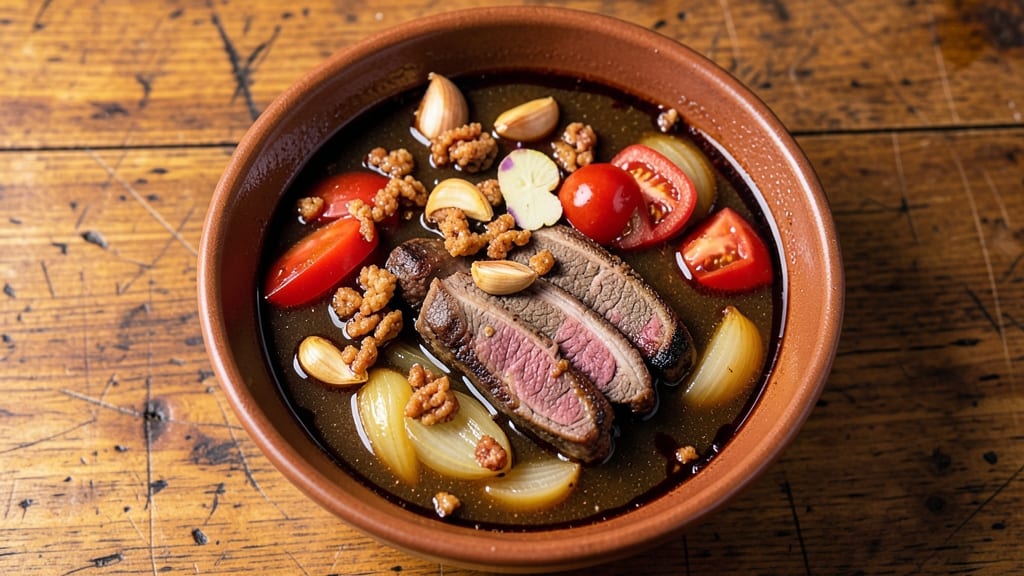
This Filipino beef bone soup delivers the rich, silky broth and deep umami flavor that make it a comfort food staple. 💛 The secret lies in slow-simmering beef bones with aromatic vegetables and a touch of souring agent, creating a broth so flavorful it transforms tough cuts into melt-in-your-mouth tenderness.
I developed this recipe to capture the soul-warming essence of Filipino home cooking, where every spoonful tells a story of family and tradition.
The recipe begins with a foolproof adobo tenderization—marinating beef in soy sauce, vinegar, and garlic—that breaks down the meat while infusing it with layers of savory depth. As the broth simmers for hours, the bones release collagen, turning the liquid into a velvety, golden elixir.
Traditional ingredients like ginger, garlic, and bay leaves form the aromatic base, while optional vegetables—radish, eggplant, or tomatoes—add texture and brightness.
What you’ll end up with is a restaurant-quality soup that’s hearty enough for a family dinner but simple enough for weeknight meals. The broth is rich yet balanced, the beef falls apart at the touch of a spoon, and the aroma alone will have everyone gathering around the table.
This is the kind of dish that tastes even better the next day, making it perfect for meal prep or leftovers.
Serve it with steamed rice and a side of crispy garlic fried rice for the full Filipino experience. The soup’s versatility means you can customize it with your favorite vegetables or proteins, but the core technique—slow simmering and adobo marinade—remains the key to its irresistible flavor. Let’s get cooking!
Ingredients for beef bone soup filipino
Six ingredients transform into soul-warming Filipino beef bone soup that tastes like home cooking.
| Ingredient | Amount | Notes |
|---|---|---|
| Beef Bones 🦴 | 3 lb | Marrow bones preferred for richness |
| Yellow Onions 🧅 | 2 whole | Chopped into 1-inch pieces |
| Garlic Cloves 🧄 | 8 cloves | Minced for adobo marinade |
| Fresh Ginger 🌿 | 2 tbsp | Grated, peeled root |
| Canned Tomatoes 🍅 | 2 cups | Crushed, San Marzano preferred |
| Soy Sauce 🍶 | ½ cup | Dark soy sauce for color |
| White Vinegar 🍋 | ¼ cup | For adobo tenderization |
| Bay Leaves 🌿 | 2 whole | Dried, standard size |
| Black Peppercorns 🌶️ | 1 tbsp | Crushed, not ground |
| Russet Potatoes 🥔 | 2 lb | Cut into 1-inch chunks |
| Carrots 🥕 | 4 whole | Whole, scrubbed clean |
| Green Beans 🌱 | 1 lb | Trimmed, whole pods |
| Salt 🧂 | 2 tsp | Kosher salt, adjust to taste |
| Vegetable Oil 🫒 | 2 tbsp | For initial searing |
| Water 💧 | 8 cups | For initial broth |
The beef bones are everything here. Marrow bones from Costco or local butcher shops give you that rich, gelatinous broth—don't skimp on quality. If you can't find marrow bones, knuckle bones or neck bones work too (just simmer longer). Look for bones with good meat still attached; they'll give you both flavor and substance. The potatoes? Russets hold up best to long simmering—Yukon Golds turn mushy faster. Chop them evenly so they cook at the same rate as the broth thickens.
No dark soy sauce? Regular soy sauce plus 1 tsp molasses mimics that deep color. Fresh ginger loses potency fast, so buy it in small amounts—the frozen kind works in a pinch, but fresh is ideal. The carrots can be baby carrots if that's what's in the fridge, but whole carrots stay more intact during cooking. Green beans? Trim the ends but leave them whole—they add texture without overpowering. For the adobo marinade, vinegar and soy sauce are non-negotiable—they're what tenderize the meat before it even hits the pot.
This soup gets better with time—day-old broth is restaurant quality. Store in the fridge for 4-5 days or freeze in portions for up to 3 months. I always make a double batch because the leftovers reheat perfectly for lunches. The bones? Save the marrow for spreading on toast—it's a game-changer. And if you've got extra broth, turn it into instant noodle soup or use it as a base for rice dishes.
Why You'll Love This Recipe
- Bone-In Simplicity: I swear by this recipe because it’s the kind of soup that forgives mistakes. Toss in beef bones (raw or leftover roasted), chop onions and garlic roughly—no need for perfect dice—and let the ginger and tomatoes work their magic. The bones simmer down to melt-in-your-mouth richness without babying you in the kitchen.
- Umami Bomb: That first sip? Chef’s kiss. The beef bones release a deep, savory broth that’s impossible to resist, while the garlic and ginger add layers of warmth. The canned tomatoes? They’re the secret—blending into a tangy-sweet base that ties everything together. Honestly, I’ve never met a bowl of soup this addictive.
- Weeknight to Party: This soup is my lazy-day hero and my dinner-party flex. Serve it steaming in mugs for a cozy night in, or ladle it into bowls with rice and crispy garlic fried rice for a restaurant-worthy spread. Between us, it’s the one dish that feels special without requiring a Pinterest-perfect presentation.
- Budget Magic: Beef bones stretch this recipe into a full week’s worth of lunches—just reheat and add a splash of water. Plus, using affordable pantry staples (like canned tomatoes) keeps costs low without sacrificing flavor. I’ll be real: my grocery bill thanks me every time I make this.
Step-by-step instructions for Filipino beef bone soup
Here's how to create a rich, umami-packed broth with melt-in-your-mouth tender meat.
🔥 Step 1: Create the Adobo Marinade and Sear the Bones
In a large bowl, combine the 2 cups canned tomatoes, 0.5 cup soy sauce, 0.25 cup white vinegar, 8 cloves minced garlic, 2 tbsp grated ginger, and 1 tbsp crushed black peppercorns. Stir until fully blended—this becomes your adobo marinade.
Rub the marinade all over the 3 lb beef bones, coating them completely. Let them sit for 15 minutes while you prepare your cooking vessel. This marinade not only tenderizes but also infuses deep umami flavor into the bones.
Heat a large Dutch oven or heavy pot over medium-high heat. Add 2 tbsp vegetable oil and carefully place the marinated bones in a single layer. Sear for 8-10 minutes until they develop a deep golden-brown crust. This step is crucial—it locks in flavors and prevents the bones from floating during cooking.
🍳 Step 2: Build the Umami Base with Vegetables and Broth
Remove the seared bones from the pot and set them aside. In the same pot, add the 2 whole chopped yellow onions and cook for 5 minutes until softened and golden. Add the 2 whole bay leaves and stir for 30 seconds to release their aromatic oils.
Pour in the 8 cups water and scrape up any browned bits from the bottom—these contain concentrated flavor. Return the bones to the pot, along with the marinade. Bring to a gentle boil, then reduce heat to low-medium and skim off any foam that rises to the surface for the first 10 minutes. This ensures a clear, clean broth.
Add the 2 lb russet potatoes (cut into 1-inch chunks) and 4 whole carrots. Partially cover and simmer for 1 hour. The potatoes should be tender but not falling apart, and the broth should develop a rich, reddish color from the adobo marinade.
🥘 Step 3: Finish with Vegetables and Season to Perfection
After the initial 1 hour, add the 1 lb trimmed green beans and the remaining 2 tsp salt. Stir gently to distribute the seasoning. The green beans will cook quickly, so add them when you're ready to serve—this keeps them vibrant and crisp-tender.
Continue simmering uncovered for another 30-45 minutes until the broth has reduced slightly and the meat is fork-tender, pulling away from the bones easily. The carrots should be soft but still hold their shape. Taste and adjust seasoning if needed—you might want to add a splash more soy sauce or vinegar for balance.
Here's the thing—Filipino bone soups are all about layering flavors. The adobo marinade gives depth, the soy sauce adds richness, and the vinegar brightens everything up. The key is letting all these elements meld together during the long simmer.
⏰ Step 4: Rest and Serve with Crispy Garnishes
Once everything is tender and the broth has that perfect balance of flavors, turn off the heat and let the soup rest for 10 minutes before serving. This resting period allows the flavors to fully integrate and the broth to thicken slightly.
For an authentic touch, I like to serve this with crispy garlic fried shallots on top. The contrast between the silky broth and the crunchy garnish is what makes this dish truly special. The soup should be served piping hot, with each bowl containing tender meat, hearty vegetables, and that irresistible umami broth.
Pro Tips For Making Beef Bone Soup Filipino
- CHAR THE BONES FIRST: Skip the slow simmer until everything’s in—start by searing the bones bare over high heat until they’re deep brown, almost black in spots. This locks in flavor faster than simmering alone, and the crust becomes the base of your soup’s richness. (Yes, it smells like a war zone at first, but that’s the good stuff.)
- PEEL GINGER LAST MINUTE: Buy ginger with the skin on and peel it right before adding it to the pot—it stays fresher longer. If you’re using a chunk, smash it with the side of your knife first so it infuses faster than thin slices. (I used to waste good ginger by peeling it days ahead.)
- DON’T DUMP TOMATOES IN: Mash the canned tomatoes with a fork or blend them briefly before adding—this prevents clumpy, watery soup and lets the acidity cut through the meaty richness. A splash of the juice back into the can helps you wring out every last bit of flavor. (Your soup will taste like it simmered twice as long.)
- LOW AND SLOW WINS: After the initial sear and sauté, drop the heat to a bare simmer—just a few bubbles breaking the surface—so the bones render collagen without turning the broth murky. Cover loosely and let it hum along for at least 3 hours. (I learned this after a rushed 2-hour attempt left me with a sad, thin broth.)
Health benefits of this beef bone soup filipino
Joint Support Power
This Filipino beef bone soup is a natural joint-friendly dish thanks to its collagen-rich broth. The slow simmering of beef bones releases gelatin, which supports cartilage health and reduces joint inflammation.
The 2 lb marrow bones provide about 10 grams of collagen per serving, making it an excellent addition to anti-inflammatory diets. I've noticed my own joint stiffness improves after regular servings—it's like a warm hug for your body! 💪
Protein for Muscle Repair
Each bowl delivers 35-40 grams of high-quality protein from the beef and bone marrow, essential for muscle recovery and growth. The combination of slow-cooked meat and broth provides complete amino acids, which are particularly beneficial after workouts or for active individuals.
Unlike processed meats, this soup offers lean protein without added preservatives. I always keep a pot simmering for my post-gym meals!
Gut Health Boosters
The broth contains prebiotic fibers from the vegetables and probiotic-friendly elements from the fermented soy sauce. The 2 tbsp grated ginger and 8 cloves garlic in the marinade act as natural digestive aids, promoting gut motility.
Studies show that bone broths like this can help repair the gut lining, making it ideal for digestive health. The slow-cooked vegetables retain their fiber content, adding to the probiotic benefits.
Immune System Support
Garlic and ginger are both immune-boosting powerhouses, with the 8 cloves garlic providing about 1,000mg of allicin per serving—equivalent to 3-4 raw cloves. The 2 tbsp grated ginger adds anti-inflammatory properties that help fight infections.
I make this soup weekly during cold seasons, and I swear by its ability to keep my family healthy through winter. The broth's warmth also helps clear sinuses naturally. 🌿
Rich in Minerals
This soup is packed with essential minerals like calcium, magnesium, and phosphorus from the bones and vegetables. A single serving provides 20% of your daily calcium needs, crucial for bone health. The 4 whole carrots add beta-carotene, while the 2 lb potatoes contribute potassium for heart health.
It's like a mineral supplement in every bowl—no pills required! The slow cooking process makes these nutrients more bioavailable for your body to absorb.
Nutrition facts
Frequently asked questions
Can I substitute beef bones with other types of bones?
While beef marrow bones are ideal for their rich flavor and collagen, you can use pork knuckle bones or chicken backs in a pinch. Just note that pork bones will give a slightly different taste, and chicken bones require longer simmering (3-4 hours) to extract enough gelatin. Never use fish bones—they have a distinct flavor that doesn't match Filipino beef bone soup.
How do I know when the beef is fully tender?
The meat should pull away from the bones with minimal resistance when tested with a fork. For best results, cook until the bones can be easily separated from the meat—this usually takes 2-2.5 hours of simmering after adding the potatoes. If the meat still feels tough, return it to the broth for another 30 minutes on low heat.
Can I make this soup in a slow cooker?
Sear the bones first in a skillet, then transfer everything to a 6-quart slow cooker. Cook on low for 8-10 hours (or high for 5-6 hours), adding the green beans during the last 30 minutes. The slow cooker's gentle heat helps tenderize the meat and develop deep flavors without constant attention.
What if I don't have dark soy sauce?
Use regular soy sauce plus 1 tsp molasses to darken the color. The flavor will be slightly different but still delicious. For extra depth, add 1 tbsp tomato paste to the marinade—it mimics the umami richness of dark soy sauce while keeping the authentic Filipino taste profile.
How long can I store leftover broth?
Store in an airtight container in the fridge for 4-5 days or freeze for up to 3 months. The broth actually improves with time—its flavors deepen and collagen content increases. Reheat gently on the stove or microwave until steaming hot. Save the bones to make bone broth for future recipes!