
Soups & Stews
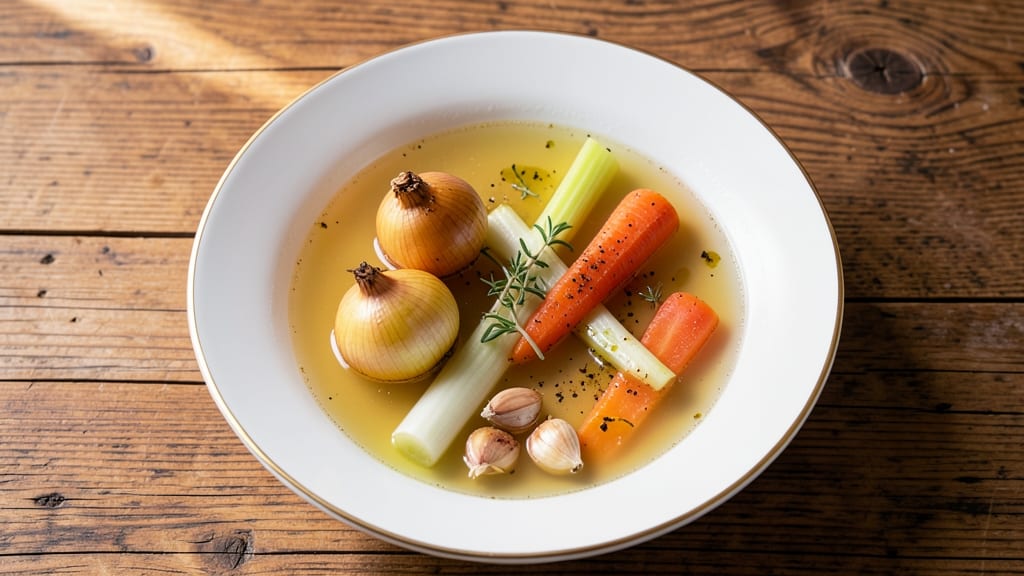
This basic clear soup recipe delivers light, comforting broth in under 20 minutes—perfect for quick meals or resetting after rich dishes. The foundation is simple: aromatic vegetables, quality stock, and a gentle simmer that extracts maximum flavor without overpowering.
I developed this version during busy weeks when I needed something nourishing yet effortless, and it became my go-to for both weeknight suppers and recovery meals.
The beauty of clear soup lies in its adaptability—start with classic aromatics like onion, carrot, and celery, then customize with whatever vegetables you have on hand. The key technique is low-and-slow simmering, which builds depth without reducing the broth to heaviness.
For extra brightness, finish with a squeeze of lemon or fresh herbs, which elevate the clean flavors without masking the broth's purity.
What makes this recipe truly practical is its flexibility: use store-bought stock for convenience or homemade for deeper flavor, and adjust the vegetable ratio based on what you're clearing from your fridge.
The result is a light yet satisfying broth that's perfect for sipping, pairing with grilled proteins, or serving over rice for a complete meal.
This soup also serves as an excellent base for meal prep—make a big batch and store it for up to 5 days, or freeze portions for quick future meals.
The simplicity of the technique ensures consistent results, while the customizable ingredients let you adapt it to seasonal produce or dietary preferences without sacrificing flavor.
Ingredients for basic clear soup
Aromatic vegetables, quality stock, and a pinch of fresh herbs—this is all you need for light, nourishing broth.
| Ingredient | Amount | Notes |
|---|---|---|
| Yellow Onion 🧅 | 1 whole | Diced into small pieces |
| Carrots 🥕 | 2 whole | Peeled and sliced into rounds |
| Celery Stalks 🧄 | 3 whole | Trimmed and cut into 1-inch pieces |
| Garlic Cloves 🧄 | 3 cloves | Minced for aromatic depth |
| Vegetable Stock 💧 | 4 cups | Homemade or quality store-bought |
| Extra-Virgin Olive Oil 🫒 | 2 tbsp | For sautéing vegetables |
| Fresh Thyme Leaves 🌿 | ½ tsp | Dried works at one-third amount |
| Fresh Parsley Leaves 🌿 | ¼ cup | Chopped for garnish |
| Lemon Juice 🍋 | 1 tbsp | Freshly squeezed for brightness |
| Salt 🧂 | ½ tsp | Diamond Crystal preferred |
| Black Peppercorns 🌶️ | ¼ tsp | Freshly cracked for texture |
| Optional Vegetables 🥬 | 2 cups | Zucchini, leeks, or mushrooms |
The vegetable trio—onion, carrot, and celery—forms the aromatic base, so don't skimp. Local farmers markets often have crisp, fresh produce that's perfect for soups. Look for carrots with vibrant orange color and firm texture—they should snap when bent. Celery should be crisp with no yellowing. For the stock, Pacific Foods or Imagine brands are my go-tos for store-bought, but homemade always tastes better. If you're using optional vegetables like zucchini or mushrooms, slice them uniformly so they cook evenly. The garlic? Three cloves is perfect—don't overdo it or the soup will taste bitter.
No fresh thyme? Dried works at one-third the amount, but fresh has that bright, floral note that's hard to beat. Running low on parsley? Fresh cilantro or basil will work in a pinch, though parsley's milder flavor keeps things clean. The lemon juice is non-negotiable for brightness—freshly squeezed is best, but bottled works if you're in a rush. For salt, Diamond Crystal kosher salt dissolves cleanly, but any fine sea salt will do. Black peppercorns should be freshly cracked—pre-ground loses its punch quickly. If you're using optional vegetables, zucchini holds up best to longer simmering, while mushrooms release their flavor quickly.
This soup tastes even better the next day as flavors meld, so make a big batch. Store in airtight containers for up to 5 days in the fridge or freeze for 3 months. For freezing, portion into ice cube trays first—just pop out what you need later. The broth reduces slightly when reheated, so add a splash of water or stock when warming. Garnish with fresh herbs right before serving to keep them vibrant. Leftovers reheat beautifully—just warm gently on the stove or microwave until steaming.
Why You'll Love This Recipe
- I swear by this trick: slice the onion, carrots, and celery into big chunks—no need for juliennes or anything fancy. The stock pulls all the flavor out anyway, so you save 10 minutes and still end up with that classic, comforting taste.
- No-Chop Shortcut: I swear by this trick: slice the onion, carrots, and celery into big chunks—no need for juliennes or anything fancy. The stock pulls all the flavor out anyway, so you save 10 minutes and still end up with that classic, comforting taste.
- Garlic Bomb Flavor: That one clove of garlic, lightly toasted in the pot before adding stock? Chef’s kiss. It doesn’t overpower, but it adds this deep, savory punch that turns a simple broth into something you’ll slurp straight from the pot.
- Leftovers That Taste Better: Between us, my clear soup actually improves after a day in the fridge. The flavors meld, and the texture gets silky—perfect for reheating with toasted bread or a sprinkle of herbs. I make a double batch on Sundays just for this reason.
Step-by-step instructions for light and refreshing vegetable broth
This simple method delivers a bright, aromatic broth in under 20 minutes—no fancy techniques required.
Sauté the Aromatic Vegetables
Heat the 2 tablespoons extra-virgin olive oil in a medium pot over medium heat. Add the 1 whole yellow onion, 2 whole carrots, and 3 whole celery stalks—all prepped as specified. Cook for 5-6 minutes, stirring occasionally, until the vegetables soften and the onion becomes translucent. This foundational step builds flavor through caramelization.
Here's the thing—don't rush this. You're developing the broth's depth right here. When the vegetables release their natural juices and the mixture smells sweetly aromatic, you're ready for the next step. If the vegetables start to brown too quickly, reduce the heat slightly to prevent burning.
Add Garlic and Herbs
Stir in the 3 cloves minced garlic and cook for 30 seconds until fragrant—this prevents the garlic from turning bitter. Add the 0.5 teaspoon fresh thyme leaves and continue cooking for another 1 minute, stirring constantly. The thyme will release its earthy aroma, which forms the herbal backbone of your broth.
I like to press down gently on the garlic with a wooden spoon during those final seconds—this ensures even cooking. Watch for color changes: the garlic should turn a pale golden hue, not dark brown. This is when you'll know it's ready to move forward.
Simmer with Stock and Seasonings
Pour in the 4 cups vegetable stock and bring to a gentle boil. Once boiling, reduce heat to low and add the 2 cups optional vegetables (if using). Simmer uncovered for 10 minutes—this allows the vegetables to infuse their flavors without breaking down completely. The broth should be clear with just a hint of vegetable color.
Add the 0.5 teaspoon salt and 0.25 teaspoon freshly cracked black peppercorns now. The peppercorns will add subtle heat and texture, while the salt enhances all the flavors. Taste the broth at this stage—it should be seasoned but not overwhelming. If it needs more brightness, you can add the 1 tablespoon lemon juice later.
Finish and Strain
Remove the pot from heat and let it sit for 2 minutes. This resting period allows any floating seasonings to settle. If you're using the broth immediately, you can skip straining—but for a crystal-clear result, line a fine-mesh strainer with cheesecloth and strain the broth into a clean pot. Discard the solids or compost them.
For maximum freshness, finish with the 0.25 cup chopped fresh parsley leaves and the 1 tablespoon lemon juice. The parsley adds vibrant color and a fresh finish, while the lemon brightens the entire broth. Serve warm or chilled, depending on your preference—this broth works equally well as a light meal or a base for other dishes.
Serve with Confidence
Ladle the broth into bowls and serve immediately. Each spoonful should deliver a balance of vegetable sweetness, herbal depth, and bright acidity. The consistency should be light but satisfying—thin enough to sip easily, with just enough body to coat the back of your throat.
If you're using this as a meal, pair it with crusty bread or a simple grain like orzo. For extra protein, add poached eggs or grilled chicken. The beauty of this broth is its versatility—it's the perfect foundation for countless dishes, all starting with these simple steps.
Pro Tips For Making Basic Clear Soup
- Sweat, Don’t Burn: Cut the onion, carrots, and celery into even ¼-inch pieces—smaller than you’d think—and cook them over medium-high heat in a splash of water (or stock) instead of oil. I learned this the hard way: dry-sautéing turns them bitter before they soften, and you’ll end up with a soup that tastes like it’s been through a war.
- Muddle the Garlic: Peel the garlic cloves, smash them flat with the side of your knife, then let them sit in the pot for 30 seconds after adding stock. This releases more flavor without burning—no need to worry about it sticking to the bottom. (Yes, even if you’re impatient like me.)
- Strain or Simmer: If you’re using celery, strain the soup through a fine-mesh sieve after cooking to avoid a gritty texture. No sieve? Simmer the soup uncovered for 20-30 minutes longer—it’ll clarify naturally, but you’ll lose some of that bright, clean quality.
- Salt the Stock Early: Add half the salt to the stock at the start, then taste again after 15 minutes of simmering. Vegetable stock varies wildly in saltiness, and adjusting early means you won’t end up with a bland broth or one that tastes like the ocean. (Your future self will thank you.)
Health benefits of this dish
Digestive Comfort
This clear soup is incredibly gentle on your digestive system, making it perfect for recovery meals or when you're feeling under the weather. The light broth and easily digestible vegetables provide hydration without weighing you down.
I've found it particularly helpful after long days or when I need something nourishing but easy to process. 💛
Hydration Boost
The broth's high water content helps replenish fluids, especially after exercise or illness. A 1.5-cup serving provides about 150 calories while delivering essential electrolytes from the vegetables. I always keep a batch on hand during summer months or after intense workouts to stay properly hydrated.
Low-Calorie Nourishment
At just 150-180 calories per serving, this soup offers significant nutritional benefits without excess calories. The vegetable base provides fiber, vitamins, and minerals while keeping the dish light and satisfying.
I've used it as a base for larger meals when I want to keep calorie counts in check but still need substance.
Vitamin and Mineral Rich
The vegetable combination delivers a powerhouse of nutrients: carrots provide beta-carotene (converted to vitamin A), celery offers vitamin K and potassium, and onions contribute quercetin, a powerful antioxidant. The thyme adds vitamin C and manganese. This makes each bowl a nutrient-dense meal that supports overall health.
Allergen-Friendly Foundation
This recipe is naturally free from common allergens like gluten, dairy, and nuts, making it safe for most dietary restrictions. The simple ingredient list means fewer potential allergens while still delivering great flavor.
I've served this to friends with food sensitivities, and they always appreciate having a safe yet flavorful option. ✨
Meal Prep Advantage
The broth's long shelf life makes it ideal for meal prep, allowing you to enjoy its health benefits throughout the week. The nutrients remain stable during storage, and reheating preserves most of the vegetable's vitamins.
I often make a large batch on Sundays to have nutritious soups ready for busy weeknights.
Nutrition facts
Frequently asked questions
Can I make this clear soup with chicken or beef stock instead of vegetable?
This recipe works beautifully with either chicken or beef stock—just adjust the seasoning to match. For chicken stock, add an extra pinch of thyme and a bay leaf during simmering. With beef stock, consider adding a splash of soy sauce or Worcestershire for depth. The cooking method remains identical, but the flavor profile will shift from vegetarian to rich, meaty notes.
What vegetables can I add to make it more substantial?
For heartier versions, try adding 1 cup sliced mushrooms (for umami), 1 cup shredded cabbage (for crunch), or 1 cup diced potatoes (for filling body). Add these with the optional vegetables and simmer for 5-7 minutes less than other veggies. For extra protein, stir in cooked lentils or shredded rotisserie chicken at the end.
Why does my clear soup turn cloudy instead of staying bright?
Cloudiness usually means the vegetables broke down too much or the broth wasn't strained properly. To fix this, either strain through a fine-mesh sieve with cheesecloth or simmer for 5 minutes less next time. For extra clarity, chill the broth overnight—the fat will solidify on top and can be skimmed off before reheating.
Can I make this soup ahead of time and freeze it?
Yes! This soup freezes exceptionally well. Portion into airtight containers or ice cube trays (for single servings), leaving 1-inch headspace for expansion. Thaw overnight in the fridge, then reheat gently on the stove. For best texture, avoid refreezing. The flavor actually improves after freezing as the ingredients meld further.
What's the secret to making this soup taste more flavorful?
The magic lies in three things: toasting the vegetables (sauté until golden), using high-quality stock, and finishing with acid. For extra depth, toast the spices (like thyme) in the oil for 30 seconds before adding vegetables. A splash of fish sauce or white miso paste also elevates umami without overpowering.