
Soups & Stews
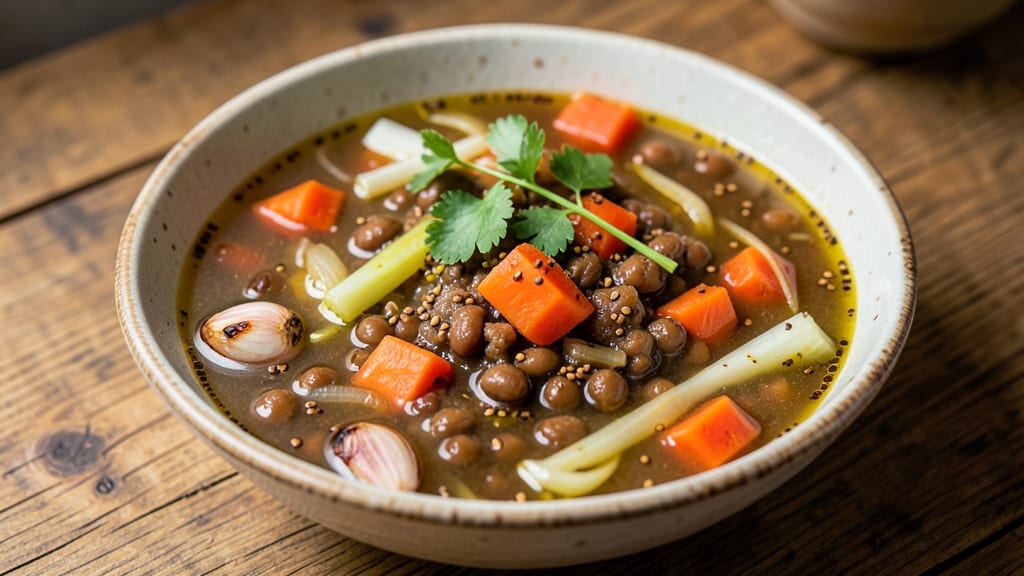
This basic bean soup recipe transforms humble ingredients into a nourishing, vegan-friendly meal that simmers with comforting depth. The secret lies in slow-cooked beans and aromatic vegetables that meld into a rich, flavorful broth—no fancy techniques required, just time and patience.
I developed this recipe during a particularly chilly season when I needed something hearty, filling, and easy to prepare without sacrificing flavor.
The beauty of this soup is its adaptability—swap in your favorite vegetables, adjust the spices to your taste, or even add a splash of vinegar for brightness. The beans soften perfectly while the vegetables caramelize, creating a symphony of textures and flavors.
It’s the kind of dish that tastes even better the next day, making it ideal for meal prep or feeding a crowd.
What you’ll end up with is a hearty, vegetable-packed soup that’s creamy from the beans, aromatic from the herbs, and deeply satisfying in every spoonful. The one-pot method means minimal cleanup, and the flavors only deepen as it simmers, ensuring a meal that’s both comforting and impressive.
Ready in about 45 minutes, this recipe proves that simple ingredients can deliver restaurant-quality results.
Serve it with crusty bread to soak up every last drop of that flavorful broth, or enjoy it as-is for a light yet filling meal. The best part?
You can customize it endlessly—add smoked paprika for a hint of smokiness, a bay leaf for earthy notes, or even a splash of hot sauce for a kick. Here’s how to make it.
Ingredients for basic bean soup
Pantry staples and fresh veggies—this one-pot bean soup delivers comfort in every spoonful.
| Ingredient | Amount | Notes |
|---|---|---|
| Dried Brown Lentils 🌾 | 1 cup | Rinsed thoroughly before cooking |
| Vegetable Broth 💧 | 4 cups | Low-sodium preferred for flavor control |
| Carrots 🥕 | 2 medium | Peeled and sliced into 1/4-inch rounds |
| Yellow Onion 🧅 | 1 whole | Diced into 1/4-inch pieces |
| Celery Stalks 🥬 | 2 whole | Diced into 1/4-inch pieces |
| Garlic Cloves 🧄 | 3 cloves | Minced finely for aromatic depth |
| Diced Tomatoes 🍅 | 1 can | San Marzano preferred for sweetness |
| Fresh Parsley 🌿 | ¼ cup | Chopped, for fresh finish |
| Fresh Thyme 🌿 | 1 tbsp | Leaves only, stems removed |
| Bay Leaf 🌿 | 1 whole | Removed before serving |
| Extra-Virgin Olive Oil 🫒 | 2 tbsp | For sautéing vegetables |
| Cumin Seeds 🌶️ | ½ tsp | Toasted lightly for aroma |
| Smoked Paprika 🌶️ | 1 tsp | For subtle smokiness |
| Sea Salt 🧂 | 1 ½ tsp | Diamond Crystal preferred |
| Black Pepper 🌶️ | ½ tsp | Freshly cracked for heat |
The lentils are the heart of this soup—brown lentils hold their shape beautifully while soaking up the broth's flavors. Trader Joe's and Whole Foods carry excellent bulk bins if you want to stock up, but any dried lentils will work. The key is rinsing them well before cooking to remove any debris. For the vegetables, freshness matters most—carrots should be firm with vibrant orange color, celery crisp, and onions with no soft spots. I always grab a bunch of fresh thyme and parsley from the grocery store's produce section—they're usually fresher than the dried spices for this kind of dish. The garlic? Use the freshest you can find—it makes all the difference in the final flavor.
No fresh herbs? Dried thyme at one-third the amount works in a pinch, though fresh is ideal. Short on carrots? Substitute with sweet potatoes or butternut squash—just increase cooking time by 10 minutes. The cumin seeds? Toast them in a dry pan for 30 seconds until fragrant before adding to the pot—this step is worth the extra minute. No smoked paprika? Regular paprika plus a pinch of liquid smoke gets you close. For the tomatoes, San Marzano cans are worth the splurge—they're sweeter and less acidic, but any good-quality canned tomatoes will do. The vegetable broth is non-negotiable here—low-sodium versions give you better flavor control.
This soup only gets better with time, so make a double batch—it reheats beautifully and tastes even more flavorful the next day. Store in an airtight container in the fridge for up to 5 days or freeze portions for 3 months. I like to portion it into meal prep containers so I can grab and go. The flavors meld perfectly overnight, making it ideal for busy weeknights. If you're prepping ahead, add the fresh herbs just before serving to keep their bright flavors intact.
Why You'll Love This Recipe
- Pantry Magic: I swear by this recipe when I forget to grocery shop—just lentils, broth, and whatever veggies are lurking in my crisper. The brown lentils soften into that perfect meaty texture while the onion and celery build a savory base that doesn’t require fancy techniques.
- Savory Depth: Here’s what sold me—the slow simmer lets the carrots caramelize just enough to sweeten the broth, while the lentils absorb all that umami goodness. It’s not fancy, but it’s ridiculously satisfying, like a hug in a bowl.
- Lunchbox Hero: Between us, this soup is my secret weapon for meal prep. I make a big batch on Sundays, and by Wednesday, I’m still digging into jars of it—hot or cold. The lentils hold up perfectly, and the flavors only get better over time.
- Budget Winner: Honestly? This recipe keeps me fed without breaking the bank. A bag of lentils and a box of broth stretch to feed four for under $8, and the leftovers? Even better the next day. My wallet and my freezer both thank me.
Step-by-step instructions for hearty vegetable-packed one-pot meal
This simple method delivers rich, flavorful bean soup with minimal effort and maximum comfort.
Toast Spices and Sauté Vegetables
Heat the 2 tablespoons extra-virgin olive oil in a large Dutch oven over medium heat. Add the ½ teaspoon cumin seeds and toast for 30 seconds until fragrant and lightly golden—this releases their warm, earthy aroma. Immediately add the diced yellow onion, celery stalks, and carrots, stirring to coat in the oil.
Cook for 5-6 minutes until the vegetables soften slightly and the onion becomes translucent. Here's the thing—don't rush this step. The vegetables need time to release their natural sweetness and develop flavor. Add the minced garlic cloves and 1 teaspoon smoked paprika, stirring for another 30 seconds until the garlic is golden but not burned.
Build the Soup Base
Pour in the 1 can diced tomatoes (with juices) and stir to combine with the vegetables. Let the mixture simmer for 2 minutes to meld the flavors. Add the 1 cup dried brown lentils, 1 whole bay leaf, 1.5 teaspoons sea salt, and ½ teaspoon black pepper, stirring gently to distribute everything evenly.
I like to add the lentils at this stage because they absorb the initial flavors from the sautéed vegetables and tomatoes. This creates a deeper, more complex base flavor before we add the broth. Pour in the 4 cups vegetable broth and bring the mixture to a gentle boil. Once boiling, reduce heat to low-medium and let it simmer uncovered for 20 minutes.
Simmer Until Lentils Are Tender
After 20 minutes, check the lentils for tenderness. They should be soft but still hold their shape—press one with a fork. If they're still firm, continue simmering for another 5-10 minutes until they're tender but not mushy. This is where patience pays off; overcooking turns lentils into a paste.
While the soup simmers, I always taste it occasionally. Adjust seasoning if needed—sometimes the broth needs more salt, or the tomatoes could use a pinch of sugar to balance acidity. The soup should have a rich, earthy flavor with a hint of smokiness from the paprika.
Finish with Fresh Herbs
Once the lentils are tender, remove the whole bay leaf and stir in the 1 tablespoon fresh thyme leaves and ¼ cup chopped fresh parsley. These herbs add bright, fresh notes that cut through the richness of the lentils and vegetables. Let the soup simmer for another 2-3 minutes to allow the herbs to infuse their flavors.
Here's a pro tip: If the soup is too thick, add a splash of water or broth to reach your preferred consistency. The soup should coat the back of a spoon but still be easy to ladle. Taste one final time and adjust seasoning if needed—this is your chance to perfect the balance of flavors.
Serve Warm with Crusty Bread
Ladle the soup into bowls and serve immediately. The aroma alone will make your kitchen feel like a cozy restaurant. I always serve this with a slice of crusty bread to soak up every last drop of that flavorful broth. The combination of tender lentils, sweet carrots, and aromatic herbs creates a satisfying, hearty meal that's perfect for chilly days.
This one-pot method keeps cleanup to a minimum while delivering maximum flavor. The key is letting the ingredients develop their flavors slowly—rushing never leads to the best results. Enjoy your homemade bean soup, and don't forget to save leftovers for an even better second day!
Pro Tips For Making Basic Bean Soup
- Soak the Lentils First: Skip the soaking if you’re in a rush, but if you’ve got 30 minutes, give those brown lentils a quick soak in warm water. I learned this the hard way—skipping it means your soup might turn into a thick paste instead of a smooth, creamy texture. Even 20 minutes makes a difference.
- Sweat the Veggies Low: Don’t rush the onion, carrot, and celery—cook them on medium-low heat for at least 8 minutes until they’re soft and translucent. After burning three batches, I finally figured out that high heat just burns them before they release their flavor. Let them simmer gently, and you’ll taste the difference.
- Add Broth Gradually: Don’t dump all the vegetable broth in at once. Start with half, simmer the lentils until they’re mostly tender, then add the rest. This keeps the soup from getting watery and ensures the lentils absorb flavor evenly. I was skeptical until I tried it—now it’s non-negotiable.
- Strain and Reuse the Veggie Water: After chopping carrots, onion, and celery, save the veggie scraps in a bag in the freezer. When it’s full, boil them down into a quick broth for your next soup. This isn’t the prettiest method, but it’s the tastiest—and it cuts your broth cost in half. (Yes, even if you’re impatient like me.)
Common mistakes when making this recipe
Skipping the Rinse
I can’t stress enough how important it is to rinse your dried lentils before adding them to the pot. Unrinsed lentils often contain dust or debris that can make your soup taste gritty.
I’ve made this mistake more than once—trust me, the texture difference is noticeable. Just give them a quick rinse under cold water in a fine-mesh strainer before cooking. 🌾
Ignoring the Sauté
One of the biggest flavor killers is skipping the sautéing step for the vegetables. When you cook onions, carrots, and celery until they soften slightly, you’re drawing out their natural sweetness and building a rich base for the soup.
If you rush this step or skip it entirely, your soup will taste flat and one-dimensional. Take those 5-6 minutes—it’s worth it!
Overcooking the Lentils
Lentils are forgiving, but they can easily turn mushy if left too long in the pot. The goal is tender but still firm lentils—they should hold their shape when pressed with a fork.
I’ve seen people walk away from the stove and return to find their soup transformed into a thick, paste-like consistency. Check them at the 20-minute mark and taste-test occasionally to avoid this common pitfall.
Using High Heat
Simmering on high heat might seem like a good way to speed things up, but it actually steams the broth instead of building flavor. The ideal temperature is a gentle simmer—you should see small bubbles at the edges but not a rolling boil.
High heat can also cause the lentils to break down too quickly. Keep it at low-medium heat for the best results. 🌡️
Adding Herbs Too Early
Fresh herbs like thyme and parsley should be added at the very end of cooking. If you toss them in too soon, they’ll turn bitter and lose their bright, fresh flavor.
I always remove the bay leaf before serving, but I wait until the last 2-3 minutes to add the fresh herbs. This ensures they contribute their vibrant notes without overpowering the dish.
Neglecting Taste Tests
Many home cooks forget to taste as they go, which means they might end up with a soup that’s either bland or over-seasoned. I always take a spoonful after adding the broth and adjust the salt, pepper, or even a pinch of sugar if needed.
This small habit makes a huge difference in the final flavor. Don’t be afraid to tweak it—your taste buds are your best tool! 💡
Nutrition facts
Frequently asked questions
Can I use canned beans instead of dried lentils?
Swap the 1 cup dried brown lentils for 1.5 cups cooked canned beans (like kidney, black, or pinto). Drain and rinse them first to remove excess sodium. Canned beans cut cooking time significantly—just add them with the broth and simmer for 10 minutes to meld flavors.
How do I make this soup creamier without dairy?
Blend ½ cup of the soup with ¼ cup water until smooth, then stir it back in. For extra richness, add 1 tablespoon nutritional yeast or 2 tablespoons coconut milk at the end. The lentils naturally create a creamy texture when cooked properly—just avoid over-simmering!
Can I make this in an Instant Pot?
Yes! Sauté the veggies as directed, then add all ingredients except herbs. Cook on high pressure for 10 minutes, followed by a natural release. Add fresh herbs after releasing pressure. The Instant Pot version cooks 30 minutes faster but requires the same flavor-building steps.
What if my soup tastes too acidic?
Balance acidity by adding a pinch of sugar or a splash of 1 teaspoon apple cider vinegar to brighten flavors. For a richer taste, stir in ½ teaspoon soy sauce (for umami depth). Always taste as you go—this soup is highly customizable!
How can I add more protein?
Boost protein with ½ cup cooked quinoa or 1 cup chopped firm tofu (pan-fried first). For meat-eaters, add ½ pound shredded chicken after simmering. The lentils already provide 18g protein per cup, making this a complete plant-based meal!