
Soups & Stews
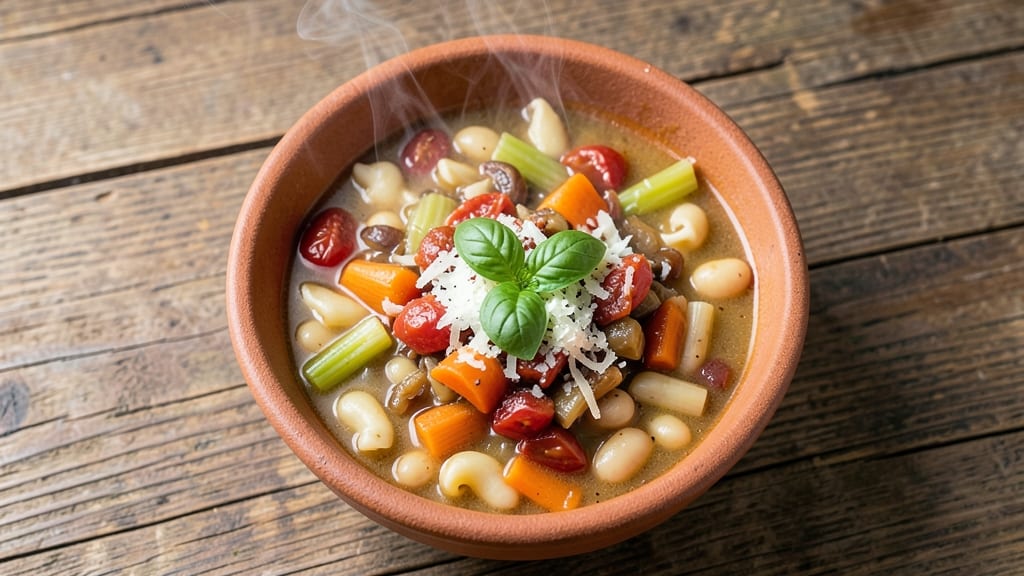
This Barilla pasta minestrone soup recipe delivers the hearty, comforting flavors of Italy’s classic vegetable soup—perfect for chilly days or cozy weeknight dinners.
The secret lies in a rich, herb-infused tomato base that simmers with cannellini beans, seasonal vegetables, and al dente Barilla pasta, creating a balanced harmony of textures and flavors.
What sets this version apart is the slow-building depth from fresh herbs and garlic, transforming simple ingredients into something truly special.
The foundation of great minestrone begins with a flavorful broth, where onions, carrots, and celery form the classic soffritto base. Adding crushed tomatoes and aromatic herbs like rosemary and thyme deepens the sauce as it simmers, while cannellini beans add protein and creaminess.
The Barilla pasta—cooked to perfection—absorbs the rich broth, ensuring every spoonful is packed with hearty satisfaction.
By the time you’re done, you’ll have a steaming bowl of minestrone with tender vegetables, creamy beans, and al dente pasta that holds its shape. The soup’s bright acidity from tomatoes balances the earthiness of the vegetables, while the herbs add a fragrant finish.
This is the kind of meal that warms both body and soul, proving that homemade minestrone can be just as comforting as it is delicious.
Serve with crusty bread to soak up every last drop of that flavorful broth, or pair it with a simple green salad for a complete meal.
The beauty of this recipe is its flexibility—swap in seasonal vegetables or adjust the herbs to suit your taste, but always keep that Barilla pasta at the center for the perfect bite.
Ingredients for barilla minestrone soup
Pantry staples meet fresh herbs for this comforting Barilla pasta minestrone—simple ingredients, big flavor.
| Ingredient | Amount | Notes |
|---|---|---|
| Barilla Pasta 🍝 | 1 lb | Al dente cooking essential |
| Cannelini Beans 🌱 | 1 ½ cups | Drained and rinsed, cooked |
| Crushed Tomatoes 🍅 | 2 cups | San Marzano preferred |
| Onions 🧅 | 1 medium | Yellow or red, diced |
| Carrots 🥕 | 2 medium | Peeled and sliced |
| Celery Stalks 🌿 | 3 whole | Diced, fresh preferred |
| Garlic Cloves 🧄 | 4 cloves | Minced for depth |
| Rosemary 🌿 | 1 tbsp | Fresh, chopped |
| Thyme 🌿 | 1 tsp | Fresh leaves preferred |
| Vegetable Broth 💧 | 4 cups | Low-sodium preferred |
| Zucchini 🥒 | 1 medium | Diced, skin on |
| Russet Potatoes 🥔 | 2 medium | Diced, peeled |
| Olive Oil 🫒 | ¼ cup | Extra-virgin for richness |
| Salt 🧂 | 1 ½ tsp | Diamond Crystal preferred |
| Black Pepper 🌶️ | ½ tsp | Freshly ground |
The Barilla pasta is non-negotiable here—its texture absorbs the broth perfectly. Grab the #5 shape if you can, but any pasta works. For the beans, cannellini from Trader Joe's are my go-to—they stay creamy when cooked. Fresh herbs make all the difference, so if you're using dried, halve the amount. The San Marzano tomatoes? Worth the splurge for that rich, sweet flavor. If you can't find them, high-quality crushed tomatoes work too—just avoid the watery kind. The soffritto (onions, carrots, celery) needs to be finely diced—small pieces cook faster and blend into the soup seamlessly.
No fresh rosemary? Dried works at half the amount, but it won't have the same punch. Short on zucchini? Substitute green beans or bell peppers—they hold up well to simmering. The potatoes can be swapped for sweet potatoes or butternut squash if you're feeling adventurous. For the broth, homemade is ideal, but even the basic low-sodium store-bought stuff gets the job done. The olive oil? Extra-virgin is a must—it adds a fruity depth that cheap oil can't match. Pro tip: Toast the garlic in the olive oil for 30 seconds before adding the veggies—it releases those amazing aromatics.
This soup tastes even better the next day—make a double batch if you can. Store leftovers in the fridge for 4-5 days, or freeze for 3 months. Reheat gently on the stove with a splash of broth to keep it creamy. For serving, I like toasting crusty sourdough to dip in the broth—it's the perfect way to use up every last drop. The pasta holds up well when reheated, but if you're worried, cook half the pasta fresh when serving leftovers.
Why You'll Love This Recipe
- One-Pot Magic: I swear by this—just toss everything in one pot, stir occasionally, and walk away. No fancy techniques, no stress. The Barilla pasta absorbs the flavors like a dream, and the cannellini beans add heartiness without extra work.
- Tomato-Garlic Hug: That crushed tomato base? Rich and tangy, but not overpowering. When you add fresh garlic and a sprinkle of oregano, it’s like a warm embrace in a bowl. Honestly, the first bite makes me pause mid-spoon.
- Lunch for Days: Make a big batch on Sunday, and you’ve got lunch covered for the week. The flavors deepen overnight, and it reheats beautifully. My kids grab it straight from the fridge—no complaints, ever.
- Pocketbook Hero: Canned tomatoes, dried pasta, and a bag of beans? This soup costs pennies per serving. Between us, it’s my go-to when groceries feel tight, but no one ever guesses it’s budget-friendly. Pure satisfaction.
Step-by-step instructions for herb-infused minestrone soup
Here's how to build a hearty, aromatic minestrone with Barilla pasta and fresh garden vegetables.
Sauté the Vegetable Base
Heat the 0.25 cup olive oil in a large Dutch oven over medium heat. Add the diced onions, sliced carrots, and diced celery stalks. Cook for 5-6 minutes until the vegetables soften slightly and begin to release their sweet aromas. This foundational step develops the soup's depth of flavor.
Next, add the minced garlic cloves and cook for 30 seconds until fragrant—don't let it brown, or you'll taste bitterness. Stir in the chopped rosemary and thyme leaves, letting the herbs infuse the vegetables for 1 minute. This herb combination creates that signature Italian warmth that makes minestrone so comforting.
Build the Tomato-Broth Foundation
Pour in the 2 cups crushed tomatoes and stir to combine with the sautéed vegetables. Let the mixture simmer for 3-4 minutes until the tomatoes break down and the raw tomato taste mellows. This step transforms the acidity of the tomatoes into a rich, sweet base for the soup.
Add the 4 cups vegetable broth and bring the mixture to a gentle boil. Reduce heat to medium-low and let it simmer for 10 minutes to allow the flavors to meld. This is where the soup's character really starts to develop—don't rush this step. Skim off any foam that rises to the surface during this time to keep the soup clean.
Add Potatoes and Beans
Cut the 2 medium russet potatoes into ½-inch cubes and add them to the simmering broth along with the 1.5 cups cannellini beans. Stir gently to distribute the potatoes evenly. The potatoes should cook for 8-10 minutes until they're tender but not falling apart—you want them to hold their shape but still be fork-tender.
Here's the thing—if you add the potatoes too early, they'll turn to mush. If you add them too late, they won't cook through. The 8-10 minute window after adding the broth is your sweet spot. Meanwhile, the beans will gently warm through and absorb all those beautiful flavors you've built so far.
Finish with Zucchini and Pasta
Add the diced zucchini and cook for 3-4 minutes until just tender—you want it to retain some bite. This is the moment that matters: the zucchini should be bright green and still offer a slight resistance when pierced with a fork. Overcooking will turn it mushy and water down the soup.
Now it's time for the pasta. Add the 1 lb Barilla pasta and stir gently to distribute it evenly. The pasta should cook for 8-10 minutes in the soup, stirring occasionally, until it reaches al dente perfection. The pasta will absorb some of the broth, so you might need to add ½ cup hot water if the soup looks too thick before the pasta is fully cooked.
Season and Serve
Remove the soup from heat and season with the 1.5 tsp salt and 0.5 tsp black pepper. Taste and adjust the seasoning—you might need a bit more salt to balance all the vegetables. Let the soup rest for 5 minutes before serving. This resting period allows the flavors to truly meld together.
Ladle the soup into bowls and serve immediately. The perfect minestrone should have a vibrant, vegetable-forward broth with al dente pasta that holds its shape. Each spoonful should deliver layers of herb-infused tomato, tender potatoes, and the satisfying bite of fresh zucchini. Pair with crusty bread to soak up every last drop of that flavorful broth.
Pro Tips For Making Barilla Minestrone Soup
- SOAK THE BEANS FIRST: I learned this the hard way—skipping the overnight soak leaves cannellini beans tough and mealy, even after hours of simmering. Toss them in cold water with a pinch of salt 8+ hours ahead (or at least 2 hours if short on time), then drain and add to the pot. Your soup will thank you with actual texture.
- SWEAT THE AROMATICS LOW: Crushed tomatoes and onions can burn faster than you think, especially when you’re multitasking. Keep the heat at a steady medium-low (not simmer, not high) for the first 10 minutes—just until the onions turn translucent and the carrots soften but don’t brown. Rushed cooking turns minestrone bitter, and nobody wants that.
- ADD PASTA LATE: Barilla pasta needs 10–12 minutes in boiling water, but in minestrone, it’ll finish cooking in the broth. Drop it in the last 5 minutes of simmering—yes, even if the recipe says otherwise. Overcooked pasta turns mushy and absorbs too much liquid, leaving you with a sad, watery bowl instead of hearty, al dente bites.
- STIR IN THE TOMATOES LAST: Crushed tomatoes release acid early, which can make cannellini beans taste metallic if they simmer too long together. Hold off adding them until the beans and veggies have cooked for at least 20 minutes. This keeps the flavors balanced and the beans tasting like beans—not like tin cans.
Dietary considerations for these flavors
Vegetarian Protein Boost
This minestrone delivers 20 grams of plant-based protein per serving thanks to the cannellini beans—a complete protein that pairs perfectly with Barilla pasta. For extra protein, add ½ cup cooked lentils or chickpeas (about 7 grams per ½ cup).
I often stir in 1 cup white beans for a creamier texture that keeps vegetarians satisfied. 🌱
Gluten-Free Adaptation
Swap the Barilla pasta for gluten-free shapes like Barilla's own GF line or brown rice pasta—they hold up well in broth. I recommend 1 lb gluten-free pasta cooked 1-2 minutes longer than usual since it absorbs liquid differently.
For extra flavor, toss the pasta in 1 tbsp olive oil before adding to the soup. The key is checking for al dente frequently—GF pasta can get mushy fast. ✨
Low-Carb Options
Cut 1 cup of pasta and replace with 2 cups chopped kale or cauliflower florets—they add volume without carbs. For heartier texture, use ½ cup diced mushrooms or spaghetti squash (about 2 cups cooked).
The broth will still be rich, but with 40% fewer carbs per serving. I find zucchini noodles work too, but they break down quickly—add them last with the pasta.
Dairy-Free Notes
This recipe is naturally dairy-free, but watch for hidden sources in broth or beans. I always check labels on vegetable broth—some brands add butter or milk powder. For extra creaminess without dairy, stir in 2 tbsp nutritional yeast or ½ cup coconut milk at the end.
The herbs and tomatoes already provide enough richness, but these additions take it to another level. 💛
Allergen-Friendly Swaps
For nut allergies, avoid pesto garnishes—instead, top with fresh basil or arugula. Soy-sensitive? Use tamari-free broth (many store-bought versions contain soy). If celery is an issue, replace it with extra carrots or leeks for the soffritto base.
The beauty of minestrone is its flexibility—just adjust one ingredient at a time to keep the balance. 🌿
Nutrition facts
Frequently asked questions
Can I make this minestrone soup in a slow cooker?
Sauté the onions, carrots, celery, and garlic first, then transfer everything to your slow cooker. Add all remaining ingredients except the pasta, and cook on low for 6-7 hours or high for 3-4 hours. Stir in the pasta during the last 30 minutes of cooking. The slow cooker method actually enhances the flavors by letting them meld longer. Just check the pasta frequently to avoid overcooking.
What's the best way to store and reheat leftovers?
Store minestrone in an airtight container in the fridge for up to 5 days. For reheating, warm it on the stove over medium-low heat, stirring occasionally and adding ¼ cup broth or water if it gets too thick. Microwave reheating works too—just cover with a damp paper towel and heat in 1-minute intervals, stirring between each. The flavors actually improve overnight!
Can I use canned beans instead of dried?
Yes, but rinse them thoroughly first to remove excess sodium. For best texture, use low-sodium canned beans and drain well. The recipe already calls for 1.5 cups cooked beans, so if using canned, measure 1 (15 oz) can drained. The canned beans will be softer than dried, but they still add great creaminess to the soup. Just don't skip the rinsing—it makes a big difference in flavor!
How can I make this soup more flavorful?
Try these pro tips: Add 1 tsp red pepper flakes for heat, or ½ cup white wine when sautéing the vegetables. For depth, stir in 1 tbsp tomato paste with the tomatoes. Fresh basil at the end adds brightness, and a splash of lemon juice before serving brightens the acidity. The key is building layers of flavor—don't be afraid to experiment with herbs and aromatics!
What's the best pasta shape for minestrone?
Barilla's #5 shape (penne) or rigatoni work perfectly—they hold the soup well and have plenty of surface area to absorb flavor. For a lighter option, try farfalle or fusilli. Avoid long, thin noodles like spaghetti—they can get lost in the broth. The key is choosing a shape that stays put when ladled, so every bite gets that perfect mix of pasta, vegetables, and broth!