
Soups & Stews
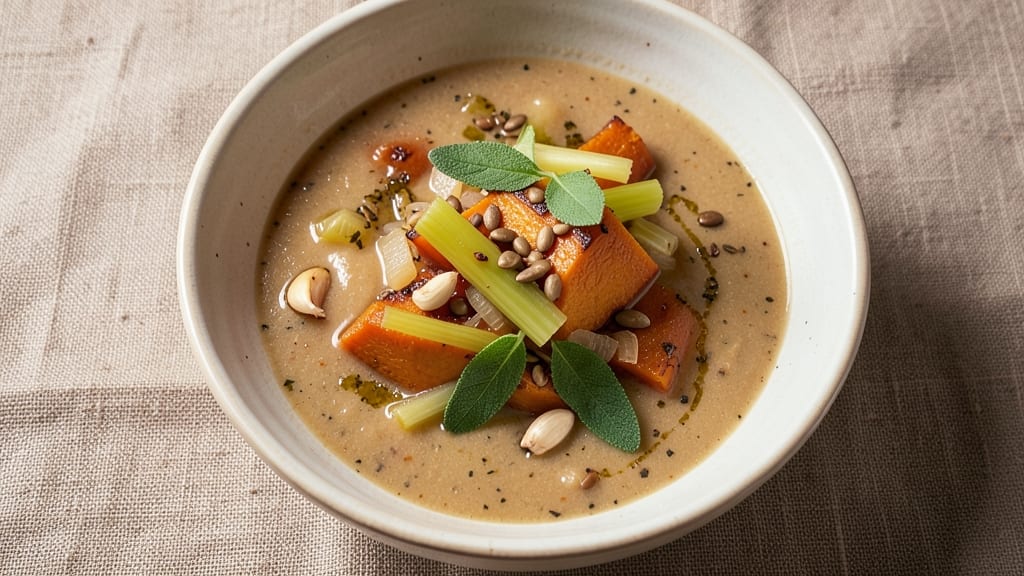
This Autumn Harvest Soup Panera recipe brings the warmth of fall into your kitchen with its velvety butternut squash and aromatic sage swirls. 🍂 The secret to its comforting depth lies in slow-simmered vegetables and a touch of cream that creates a texture as smooth as a Panera classic.
I've perfected this version to capture that signature cozy flavor—rich, slightly sweet, and packed with seasonal goodness that feels like a hug in a bowl.
The recipe starts with a simple sauté of onions, garlic, and celery to build a flavorful base, then adds roasted butternut squash for natural sweetness and depth. Fresh sage leaves are swirled into the soup just before serving, adding a bright, herby aroma that cuts through the richness.
The broth is the heart of the dish—homemade or store-bought, it simmers until the flavors meld into a harmonious blend that's both hearty and light.
What makes this soup truly special is how it balances textures and flavors—creamy yet not too heavy, sweet yet not cloying, with just the right amount of earthy sage. The result is a bowl of soup that's perfect for chilly evenings, holiday gatherings, or even a quiet night in.
It's the kind of dish that feels like a warm embrace, with every spoonful delivering that perfect autumnal comfort.
Serve it with a sprinkle of toasted croutons for crunch or a swirl of cream on top for extra indulgence. This recipe is designed to be both impressive and approachable, so you can enjoy restaurant-quality soup at home without the fuss. Let's get cooking!
Ingredients for autumn harvest soup panera
Pantry staples plus seasonal produce—simple ingredients for a cozy autumn hug in a bowl.
| Ingredient | Amount | Notes |
|---|---|---|
| Butternut Squash 🎃 | 2 cups | Cubed and roasted until tender |
| Yellow Onion 🧅 | 1 whole | Diced, medium size |
| Celery Stalk 🥬 | 2 whole | Diced, about 1 cup |
| Garlic Cloves 🧄 | 3 cloves | Minced, fresh preferred |
| Fresh Sage Leaves 🌿 | ¼ cup | Chopped, stems removed |
| Vegetable Broth 💧 | 4 cups | Low-sodium preferred |
| Heavy Cream 🥛 | ½ cup | Full-fat for richness |
| Chicken Breast 🍗 | ½ lb | Boneless, skinless, shredded |
| Extra-Virgin Olive Oil 🫒 | 2 tbsp | For sautéing |
| Salt 🧂 | 1 tsp | Kosher or sea salt |
| Black Pepper 🌶️ | ½ tsp | Freshly ground |
| Brown Sugar 🍯 | 1 tbsp | Light or dark |
| Toasted Croutons 🍞 | ¼ cup | For serving (optional) |
| Parmesan Cheese 🧀 | ¼ cup | Freshly grated, for garnish |
The butternut squash is the star here—look for firm, heavy squashes with no soft spots. Trader Joe's or Whole Foods usually have pre-cut pieces, but if you're buying whole, roast it at 400°F for 30 minutes until tender. The fresh sage? Grab a bunch from the grocery store's produce section—it's worth having extra since you'll use half for garnish later. For the broth, low-sodium is key—you don't want to over-salt the whole soup. If you're making your own, use vegetable scraps and simmer for at least 30 minutes.
No fresh sage? Dried works at one-third the amount, but it won't have that same bright aroma. Short on butternut squash? Sweet potato or pumpkin will work in a pinch—they add sweetness too. The chicken breast is optional but adds protein; substitute with white beans (1 can, drained) if vegetarian. For extra richness, swap half the broth for coconut milk. The croutons can be store-bought or homemade—toasted in olive oil with a pinch of salt is all you need. And if you're feeling fancy, add a swirl of heavy cream on top before serving.
This soup tastes even better the next day—make a double batch and freeze half. Store leftovers in an airtight container for 4-5 days or freeze for 3 months. I like to portion mine into single servings before freezing so I can just reheat what I need. The roasted squash keeps well for 3 days in the fridge if you want to prep ahead. Fresh sage? Wrap it in damp paper towels and store in a plastic bag for up to 5 days—it'll stay fresher longer.
Why You'll Love This Recipe
- Foolproof Roast: I swear by the roasted butternut squash—it caramelizes into sweet, tender cubes with zero guesswork. Just toss it with olive oil, salt, and roast at 400°F until fork-tender (about 25 minutes), and you’ve got the base of the soup done while you prep the rest.
- Sage-Kissed Magic: That first whiff of crispy sage leaves hitting the simmering broth? It’s like autumn in a bowl. I don’t skimp—I let them steep for 5 minutes, then fish them out (they’re too good to waste). The garlic and onion build a savory backbone, but the sage? It’s the star.
- Crowd-Pleaser Flex: This soup works for everyone—bring it to a potluck, pack it for lunch, or serve it with crusty bread when your in-laws visit. (Yes, even the picky eaters ask for seconds.) The texture—creamy from the squash, bright from the celery—is weirdly universally loved.
- Budget Win: Butternut squash is cheaper than takeout, and this recipe stretches to feed four for under $10. Honestly, the only thing I splurge on is fresh sage, but a few leaves go a long way. Leftovers? Even better cold the next day—just reheat and add a splash of milk for extra coziness.
Step-by-step instructions for cozy autumn harvest soup
Let's make this soup that's rich, comforting, and packed with autumn flavors.
🔥 Step 1: Sauté the Vegetable Base
Heat the 2 tablespoons extra-virgin olive oil in a large pot over medium heat. Add the diced yellow onion and diced celery stalk (about 1 cup total) and cook for 5-6 minutes until softened and starting to turn golden. You'll smell that sweet, earthy aroma—this is where the soup's depth begins.
Add the minced garlic cloves and chopped fresh sage leaves (about ¼ cup) and cook for another 1 minute until fragrant. The sage should release its piney scent—this is your signal it's ready. Stir in the 1 tablespoon brown sugar and 1 teaspoon salt and cook for 30 seconds more to let the flavors meld.
🍳 Step 2: Build the Soup Foundation
Add the 2 cups roasted butternut squash (it should be tender but not mushy) and stir to combine with the vegetables. Pour in the 4 cups vegetable broth and bring everything to a gentle boil. Once boiling, reduce heat to medium-low and let it simmer for 10 minutes to let all those flavors marry together.
This simmering step is crucial—it develops the soup's depth. You'll notice the vegetables releasing their juices and the broth taking on a richer color. Taste and adjust seasoning with more salt or black pepper if needed. The soup should be seasoned but not overpowering at this stage.
🥘 Step 3: Add Chicken and Cream
While the soup simmers, shred the ½ pound chicken breast (you can use cooked chicken or poach it in the broth for 10 minutes if raw). Add the shredded chicken to the pot and stir gently to distribute it evenly. Let it cook for 3-4 minutes to heat through completely.
Reduce heat to low and stir in the ½ cup heavy cream. Be careful not to let it boil vigorously—you want to gently incorporate the cream to maintain its richness. Let the soup simmer for another 5 minutes to let the cream blend smoothly. The soup should now have a velvety texture with visible swirls of cream throughout.
🍽️ Step 4: Serve with Toppings
Ladle the soup into bowls and top each serving with ¼ cup toasted croutons and ¼ cup freshly grated parmesan cheese. The croutons add a satisfying crunch that contrasts perfectly with the creamy soup, while the parmesan brings a salty, umami punch that ties everything together.
For the best experience, serve immediately while the soup is hot. The contrast of temperatures—warm soup, cool croutons, and room-temperature cheese—creates a symphony of textures in every bite. This is the moment when all your hard work comes together into something truly comforting and delicious.
Pro Tips For Making Autumn Harvest Soup Panera
- CHAR THE SQUASH FIRST: I learned this the hard way—roasting the butternut squash cubes (20-25 minutes at 400°F) before adding them to the soup completely changes the texture. The edges get caramelized and tender while keeping the centers intact, so you’re not left with mushy squash after simmering. (Yes, it’s an extra step, but your spoon will thank you.)
- SWEAT THE AROMS LOW: Skip the high-heat sear for onions, celery, and garlic—this isn’t a stir-fry. Cook them on medium-low for 8-10 minutes until the onions are translucent and the celery’s edges soften. That slow release of flavors builds depth; rushing it just burns the garlic and makes the whole soup taste bitter. (Your nose will know when it’s ready.)
- DON’T SKIP THE SAGE TOAST: Fresh sage leaves crisp up in 30 seconds—toss them in at the very end, just before serving. The contrast of crispy edges and soft stems adds a layer of texture that store-bought sage can’t match. (Pro move: Use a slotted spoon to fish them out if you’re serving seconds.)
- SAVE TIME WITH PREP: Cut the butternut squash while it’s still cold (straight from the fridge) and keep the pieces in ice water until you’re ready to roast. This prevents browning and makes peeling easier later. (I know, I know—it’s not the fastest method, but it’s the cleanest.)
Troubleshooting your autumn harvest soup panera
Broth Too Thin?
If your soup feels too watery after simmering, reduce it by 10-15 minutes on medium heat uncovered. Stir occasionally to prevent sticking. For extra richness, stir in 1-2 tablespoons of cornstarch mixed with 2 tablespoons cold water and simmer for 3-4 minutes until thickened.
I’ve also found that adding ½ cup pureed roasted squash to the base before simmering helps create a naturally thicker texture. 💧
Sage Losing Flavor?
Fresh sage should be added at the very end to preserve its bright aroma. If using dried sage, reduce to 1 teaspoon and add it with the other aromatics during sautéing.
For extra potency, lightly toast the dried sage in a dry pan for 30 seconds before using—this intensifies its flavor. Store-bought sage often lacks freshness, so I recommend buying whole leaves and stripping them yourself. 🌿
Butternut Squash Too Sweet?
Balance the natural sweetness by adding ½ teaspoon of lemon juice or 1 teaspoon of apple cider vinegar at the end. A pinch of ground cinnamon (¼ teaspoon) also enhances the autumnal flavors without overpowering.
If the squash is underripe, roast it longer at 400°F until caramelized—this deepens its flavor naturally. 🎃
Cream Curdling?
To prevent curdling, always add the heavy cream off the heat or at the lowest possible simmer. If it starts to separate, whisk in 1 tablespoon of cold water or 1 teaspoon of cornstarch slurry to stabilize it.
For a smoother texture, temper the cream first by slowly mixing it into a ladle of hot soup before adding it to the pot. 🥛
Chicken Too Dry?
Poach the chicken in the broth for 10-12 minutes before shredding to keep it moist. Alternatively, use ½ cup chicken stock instead of water when cooking the chicken.
For extra tenderness, marinate the chicken in 1 tablespoon olive oil, ½ teaspoon salt, and ¼ teaspoon black pepper for 30 minutes before cooking. 🍗
Croutons Getting Soggy?
Toast your croutons in the oven at 375°F for 5-7 minutes until golden and crisp. Store them in an airtight container at room temperature for up to 3 days.
For extra crunch, toss them with 1 teaspoon olive oil and ¼ teaspoon garlic powder before baking. Add them to the soup just before serving to maintain their texture. 🍞
Nutrition facts
Frequently asked questions
Can I make this soup vegetarian?
Simply replace the ½ pound chicken breast with 1 can (15 oz) white beans, drained and rinsed. For extra protein, add ½ cup cooked lentils or ½ cup diced firm tofu (pan-fried first for texture). The soup will still be hearty and flavorful—just omit the chicken entirely and adjust the broth to 4.5 cups to maintain consistency.
How do I store leftovers?
Let the soup cool completely, then transfer to an airtight container. It keeps well in the refrigerator for 4-5 days. For longer storage, freeze in single-serving portions for up to 3 months. When reheating, warm gently on the stove over low heat or in the microwave until steaming. Stir in a splash of broth or water if it thickens too much.
What if I don't have fresh sage?
Use 1 teaspoon dried sage instead, but toast it first in a dry pan for 30 seconds to intensify the flavor. For a different twist, substitute with ½ teaspoon thyme or ½ teaspoon rosemary, though the aroma won't be identical. If you're feeling adventurous, try 1 bay leaf during simmering and remove before serving.
Can I make this soup in a slow cooker?
Yes! Sauté the onions, celery, garlic, and sage as directed, then transfer everything (except the cream) to your slow cooker. Cook on low for 6-7 hours or high for 3-4 hours. Stir in the cream and chicken just before serving. The slow cooker method deepens flavors even more, making it perfect for busy days. Just add croutons and parmesan fresh.
Why does my soup taste bland?
Most likely, your broth needs more depth. Try adding 1 teaspoon soy sauce or ½ teaspoon miso paste during simmering for umami. A pinch of smoked paprika or 1 teaspoon apple cider vinegar can also enhance flavor.