
Soups & Stews
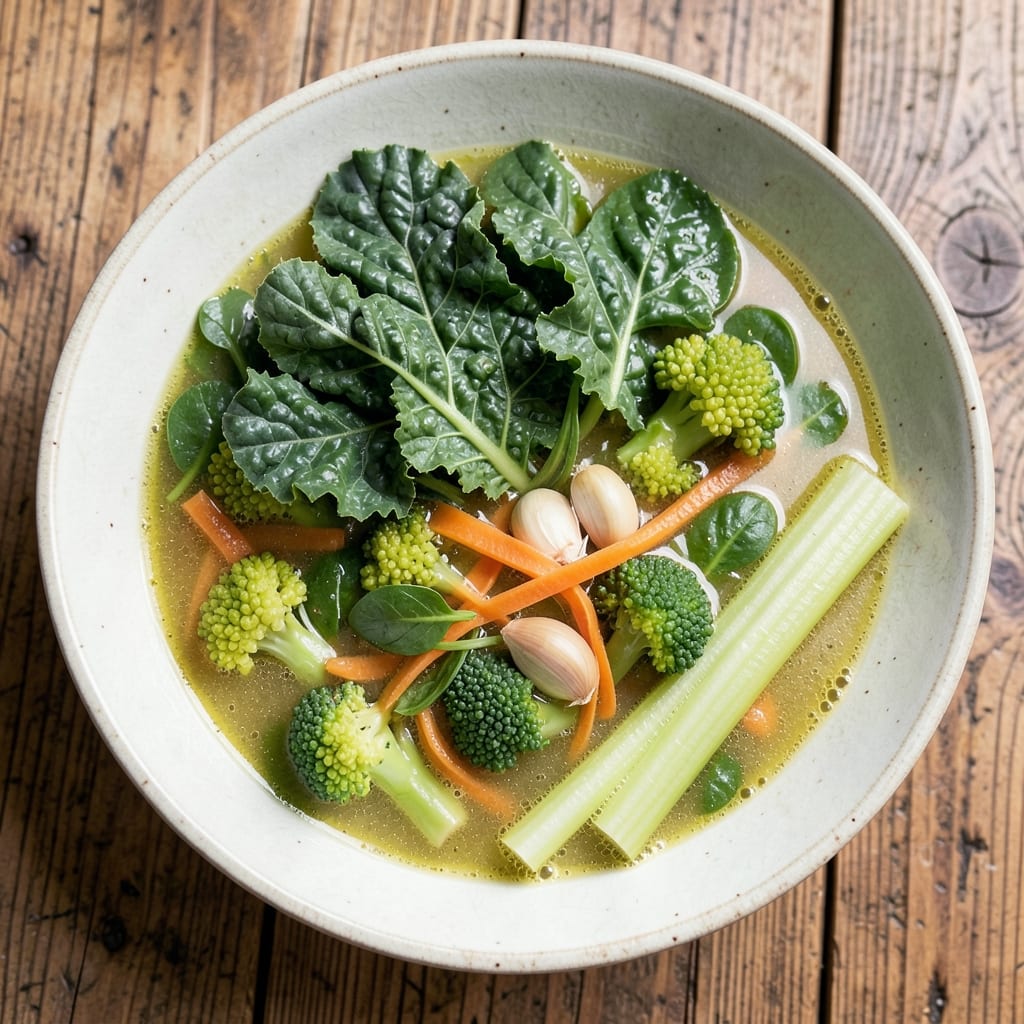
This alkaline vegetable soup recipe transforms simple greens into a gut-healing elixir with a bright lemon-ginger kick. The secret lies in balancing pH-friendly ingredients—leafy greens, cruciferous veggies, and a touch of baking soda (used carefully)—while preserving vibrant flavor. I developed this after years of experimenting with alkaline diets, and it’s become my go-to for digestion support and detoxification.
The beauty of this soup is its simplicity: no complex techniques, just nutrient-dense vegetables simmered with aromatic ginger, garlic, and a squeeze of lemon. The result is a light yet satisfying broth that’s rich in minerals and antioxidants, perfect for meal prep or a quick lunch. The baking soda (just a pinch!) helps maintain alkalinity without overpowering the natural taste.
What makes this recipe stand out is its versatility—adapt it with seasonal greens, mushrooms, or even a splash of coconut milk for creaminess. Each bowl delivers a refreshing, hydrating experience that’s gentle on the stomach while packed with flavor. Serve warm or chilled for a meal that nourishes both body and soul.
Whether you’re new to alkaline cooking or a seasoned pro, this soup is a foolproof way to incorporate healing ingredients into your routine. Let’s get started—your gut will thank you.
Ingredients for alkaline vegetable soup
Gut-soothing greens, zesty citrus, and aromatic roots create this alkaline elixir.
| Ingredient | Amount | Notes |
|---|---|---|
| Organic Kale Leaves 🥬 | 4 cups | Chopped, stems removed |
| Baby Spinach 🌿 | 3 cups | Packed, loosely packed |
| Broccoli Florets 🥦 | 3 cups | Fresh or frozen |
| Carrot Slices 🥕 | 1 cup | Thinly sliced or baby carrots |
| Celery Stalks 🧅 | 2 whole | Chopped, leafy parts removed |
| Garlic Cloves 🧄 | 3 cloves | Fresh, minced |
| Fresh Ginger Root 🌿 | 1 tbsp | Grated, peeled |
| Extra-Virgin Olive Oil 🫒 | ¼ cup | Cold-pressed, fruity |
| Vegetable Broth 💧 | 4 cups | Low-sodium, homemade preferred |
| Fresh Lemon Juice 🍋 | 2 tbsp | Cold-pressed, organic |
| Baking Soda 🧪 | ¼ tsp | Pure, food-grade |
| Fresh Turmeric Root 🌿 | ½ tsp | Grated, organic |
| Sea Salt 🧂 | ½ tsp | Unrefined, fine grain |
| Fresh Cilantro Leaves 🌿 | ¼ cup | Chopped, for garnish |
The greens are the heart of this soup—organic kale and spinach pack the most alkalizing punch. Whole Foods or local farmers markets carry the freshest options, but even the grocery store's pre-washed greens work in a pinch. For broccoli, frozen florets are a great backup—they keep their nutrients perfectly. Look for vibrant colors: deep greens and bright orange carrots mean peak freshness. The celery adds crunch and natural sodium, but if you're watching your intake, reduce the sea salt slightly—this soup is flavorful enough on its own.
No fresh ginger? Powdered works at half the amount, though it lacks that fresh zing. Subbing lemon juice? Apple cider vinegar gives a similar tang (use half the amount). The baking soda is key for alkalinity—just that quarter teaspoon balances the pH without overpowering. For extra creaminess, stir in 2 tbsp coconut milk at the end. Turmeric is optional but adds anti-inflammatory power—organic brands like Frontier Co-op have the freshest root. And if cilantro isn't your thing, fresh parsley makes a lovely garnish instead.
This soup tastes even better the next day as flavors meld—store in airtight glass containers for 4-5 days. For meal prep, double the batch and freeze half in ice cube trays—thaw and reheat portions as needed. The broth reduces slightly when reheated, so add a splash of water if it gets too thick. Garnish with extra lemon or cilantro right before serving to keep those bright flavors popping. And trust me, the baking soda disappears completely—no chalky aftertaste here.
Why You'll Love This Recipe
- No Chopping Chaos: I swear by this recipe because the veggies—especially the broccoli and carrots—can stay in big chunks. Honestly, I often just halve the celery and leave the kale whole until the very end. That crisp-tender texture? It’s the star here.
- Earthy Depth: The kale and spinach don’t just melt—they sing. The broccoli adds a subtle sweetness that balances the carrot’s natural brightness, and the celery? It’s the unsung hero tying everything together with a clean, herbal note. No blandness here.
- Meal Prep MVP: Between us, this soup tastes better the next day. I make a big batch on Sundays, and by Wednesday, it’s transformed into something richer—like the flavors had time to marry properly. Plus, it’s the perfect lunchbox side for kids (or adults who forget to eat).
- Budget Brilliance: Organic veggies don’t have to break the bank. Kale and spinach are my go-tos because they’re cheap, packed with nutrients, and this recipe uses them up before they wilt. I’ve fed four people for under $10, and no one ever guesses it’s “healthy.”
Step-by-step instructions for alkaline vegetable soup
This vibrant soup balances gut-friendly greens with alkaline-boosting ingredients for a nourishing, zesty bowl.
Sauté Aromatics in Olive Oil
Heat the 0.25 cup extra-virgin olive oil in a large pot over medium heat until shimmering but not smoking. Add the 2 chopped celery stalks and 3 minced garlic cloves, cooking for 3 minutes until the garlic becomes fragrant and just begins to turn golden. Here's the thing—don't let the garlic burn, or you'll lose that delicate sweetness that balances the soup's earthy flavors.
Next, stir in the 1 tablespoon grated fresh ginger root and 0.5 teaspoon grated fresh turmeric root. Cook for another 1 minute until the raw ginger aroma transforms into a warm, citrusy note. This aromatic base forms the flavor foundation for the entire soup, so take your time and let those spices bloom properly.
Add Vegetables for Alkaline Balance
Push the aromatics to one side of the pot and add the 1 cup carrot slices to the empty space. Cook for 2 minutes until they begin to soften slightly. Then add the 3 cups broccoli florets and cook for another 2 minutes, stirring occasionally to prevent sticking. You'll notice the broccoli will release a bit of moisture—this is perfect as it helps create a naturally rich broth.
Add the 4 cups chopped organic kale leaves and 3 cups packed baby spinach, stirring to combine. Cook for 2-3 minutes until the kale wilts and the spinach becomes vibrant green. The greens will continue cooking in the broth, so don't worry if they don't fully wilt at this stage. This is where the soup's alkaline properties really start to shine through the vibrant colors.
Build the Alkaline Broth
Pour in the 4 cups vegetable broth and bring to a gentle boil. Reduce heat to medium-low and let it simmer for 10 minutes, partially covered, until the vegetables are tender but still vibrant. Here's where the alkaline magic happens—the baking soda will help maintain that slightly elevated pH while keeping the flavors bright.
Stir in the 0.25 teaspoon baking soda and 0.5 teaspoon sea salt, allowing it to dissolve completely. The baking soda might seem like a small amount, but it plays a crucial role in creating that gentle alkaline environment that supports digestion. Taste the broth and adjust seasoning if needed—this is your chance to balance the flavors before adding the finishing touches.
Finish with Zesty Brightness
Remove the pot from heat and stir in the 2 tablespoons fresh lemon juice. The lemon juice will brighten all the flavors and add that final alkaline boost while creating a beautiful contrast with the earthy vegetables. Let the soup sit off heat for 5 minutes to allow the flavors to meld together completely.
Ladle the soup into bowls and garnish each serving with 1 tablespoon chopped fresh cilantro leaves. The cilantro adds a fresh, herby note that cuts through the richness of the vegetables. Serve immediately while still steaming hot—this vibrant, alkaline vegetable soup is best enjoyed fresh to appreciate all its layers of flavor and nutritional benefits.
Pro Tips For Making Alkaline Vegetable Soup
- Blanch Broccoli First: Toss broccoli florets into boiling water for 60 seconds before adding to the soup—this locks in their bright green color and crisp texture. I learned this the hard way after serving a soup where the broccoli turned into sad, mushy blobs. ---
- Massage Kale Properly: Tear kale leaves into bite-sized pieces, then rub them vigorously with your fingers for 30 seconds to soften the fibers. This makes them cook faster and blend better into the soup’s texture—no need for overcooking. ---
- Salt the Water: Add a generous pinch of salt to the broth or water before boiling—it seasons the vegetables from the start and prevents blandness. Trust me, your taste buds will notice the difference, especially with delicate greens like spinach. ---
- Sauté Celery First: Cook chopped celery in a dry pan for 2 minutes before adding other veggies—it deepens the flavor and prevents the soup from tasting like raw celery. This is the thing that matters most for a rich base.
Perfect pairings for this dish
Creamy Additions
For a velvety texture, stir in 2 tablespoons coconut milk or ¼ cup silken tofu at the end—both add creaminess without altering the alkaline profile. I love using full-fat coconut milk from brands like Goya for its rich, slightly sweet notes that complement the lemon and ginger. For a lighter option, blend in ½ cup steamed cauliflower until smooth for a neutral, creamy base. 🥥
Crunchy Toppings
Add texture with toasted pumpkin seeds or crispy fried shallots. Toast 2 tablespoons pumpkin seeds in a dry pan for 3-4 minutes until golden, then sprinkle over each bowl. For extra flair, top with thinly sliced cucumber ribbons—their cool crunch contrasts beautifully with the warm soup. Store-bought fried shallots from Annie Chun's work in a pinch, but homemade taste infinitely better.
Protein Boosters
Make it a complete meal by adding white beans or lentils. Stir in ½ cup cooked cannellini beans during the final simmer for a hearty texture. For extra protein, top with crumbled tempeh or toasted edamame. I recommend lightly pan-seared tempeh from Lightlife for a nutty, meaty bite that pairs perfectly with the citrusy broth. 🌱
Herbal Garnishes
Fresh herbs elevate the soup’s brightness. Try microgreens or thinly sliced scallions for a peppery kick. For a Mediterranean twist, add chopped dill and a drizzle of extra-virgin olive oil. If you’re feeling fancy, sprinkle with golden raisins for a touch of sweetness that balances the tangy lemon. Always add garnishes just before serving to preserve their freshness and aroma.
Spicy Kicks
For heat lovers, stir in ½ teaspoon chili flakes or 1 teaspoon sriracha at the end. I adore a dash of Penzeys hot honey—its sweet-spicy contrast makes the soup irresistible. For a smoky depth, add ½ teaspoon smoked paprika** during the sautéing stage. Remember, the baking soda’s alkalinity helps mellow out spice, so don’t be shy with the heat if you love it! 🌶️
Nutrition facts
Frequently asked questions
Why does this recipe use baking soda?
This recipe uses just ¼ teaspoon baking soda to help maintain an alkaline environment in the soup, which supports digestion and nutrient absorption. The amount is carefully measured to avoid any chalky taste—it dissolves completely and enhances the greens' natural alkalinity without overpowering the flavors.
Can I make this soup without baking soda?
Yes! If you prefer to skip baking soda, focus on other alkaline-rich ingredients like lemon juice, ginger, and leafy greens. The soup will still be nutritious—just add an extra 1 tablespoon lemon juice to boost alkalinity naturally. The flavor will be slightly more acidic but equally delicious.
How long can I store this alkaline vegetable soup?
Store in an airtight glass container in the fridge for 4-5 days or freeze for up to 3 months. The flavors actually improve overnight as the ingredients meld. When reheating, add a splash of water if the soup thickens—it reduces slightly during storage.
Is this soup suitable for acid reflux sufferers?
This recipe is designed to be gentle on digestion, with alkaline-promoting ingredients like kale, spinach, and lemon. The low-acid broth and absence of tomatoes or citrus-heavy elements make it ideal for reflux. Always check with your doctor for personalized advice, though.
Can I use frozen vegetables instead of fresh?
Yes, frozen broccoli and spinach work perfectly—they retain nutrients well. Just avoid thawing them first; add frozen veggies directly to the simmering broth. For greens, frozen spinach should be drained well to prevent a watery soup. Fresh carrots and celery still shine best, though!