
Soups & Stews
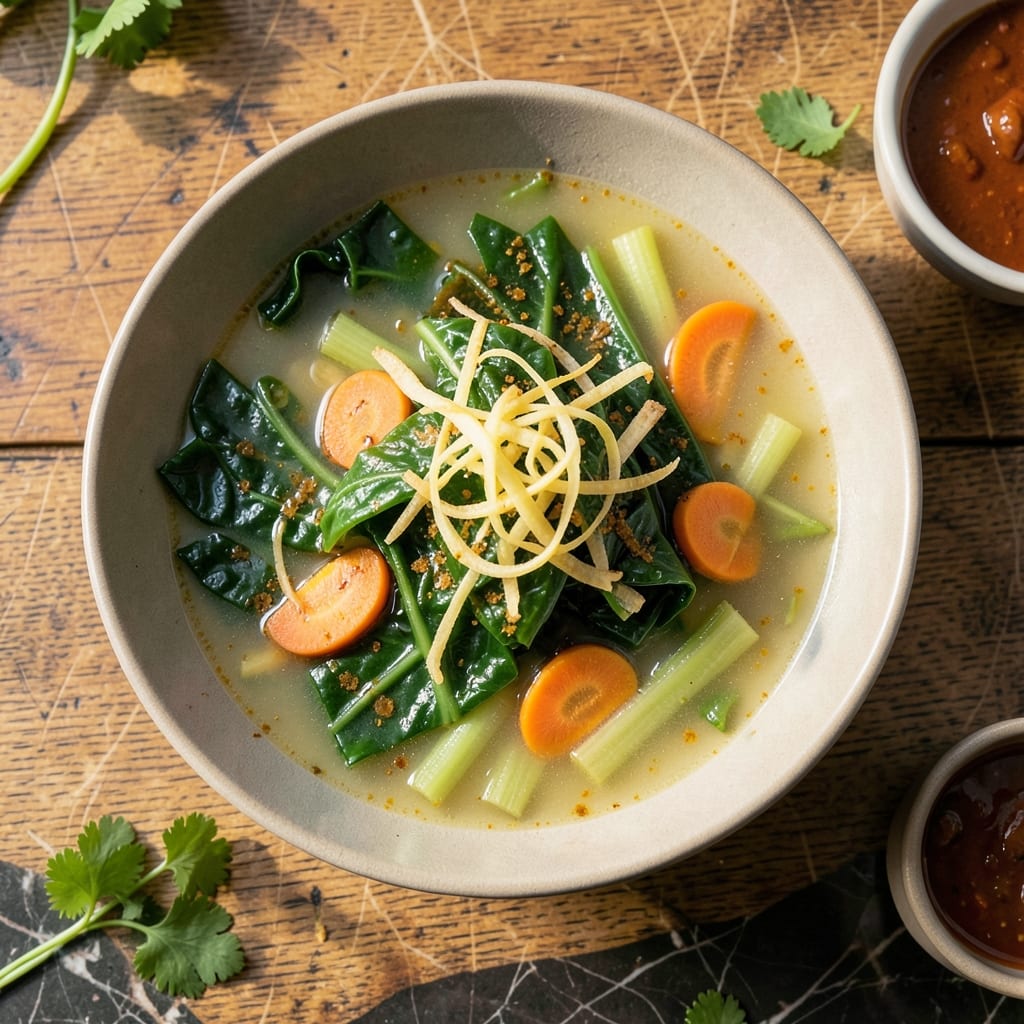
This alkaline cabbage soup recipe transforms simple ingredients into a vibrant, gut-soothing elixir that supports digestion while delivering bold flavors. The secret lies in balancing alkaline elements like lemon juice and baking soda with fresh cabbage, carrots, and celery—creating a broth that's both cleansing and deeply satisfying. I developed this recipe after discovering how alkaline foods could transform my digestion, and the zesty kick from fresh herbs keeps it far from bland.
What sets this soup apart is its health-focused approach without sacrificing taste. The alkaline components—lemon juice and baking soda—help balance the body's pH while the cabbage provides fiber and detoxifying properties. Unlike traditional cabbage soup, this version includes ginger and turmeric for anti-inflammatory benefits, making it a powerhouse for gut health. The preparation is straightforward, requiring just 30 minutes of active time before simmering.
By the time you're done, you'll have a bright green, aromatic soup with tender vegetables and a broth that's rich yet light. The cabbage remains crisp-tender, carrots caramelize slightly, and the zesty lemon-turmeric finish elevates every spoonful. This isn't just a detox drink—it's a complete, flavorful meal that pairs beautifully with whole-grain bread or a simple salad for a balanced plate.
The beauty of this recipe lies in its versatility. Use it as a standalone meal for a light lunch or dinner, or serve it as a starter to complement grilled proteins. The alkaline properties make it particularly beneficial after heavy meals or during seasonal transitions when digestion needs extra support. Let's create this nourishing bowl of goodness.
Ingredients for alkaline cabbage soup
Fresh vegetables, zesty citrus, and alkaline elements create this vibrant gut-soothing soup.
| Ingredient | Amount | Notes |
|---|---|---|
| Green Cabbage 🥬 | 1 ½ lb | Outer leaves removed, core trimmed |
| Organic Carrots 🥕 | 1 ½ lb | Baby carrots or whole, peeled |
| Celery Stalks 🧅 | 4 whole | Leaves included for flavor |
| Fresh Ginger Root 🌿 | 2 tbsp | Grated, organic preferred |
| Turmeric Powder 🌶️ | 1 tsp | Freshly ground for potency |
| Fresh Lemon Juice 🍋 | ½ cup | From organic lemons |
| Baking Soda 🧂 | ½ tsp | Food-grade quality only |
| Fresh Cilantro 🌿 | ¼ cup | Stems included, chopped |
| Fresh Parsley 🌿 | ¼ cup | Flat-leaf preferred |
| Extra-Virgin Olive Oil 🫒 | 2 tbsp | Cold-pressed, unrefined |
| Vegetable Broth 💧 | 4 cups | Low-sodium, homemade preferred |
| Garlic Cloves 🧄 | 4 cloves | Minced, organic preferred |
| Sea Salt 🧂 | 1 tsp | Diamond Crystal preferred |
| Black Peppercorns 🌶️ | ½ tsp | Freshly cracked |
The cabbage selection is critical here—green cabbage provides the ideal balance of crispness and detoxifying properties. Opt for organic when possible to avoid pesticide residues, which can undermine the soup's cleansing benefits. Whole Foods Market or local farmers markets often carry organic cabbage with vibrant, tightly packed leaves—this is your best indicator of freshness. For the carrots, baby carrots save prep time, but whole carrots with their tops still attached (indicating freshness) add more flavor. The celery should be crisp with no brown spots, and the leaves should be bright green. Trader Joe's consistently carries high-quality organic produce at reasonable prices, making it my go-to for these ingredients.
No fresh ginger? Powdered ginger at half the amount works in a pinch, though fresh delivers superior anti-inflammatory benefits. Substituting lemon juice? Apple cider vinegar provides a similar alkaline effect, though the flavor profile shifts slightly. The baking soda is non-negotiable for achieving the alkaline balance—Albertsons or Whole Foods carry food-grade quality in their baking section. For the herbs, dried cilantro or parsley at one-third the amount can be used, but fresh provides that bright, zesty kick that makes this soup truly special. The vegetable broth should be low-sodium to maintain the alkaline properties; Pacific Foods or homemade versions are ideal.
This soup maintains its vibrant color and health benefits for 4-5 days in the refrigerator when stored in an airtight container. For longer storage, freeze in glass jars with 1-inch headspace—it keeps for up to 3 months without losing its alkaline properties. The alkaline components actually enhance preservation, making this soup particularly stable. For meal prep, consider making a double batch—the extra portion reheats beautifully and makes for an excellent lunch the next day. The broth can be separated and frozen for future use, while the vegetables are best consumed within 3 days for optimal texture.
Why You'll Love This Recipe
- No-Fuss Chopping: I swear by the "big chop, small simmer" method—just quarter the cabbage, slice the carrots and celery into thick batons, and grate the ginger with the peeler. No julienne skills required, and you’re done in 10 minutes flat. (Yes, even when I’m distracted by my cat "helping.")
- Earthy Warmth: That turmeric and ginger? It’s the secret weapon here—bright, spicy, and just sweet enough to make the cabbage taste like something you’d order at a café, not just throw together. The carrots add this subtle honeyed depth that lingers, and honestly? It’s the kind of flavor that makes you pause mid-bite.
- Lunchbox Magic: Between us, this soup is my go-to for meal prep because it stays fresh for days in the fridge. Pack it cold for work or reheat it for dinner—it’s equally good both ways. Plus, my kids actually eat it (they call it "space soup" because of the turmeric color), so it’s a win for picky eaters too.
- Pantry Goldmine: You’re using ingredients you already own—cabbage, carrots, celery—so it’s a budget-friendly reset when your fridge is half-empty. And because it’s so light, a single pot feeds four for under $5. That’s a meal where the math works out, and so does the taste.
Step-by-step instructions for alkaline cabbage soup
Here's the precise method to create a vibrant, alkalizing soup that supports digestion while delivering bold flavors.
Prep and Sauté the Aromatic Base
Heat the 2 tablespoons extra-virgin olive oil in a large stockpot over medium heat. Add the 4 whole celery stalks, chopped into ½-inch pieces, and cook for 3-4 minutes until they soften slightly and begin to release their natural oils. The celery should smell fresh and slightly sweet.
Add the 4 minced garlic cloves and 2 tablespoons grated fresh ginger root to the pot. Cook for 1 minute until the garlic becomes fragrant and the ginger loses its raw bite. This aromatic base forms the flavor foundation of your soup. Be careful not to let the garlic burn—it should sizzle gently rather than darken.
Add Root Vegetables and Turmeric
Increase heat to medium-high and add the 1.5 pounds organic carrots, cut into ½-inch rounds. Stir to coat the carrots with the aromatic oil mixture. Add the 1 teaspoon turmeric powder and 1 teaspoon sea salt, stirring well to distribute evenly. Cook for 5 minutes until the carrots begin to soften at the edges but still retain some bite.
The turmeric will begin to infuse the vegetables with its earthy warmth. This is where the soup starts developing its signature golden hue and subtle anti-inflammatory properties. Keep stirring occasionally to prevent the vegetables from sticking to the bottom of the pot.
Incorporate Cabbage and Broth
Add the 1.5 pounds green cabbage, cut into ¼-inch wide ribbons. Pour in the 4 cups vegetable broth and bring the mixture to a gentle boil over high heat. Once boiling, reduce heat to medium-low and let it simmer uncovered for 20-25 minutes until the cabbage is tender but still holds its shape.
During this time, you'll notice the cabbage softening and releasing its vibrant green color into the broth. The soup should develop a rich, vegetable-forward aroma. Stir occasionally to ensure even cooking, especially since cabbage has a tendency to sink to the bottom.
Finish with Alkalizing Agents
Remove the pot from heat and stir in the ½ cup fresh lemon juice and ½ teaspoon baking soda. Let the mixture sit for 5 minutes to allow the baking soda to fully dissolve and begin raising the soup's pH level. This step is crucial for creating the alkaline properties that make this soup particularly beneficial for gut health.
Return the pot to low heat and stir in the ½ teaspoon freshly cracked black peppercorns. The pepper will add a subtle heat that complements the bright citrus notes from the lemon juice. Taste the soup and adjust seasoning if needed—you may want to add a pinch more salt or a splash more lemon juice to balance the flavors.
Garnish and Serve Immediately
Divide the soup among four bowls. Garnish each serving with 1 tablespoon fresh cilantro and 1 tablespoon fresh parsley, chopped. These herbs not only add visual appeal but also contribute to the soup's fresh, vibrant character. Serve immediately while the soup is hot to fully appreciate its complex flavors and health benefits.
The soup should have a perfect balance of tender vegetables, bright citrus notes, and earthy spices. Each bowl should be steaming hot and filled with the aromatic essence of the freshly cooked vegetables. This alkaline cabbage soup makes a nourishing meal that supports digestion while delivering a satisfying, flavorful experience.
Pro Tips For Making Alkaline Cabbage Soup
- CHOP CABBAGE THINLY: I learned this the hard way—thick cabbage wedges turn mushy in alkaline broth. Aim for paper-thin slices (a sharp knife and firm pressure work best) so they soften evenly without disintegrating. If you’re impatient like me, a mandoline speeds this up, but watch your fingers.
- SAUTÉ GINGER UNTIL FRAGRANT: Fresh ginger needs 30 seconds in a dry pan before adding liquid—until the oil shimmers and the aroma hits you like a wave. Skimp here, and your soup tastes raw; let it get golden-brown for that deep, zesty punch that balances the cabbage’s sharpness.
- ADD TURMERIC LATE: Stir turmeric in the last 5 minutes of simmering, or it’ll dull to a sad, pale yellow. The heat activates its color and earthy kick—wait too long, and you’re left with a broth that looks like weak tea.
- SALT THE BROTH IN STAGES: Taste the broth after 20 minutes, then add salt gradually—alkaline soups need more than you’d think. I usually start with 1 tsp, let it simmer, then adjust: too much upfront masks the ginger’s brightness. (Your future self will thank you for not guessing.)
Flavor customization for these flavors
Citrus Brightness Boost
Swap the lemon juice for 1 orange or grapefruit (½ cup juice) to add a tropical twist while maintaining alkaline benefits. The citrus oils in these fruits enhance the soup's aromatic profile, creating a sweeter yet tangy finish. For extra zing, add 1 tsp orange zest when incorporating the alkaline agents—this amplifies the citrus notes without overpowering the vegetables. 🍊
Spicy Kick Variations
For heat lovers, add 1 tbsp fresh jalapeño (minced) or ½ tsp cayenne pepper when sautéing the aromatics. The capsaicin in these peppers complements the alkaline properties while adding a subtle burn. Balance with an extra ½ tsp baking soda to maintain the pH level. I find this works particularly well with the turmeric—both spices create a warm, almost golden glow in the broth.
Herb Swaps for Depth
Replace cilantro and parsley with ½ cup fresh dill or basil for a different herbal profile. Dill adds a bright, almost licorice-like note that pairs beautifully with the cabbage, while basil contributes a slightly sweet, earthy depth. For a Mediterranean twist, use 1 tbsp fresh oregano—its robust flavor stands up to the alkaline tang. Garnish generously before serving to maximize freshness.
Creamy Texture Option
For a velvety texture, stir in ¼ cup coconut milk (full-fat) during the final 5 minutes of simmering. The healthy fats from coconut milk enhance the soup's satiety while adding a subtle sweetness that balances the alkaline tang. To keep it vegan and alkaline-friendly, avoid dairy-based creamers—coconut milk maintains the pH balance while delivering creaminess. This works especially well if you prefer a richer, more indulgent soup.
Umami Depth Additions
Boost the savory profile with 1 tbsp soy sauce or tamari when adding the broth, or incorporate 2 shiitake mushrooms (sliced) during the initial sauté. The umami from these ingredients deepens the soup's complexity without altering its alkaline properties. For a smoky twist, add ½ tsp smoked paprika—it pairs beautifully with the turmeric and enhances the overall depth of flavor. 🌶️
Seasonal Vegetable Swaps
Incorporate seasonal vegetables like zucchini (1 cup, diced) in summer or sweet potatoes (1 cup, cubed) in fall to adapt the soup to available produce. Zucchini adds a mild, slightly sweet note that complements the cabbage, while sweet potatoes introduce natural sweetness that balances the alkaline tang. Adjust cooking time by 5-10 minutes**—these vegetables soften more quickly than carrots or cabbage.
Nutrition facts
Frequently asked questions
Why does this recipe use baking soda?
The ½ teaspoon baking soda creates the alkaline properties that make this soup beneficial for digestion and pH balance. When combined with lemon juice, it gently raises the broth's pH level, supporting gut health without overpowering the natural flavors. This is different from traditional cabbage soup, which focuses more on weight loss than alkaline benefits.
Can I make this soup without baking soda?
Yes, but you'll lose the alkaline benefits. For a similar effect, use 1 tablespoon apple cider vinegar instead—it provides acidity that can help balance the body's pH when consumed regularly. The flavor will be tangier, though, so adjust to taste. The baking soda is key for maintaining the soup's health-focused properties.
How do I know when the cabbage is cooked properly?
The cabbage should be tender but still hold its shape—like al dente pasta. After 20-25 minutes of simmering, test a piece: it should yield slightly to a fork but not fall apart. Overcooking turns cabbage mushy, which can make the soup watery. If needed, add an extra 5 minutes of cooking time, stirring occasionally to prevent sticking.
Is this soup safe for people with kidney issues?
While this alkaline soup is generally healthy, the baking soda content means it's not recommended for those with kidney problems or on low-sodium diets. The ½ teaspoon baking soda could affect electrolyte balance. For kidney-friendly versions, omit the baking soda and use extra lemon juice (½ cup) for acidity instead. Always consult a healthcare provider before making dietary changes.
Can I prep this soup ahead of time?
Store the cooked soup in an airtight container in the fridge for 4-5 days or freeze for up to 3 months. Reheat gently on the stove or microwave until steaming hot. The alkaline properties actually help preserve the soup longer than traditional vegetable soups. For best texture, reheat only until hot—overheating can make the cabbage mushy.