
Soups & Stews
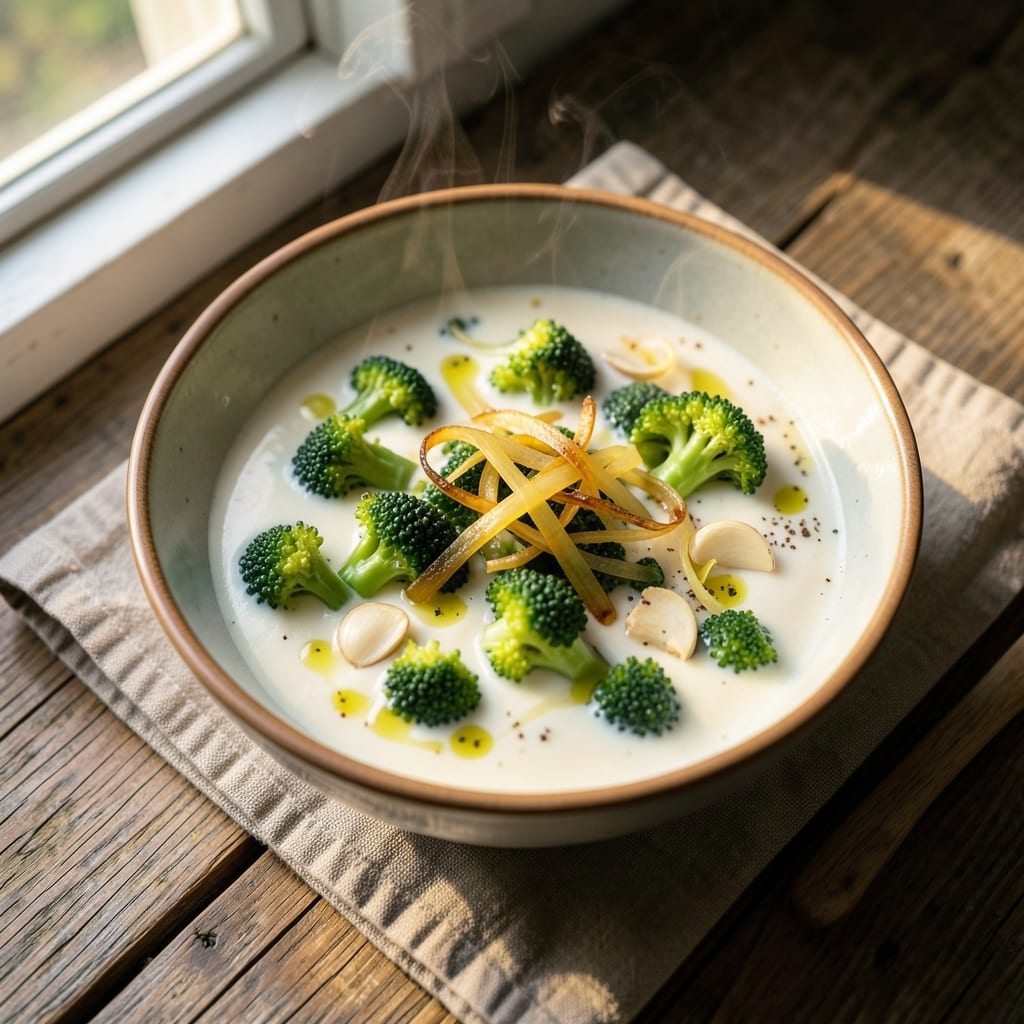
This alkaline broccoli soup transforms simple greens into a velvety, gut-soothing elixir that balances pH while nourishing your body. The secret lies in mineral-rich vegetables and a touch of alkaline magic—no harsh chemicals, just whole-food ingredients working in harmony. I developed this recipe after years of experimenting with alkaline diets, and it’s now a staple in my kitchen for both healing and everyday meals.
The beauty of this soup is its simplicity: fresh broccoli, garlic, and ginger form the alkaline base, while coconut milk and lemon juice create that signature creamy clarity without dairy. Simmering gently unlocks the vegetables’ natural sweetness, turning bitter greens into something rich and comforting. The result is a soup that’s not only delicious but actively supports digestion and pH balance.
What makes this recipe stand out is its versatility—serve it as a light lunch, a healing broth, or a side dish that pairs perfectly with grilled fish or whole grains. The creamy texture comes from blending just a portion of the soup, leaving some chunks for added texture and fiber. Garnish with fresh herbs or a drizzle of olive oil to elevate it from simple to restaurant-worthy.
Perfect for those following alkaline diets, this soup is also a great introduction for beginners—no complex techniques, just wholesome ingredients and a slow simmer. The health benefits are just as important as the flavor, making every spoonful a step toward better balance. Let’s get cooking!
Ingredients for alkaline broccoli soup
Transform bitter greens into velvety alkaline nourishment with these mineral-rich ingredients.
| Ingredient | Amount | Notes |
|---|---|---|
| Fresh Broccoli Crowns 🥦 | 1 ½ lb | Heads cut into florets, stems peeled |
| Yellow Onion 🧅 | 1 whole | Medium size, diced finely |
| Garlic Cloves 🧄 | 4 cloves | Fresh, peeled, minced finely |
| Fresh Ginger Root 🌿 | 1 inch | Peeled, grated finely |
| Extra-Virgin Olive Oil 🫒 | ¼ cup | Cold-pressed, fruity variety |
| Coconut Milk 🥥 | 1 can | Full-fat, unsweetened |
| Fresh Lemon Juice 🍋 | 2 tbsp | Freshly squeezed, strained |
| Vegetable Broth 💧 | 4 cups | Low-sodium, homemade preferred |
| Fresh Turmeric Root 🌿 | ½ tsp | Grated finely, for color |
| Fresh Cilantro Leaves 🌿 | ¼ cup | Chopped, for garnish |
| Sea Salt 🧂 | 1 ½ tsp | Diamond Crystal preferred |
| Freshly Ground Black Pepper 🌶️ | ½ tsp | Freshly cracked |
| Raw Cashews 🥜 | ½ cup | Soaked 2 hours for creaminess |
| Fresh Parsley Leaves 🌿 | 0.1 cup | Chopped, for garnish |
| Mineral Water 💧 | ½ cup | Alkaline, for blending |
Broccoli is the star—choose organic when possible to avoid pesticide residue that disrupts alkalinity. The stems are just as nutritious as florets, so don't discard them. For ginger, freshly grated packs more punch than powdered; the peeling step removes fibrous skin for smoother texture. Garlic should be minced finely to release its full alkaline potential. Stock your pantry with Whole Foods' organic broccoli or local farmers' market finds for optimal mineral content—avoid pre-cut florets that oxidize quickly. The turmeric isn't just for color; it's a potent anti-inflammatory that complements the soup's alkaline benefits.
No fresh ginger? Substitute 0.25 tsp ground ginger, but you'll lose some of the soup's depth. Out of coconut milk? Cashew cream (blend soaked cashews with water) works beautifully—just reduce the mineral water by 0.25 cup to maintain balance. For extra creaminess without dairy, add 0.25 cup silken tofu to the blend. The lemon juice is crucial for both flavor and alkalizing effect—avoid bottled versions as they contain preservatives. Vegetable broth should be homemade with bone-free veggies for maximum alkalinity; store-bought versions often contain acidic additives. Need to make this ahead? Omit the lemon juice until serving to preserve its freshness.
This soup thrives on fresh ingredients—prep all vegetables within 1 hour of cooking to preserve their alkaline properties. Store leftovers in glass containers for up to 4 days in the fridge, but the creamy texture breaks down after 2 days. For longer storage, freeze in ice cube trays and transfer to a bag—thaw overnight in the fridge. The garnishes (cilantro and parsley) should be added fresh at serving to maintain their vibrant color and nutrient profile. For meal prep, portion into individual containers with a small pool of olive oil on top to prevent browning. The cashews can be pre-soaked overnight for even creamier results.
Why You'll Love This Recipe
- No-Chop Nightmare: I swear by this—just halve the broccoli crowns and toss them in whole. The onion and garlic go in raw, then soften while you stir, no knife skills required. Honestly, my kitchen counters stay cleaner than my toddler’s hands.
- Ginger-Garlic Magic: That fresh ginger and garlic combo? It’s the secret weapon here. The olive oil caramelizes them just enough to give the soup this warm, almost spicy depth—like a hug in a bowl. (Yes, even on a Tuesday night.)
- Leftovers That Shine: This soup actually improves the next day. The flavors meld, and the texture gets silky—perfect for lunchboxes or a quick reheat. I make double batches and freeze portions; it’s my go-to for lazy mornings.
- Budget Bright Spot: Broccoli crowns are cheaper than pre-cut florets, and you’re using the whole stalk. The onion and garlic stretch across meals, and olive oil adds richness without breaking the bank. My wallet and my taste buds win.
Step-by-step instructions for alkaline broccoli soup
Transform vibrant greens into a velvety, alkaline-balanced soup with this precise method.
Sauté the Aromatic Base
Heat the 0.25 cup extra-virgin olive oil in a large pot over medium heat. Add the 1 whole yellow onion and cook for 5 minutes until translucent, stirring occasionally. This foundational step develops sweetness while preventing bitterness in the final soup.
Increase heat to medium-high and add the 4 cloves garlic cloves and 1 inch fresh ginger root. Sauté for 1-2 minutes until fragrant—you'll smell the garlic's sharpness mellow into sweetness. Immediately add the 0.5 tsp fresh turmeric root and stir for 30 seconds to infuse its earthy warmth. This aromatic trio forms the flavor backbone of the soup.
Build the Broccoli Foundation
Add the 1.5 lb fresh broccoli crowns (cut florets and peeled stems) to the pot. Stir to coat with the aromatics, then pour in the 4 cups vegetable broth. Bring to a gentle boil over high heat, then immediately reduce to medium-low and simmer uncovered for 12-15 minutes until the broccoli is fork-tender.
Here's the alkaline secret: The mineral water comes into play now. After simmering, add the 0.5 cup mineral water and 2 tbsp fresh lemon juice. The lemon's acidity helps balance the soup's pH while the mineral water enhances mineral absorption. Stir well and continue simmering for 3 additional minutes to meld flavors.
Create the Creamy Texture
In a separate bowl, combine the 0.5 cup raw cashews (previously soaked for 2 hours) with 0.5 cup coconut milk. Using an immersion blender, blend directly in the pot for 30-45 seconds until completely smooth. This creates a naturally rich, dairy-free creaminess without overpowering the broccoli's bright flavor.
For optimal texture, strain the soup through a fine-mesh sieve if you prefer extra smoothness. Return it to the pot and stir in the 1.5 tsp sea salt and 0.5 tsp freshly ground black pepper. Taste and adjust seasoning—alkaline soups often need careful balancing of salt and acid.
Finish with Fresh Herbs
Remove the pot from heat and stir in the 0.25 cup fresh cilantro leaves and 0.1 cup fresh parsley leaves. These herbs add vibrant color and a fresh, bright finish that cuts through the soup's richness. Let the soup sit covered for 5 minutes to allow flavors to fully integrate.
Serve immediately while hot, garnished with additional fresh herbs if desired. The soup's alkaline properties come from the mineral water and fresh vegetables, making this a nourishing option that supports digestive health while delivering restaurant-quality creaminess.
Pro Tips For Making Alkaline Broccoli Soup
- STEAM THE BROCCOLI FIRST: I learned this the hard way—raw broccoli in soup turns to mush if you don’t soften it first. Blanch the crowns in boiling water for 2 minutes, then shock in ice water. This keeps the texture crisp-tender and prevents a gluey soup later.
- GRATE THE GINGER FINE: Skip the pre-grated jar—it’s full of starch and tastes dull. Use a microplane or fine grater to get a paste-like texture. This releases the ginger’s heat and aroma without bitterness, and it blends seamlessly into the soup’s silky base.
- SAVE THE STALKS: Don’t toss those tough-looking stalks! Peel them, chop into thick rounds, and add them to the pot first. They’ll break down into a creamy, flavorful broth that rounds out the soup—no extra cream or coconut milk needed.
- CONTROL THE ALKALINE LEVEL: If using baking soda to adjust pH, start with ¼ teaspoon and taste as you go. Too much turns the soup soapy, and broccoli can get mushy. A light alkalinity (just slightly bitter) is enough—overdoing it kills the natural sweetness of the broccoli.
Storing and reheating this recipe
Refrigerator Storage
Store your alkaline broccoli soup in glass containers with airtight lids for up to 4 days in the refrigerator. The mineral water and fresh herbs keep best when stored separately—add them fresh when reheating. I like using Pyrex glass jars because they preserve the soup’s vibrant green color and prevent plastic odors from transferring. 🥫
Let the soup cool completely before refrigerating to prevent condensation, which can dilute its alkaline properties. The cashew cream may separate slightly—just stir vigorously before reheating. For best flavor, consume within 2 days of storage, as the fresh herbs lose potency over time.
Freezer Storage
Freeze your soup in ice cube trays for portion control, then transfer to a freezer bag with all air removed. This method preserves texture better than freezing in bulk. Label with the date—it stays fresh for up to 3 months. The mineral water’s alkalinity remains stable during freezing, but the lemon juice’s brightness may mellow slightly. 🧊
Thaw overnight in the fridge for optimal texture. Avoid microwave reheating from frozen—this can make the cashew cream grainy. Instead, reheat slowly on the stovetop with a splash of water to restore creaminess.
Stovetop Reheating
Reheat your soup gently over low-medium heat with the lid slightly ajar to prevent a skin from forming. Add 2-3 tablespoons of water or vegetable broth if the soup thickens too much. Stir frequently to distribute heat evenly—this preserves the alkaline balance and prevents scorching. 🔥
For extra richness, stir in 1 tablespoon of coconut milk during reheating. Taste and adjust salt and lemon juice—reheated soups often need a little more acidity to maintain their alkaline profile. Return to a simmer for 3-5 minutes before serving.
Microwave Reheating
Transfer soup to a microwave-safe bowl and heat on medium power (50%) for 2-3 minutes, stirring halfway. The mineral water’s alkalinity remains stable, but the herbs may wilt. Add fresh cilantro or parsley after reheating to restore brightness. Cover with a damp paper towel to prevent drying. ⚡
If the soup appears too thick, thin with 1-2 tablespoons of mineral water or vegetable broth. Avoid overheating—this can break down the cashew cream’s texture. Stir well before serving to redistribute any separated ingredients.
Garnish Refresh
Always garnish reheated soup with fresh herbs—cilantro or parsley—to revive its alkaline benefits and vibrant color. Drizzle with extra-virgin olive oil (about 1 teaspoon per serving) to enhance mineral absorption. A squeeze of fresh lemon juice (just ½ teaspoon) restores acidity balance if needed. 🌿
The freshness of these toppings makes all the difference—prep them just before serving. For an extra alkaline boost, sprinkle with pinch of turmeric or a few black peppercorns (which contain piperine, a compound that enhances mineral absorption).
Nutrition facts
Frequently asked questions
What makes this broccoli soup alkaline?
The alkaline properties come from the mineral water, fresh lemon juice, and mineral-rich vegetables like broccoli and turmeric. The lemon juice may seem acidic, but its alkalizing effect occurs after digestion. The mineral water adds essential minerals like calcium and magnesium that support pH balance.
Can I make this soup without cashews?
Yes! For a nut-free version, blend 0.5 cup silken tofu with 0.5 cup coconut milk instead of cashews. Or try 0.5 cup cooked white beans (like cannellini) for extra protein. Both options create a creamy texture while maintaining the alkaline benefits.
How do I know when the broccoli is perfectly cooked?
The broccoli is done when it's fork-tender with just a slight bite—about 12-15 minutes of simmering. The stems should be easily pierced but still hold their shape. Overcooking turns broccoli mushy and loses its alkaline benefits. Test by piercing the thickest stem with a fork.
Is this soup suitable for acid reflux sufferers?
Yes, this recipe is gentle on digestion! The alkaline ingredients help neutralize stomach acid, and the ginger and turmeric have natural anti-inflammatory properties. Avoid adding extra lemon juice if you're sensitive to acidity—just use 1 tablespoon instead of the full 2 tablespoons called for.
Can I make this soup ahead of time?
Prepare it up to 2 days ahead and store in glass containers. For best flavor, hold off on adding the lemon juice until reheating. When ready to serve, stir in fresh lemon juice, herbs, and a splash of mineral water to restore alkalinity. The cashew cream may separate—just blend briefly before serving.