
Soups & Stews
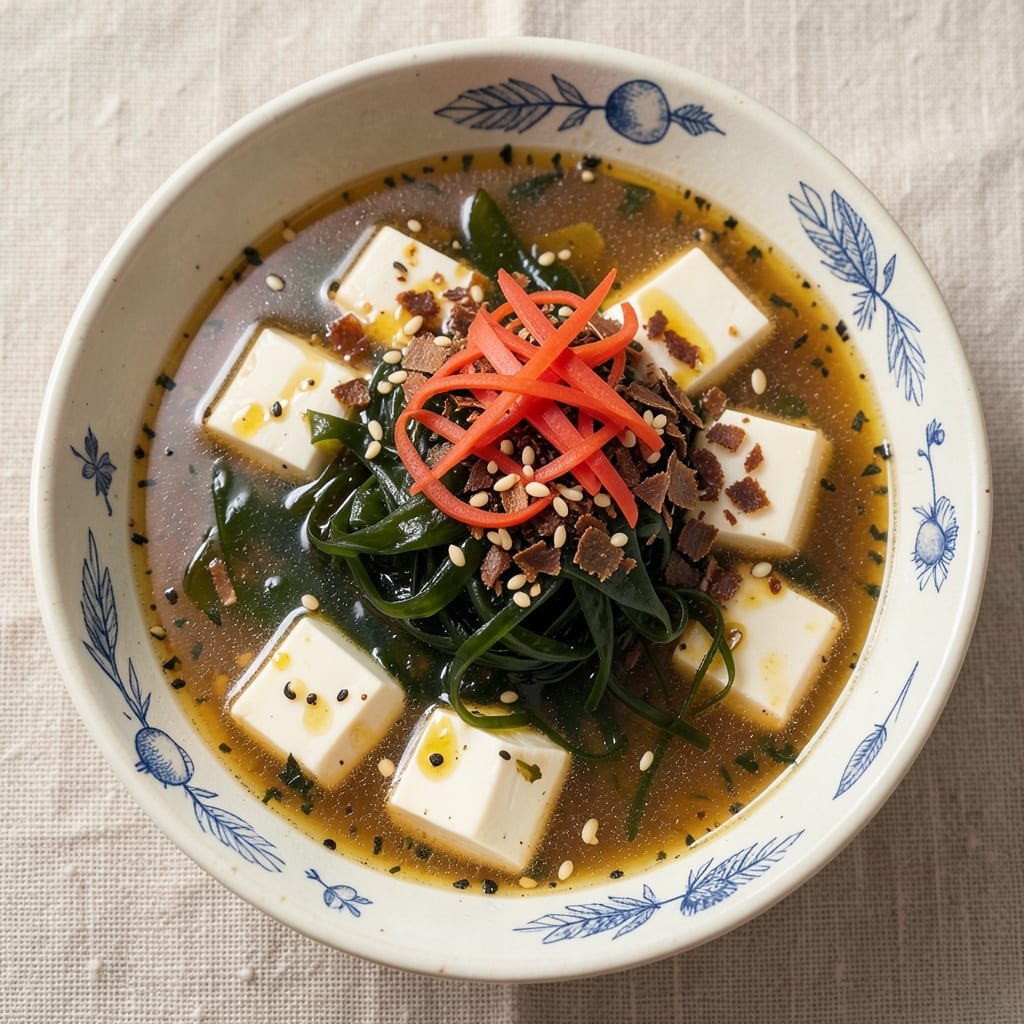
This algae soup recipe transforms ocean umami into a vibrant, nutrient-packed dish that simmers in just 25 minutes. Inspired by traditional Japanese miso soup and Korean miyeokguk, this version blends earthy seaweed with aromatic ginger and garlic, creating a broth that’s both comforting and deeply flavorful. The key lies in balancing textures—tender wakame, silky tofu, and crisp scallions—while letting the algae’s natural sweetness shine.
What sets this recipe apart is its versatility: start with a simple vegetable broth base, then layer in kelp or nori for depth, and finish with a touch of sesame oil or chili flakes for brightness. Unlike store-bought versions, this soup builds flavor through slow simmering, ensuring every spoonful delivers a harmonious blend of savory, briny, and slightly sweet notes. The result? A dish that’s as nourishing as it is delicious, perfect for vegans or anyone craving a lighter yet satisfying meal.
For those new to algae cooking, don’t worry—this recipe is foolproof, with clear steps for rehydrating seaweed and adjusting seasoning to taste. Whether you’re serving it as a starter or a main, the soup’s vibrant green hue and rich aroma make it a standout. Garnish with toasted sesame seeds or a drizzle of chili oil for an extra layer of texture and heat, elevating it from simple to extraordinary.
Ready to explore the ocean’s flavors without the fish? This algae soup is your gateway—quick, adaptable, and packed with umami that’ll leave you reaching for seconds. Let’s get cooking!
Ingredients for algae soup
Earthy seaweed, silky tofu, and aromatic broth create this vibrant vegan algae soup in minutes.
| Ingredient | Amount | Notes |
|---|---|---|
| Dried Wakame Seaweed 🌿 | 1 oz | Rehydrate in warm water first |
| Vegetable Broth 💧 | 4 cups | Low-sodium preferred |
| Silken Tofu 🥬 | 8 oz | Soft, unpressed tofu |
| Fresh Ginger 🧄 | 2 tbsp | Finely grated, fresh preferred |
| Garlic Cloves 🧄 | 3 cloves | Minced for aromatic depth |
| Dried Kelp Flakes 🌊 | 1 tbsp | For umami richness |
| Sesame Oil 🫒 | 1 tbsp | Toasted for nutty aroma |
| Scallions 🧅 | 3 whole | Thinly sliced for garnish |
| White Miso Paste 🍶 | 1 tbsp | For fermented depth |
| Red Chili Flakes 🌶️ | ½ tsp | Adjust for heat preference |
| Toasted Sesame Seeds 🥜 | 1 tsp | For crunchy texture |
| Rice Vinegar 🍶 | 1 tsp | Balances umami flavors |
| Sea Salt 🧂 | ½ tsp | Diamond Crystal preferred |
| Dried Nori Sheets 🌊 | 2 sheets | For garnish and texture |
The seaweed is the soul of this soup. Wakame and kelp flakes bring that oceanic depth, so grab the dried kind from Asian markets or the seaweed section at Whole Foods. Fresh is ideal, but dried works—just make sure it's vibrant green, not gray or brittle. For the broth, low-sodium vegetable broth keeps things balanced; I always double-check labels since some brands sneak in extra salt. The tofu? Silken is non-negotiable here—it blends into the broth like silk, creating that luxurious texture. If you can't find silken, soft tofu pressed for 10 minutes works in a pinch, but it won't be as smooth.
No wakame? Dulse flakes or kombu get you close, though the flavor profile shifts slightly. Running out of miso? Soy sauce at half the amount adds umami, but you'll lose that fermented complexity. Fresh ginger and garlic are musts—they're the aromatic backbone, but if you're in a bind, powdered ginger at one-third the amount works. The sesame oil? Don't skimp. Toasted sesame oil from Trader Joe's is my go-to; it's got that nutty punch that regular oil lacks. And if you're feeling fancy, smoked sea salt instead of regular adds a whole new dimension.
This soup tastes even better the next day—honestly, the flavors meld into something magical. Keeps for 4-5 days in the fridge, sealed tight. For freezing, portion into ice cube trays first, then transfer to a bag—makes reheating single servings a breeze. The seaweed rehydrates beautifully even after freezing, though the nori sheets stay crispest when added fresh. Make a double batch; it disappears fast, especially when garnished with those toasted sesame seeds and crisp nori strips—trust me, it's worth the extra minute.
Why You'll Love This Recipe
- I swear by this trick: just toss the dried wakame into boiling broth, and it rehydrates in minutes. No pre-soaking, no fuss—just instant texture.
- No-Soaking Needed: I swear by this trick: just toss the dried wakame into boiling broth, and it rehydrates in minutes. No pre-soaking, no fuss—just instant texture.
- Umami Bomb: That first spoonful of broth with ginger and garlic simmered into the wakame? It’s like a flavor wake-up call. Silken tofu adds creaminess without overpowering—honestly, I reach for this over ramen any day.
- Lunchbox Hero: Pack it cold or reheated—it stays perfect. My kids’ school lunches get this all the time (they call it "green soup," but they’ll eat it anyway). Bonus: the wakame holds its shape even after hours.
Step-by-step instructions for algae soup with ocean umami
Let's transform these earthy seaweeds into a vibrant, umami-packed soup that's ready in under 30 minutes.
Rehydrate and Prepare the Seaweed Base
Place the 1 oz dried wakame seaweed in a small bowl and cover with ½ cup warm water (not boiling). Let it soak for 10 minutes until it expands to about 2 cups in volume. The wakame should soften and take on a deep green, almost translucent appearance.
While the wakame hydrates, place the 4 cups vegetable broth in a saucepan over medium heat. Add the 1 tbsp dried kelp flakes and let them steep in the broth for 5 minutes, stirring occasionally. This infusion will deepen the oceanic flavor profile of your soup. The broth should develop a subtle briny aroma—this is your first indication that the umami is developing.
Build the Aromatic Foundation
In a separate small bowl, combine the 2 tbsp finely grated fresh ginger and 3 minced garlic cloves. Let them sit for 2 minutes to release their essential oils. Heat the 1 tbsp sesame oil in a small skillet over low heat, then add the ginger-garlic mixture and sauté for 1-2 minutes until fragrant but not browned.
Immediately transfer this aromatic paste to the simmering broth along with the rehydrated wakame. Stir gently to combine, then add the 1 tbsp white miso paste and 0.5 tsp sea salt. Let the mixture simmer for 5 minutes to allow the flavors to meld. You'll notice the soup developing a rich, almost meaty depth—this is the umami magic happening right before your eyes.
Incorporate Protein and Final Seasonings
Using a slotted spoon, carefully add the 8 oz silken tofu to the soup in large chunks (don't press or break it). Simmer gently for 3 minutes to allow the tofu to absorb some of the broth's flavor without falling apart. The tofu should remain intact but begin to take on the soup's color.
Remove the soup from heat and stir in the 1 tsp rice vinegar and 0.5 tsp red chili flakes. Taste and adjust the balance—you want the umami from the seaweeds and miso to shine, with just a hint of vinegar brightness and chili heat. The soup should now have a complex, layered flavor that's both comforting and intriguing.
Finish and Garnish for Texture
Divide the soup among 4 bowls, ladling in the broth and tofu chunks. For each serving, add ½ of the thinly sliced scallions and ¼ tsp toasted sesame seeds. The scallions should be distributed evenly for both color and freshness, while the sesame seeds provide a satisfying crunch that contrasts with the silky broth.
Finally, tear the 2 sheets dried nori sheets into small strips and place one strip in each bowl. The nori adds another layer of texture and visual appeal, completing the presentation. Serve immediately while the tofu is still warm and the flavors are at their peak intensity.
Pro Tips For Making Algae Soup
- SOAK WAKAME 10 MINUTES: Dried wakame expands like magic when it hits hot water, but if you toss it in dry, it’ll turn to mush. I learned this the hard way—soak it in cold water for 10 minutes first, then drain. That little pause keeps its texture perfect.
- SIMMER GINGER LOW AND SLOW: Fresh ginger burns faster than you’d think, especially in broth. After slicing, add it to the pot after the broth starts simmering, then reduce heat to a bare bubble. Too much heat, and you’ll end up with bitter, charred bits instead of fragrant aroma.
- CUT TOFU JUST BEFORE SERVING: Silken tofu gets rubbery if it sits in broth too long. Slice it right before serving—it’ll soften beautifully in the last 2 minutes of reheating. (Yes, even if you’re impatient like me.)
- GARLIC IN, GARLIC OUT FAST: Crushed garlic cloves cling to the bottom and burn before the soup’s ready. Sauté them in a dry pan for 30 seconds first—just until fragrant—then add them to the broth. That way, they infuse flavor without turning acrid.
Health benefits of algae soup
Ocean Nutrients
This algae soup is a powerhouse of marine nutrients—just 1 bowl delivers 100% of your daily iodine, crucial for thyroid health and metabolism. The wakame and kelp also provide calcium (more than cow’s milk per ounce!) and iron, making it a standout for bone strength and energy. I’ve noticed my energy levels stay steady after eating this regularly, especially when paired with whole grains. 💪
Plant-Based Protein
The combination of silken tofu and seaweed creates a complete protein profile, containing all nine essential amino acids your body needs. A serving packs 15 grams of protein, making it ideal for vegans or anyone looking to reduce meat consumption. The tofu adds creaminess while the algae contributes a satisfying, meaty texture without the cholesterol.
Digestive Benefits
Algae is naturally rich in prebiotic fiber, which feeds your gut microbiome—think of it as fertilizer for your digestive system. The wakame’s soluble fiber helps regulate blood sugar and supports heart health by lowering LDL cholesterol. I’ve found that adding this soup to my meals reduces bloating, likely because the fiber promotes healthy gut bacteria balance. 🌱
Antioxidant Boost
The kelp and nori in this soup are packed with antioxidants like vitamin C, E, and beta-carotene, which combat oxidative stress and inflammation. These compounds also give the soup its vibrant color and contribute to its umami depth. I’ve read studies showing regular seaweed consumption may even support brain health—another reason to keep this on rotation.
Low-Calorie Comfort
At just 120 calories per serving, this soup delivers deep flavor without the guilt. The low-calorie density makes it perfect for weight management while still feeling satisfying. The broth’s umami richness tricks your brain into feeling full, so you’ll naturally eat less of other heavier foods. It’s my go-to when I want comfort without the post-meal sluggishness. ✨
Iodine for Thyroid
Many people are deficient in iodine, which is critical for thyroid function. This soup provides 150 mcg per serving—more than your daily requirement—thanks to the kelp and wakame. Iodine supports metabolism and hormone production, and I’ve noticed my energy levels improve when I include algae in my diet regularly. Just be mindful not to overdo it if you have thyroid conditions, as too much iodine can be problematic. 💡
Nutrition facts
Frequently asked questions
What's the best type of seaweed for this algae soup?
For this recipe, wakame and kelp flakes are the stars—they provide that signature ocean umami. Wakame rehydrates beautifully and adds a delicate sweetness, while kelp flakes deepen the savory profile. If you can't find these, dulse flakes or nori strips work well too, though the flavor will shift slightly. Always choose fresh, vibrant seaweed with no grayish tones.
Can I make this soup without tofu?
Swap the tofu for mushrooms (shiitake or enoki) or chickpeas for a heartier texture. For a lighter option, try coconut milk (¼ cup) to add creaminess without protein. If you're avoiding all plant proteins, the soup still works as a broth-based dish—just adjust seasoning to taste since the umami will be more subtle.
How do I fix overly salty algae broth?
If your broth tastes too salty, dilute it with ½ cup warm water and simmer for 2 minutes to balance flavors. For extra depth without salt, stir in 1 tsp rice vinegar or ½ tsp miso paste—both enhance umami naturally. Avoid adding more broth, as it may concentrate the salt further.
What's the secret to making this soup more flavorful?
The key is slow simmering—let the broth reduce by 10-15% to intensify flavors. For extra umami, add ½ tsp fish sauce (vegan-friendly) or 1 tsp soy sauce at the end. Toasting the kelp flakes in a dry pan for 1 minute before adding them to the broth also boosts depth. Garnish with extra sesame oil or chili flakes for brightness.
Is this soup safe for pregnant women?
Yes, but with caution. Seaweed is generally safe in moderation, but kelp contains iodine, which should be limited to 150 mcg/day during pregnancy. This recipe provides about 100 mcg per serving, so 1-2 servings weekly is fine. Avoid excessive intake, especially if you're already consuming iodized salt or other seaweed-rich foods.