
Soups & Stews
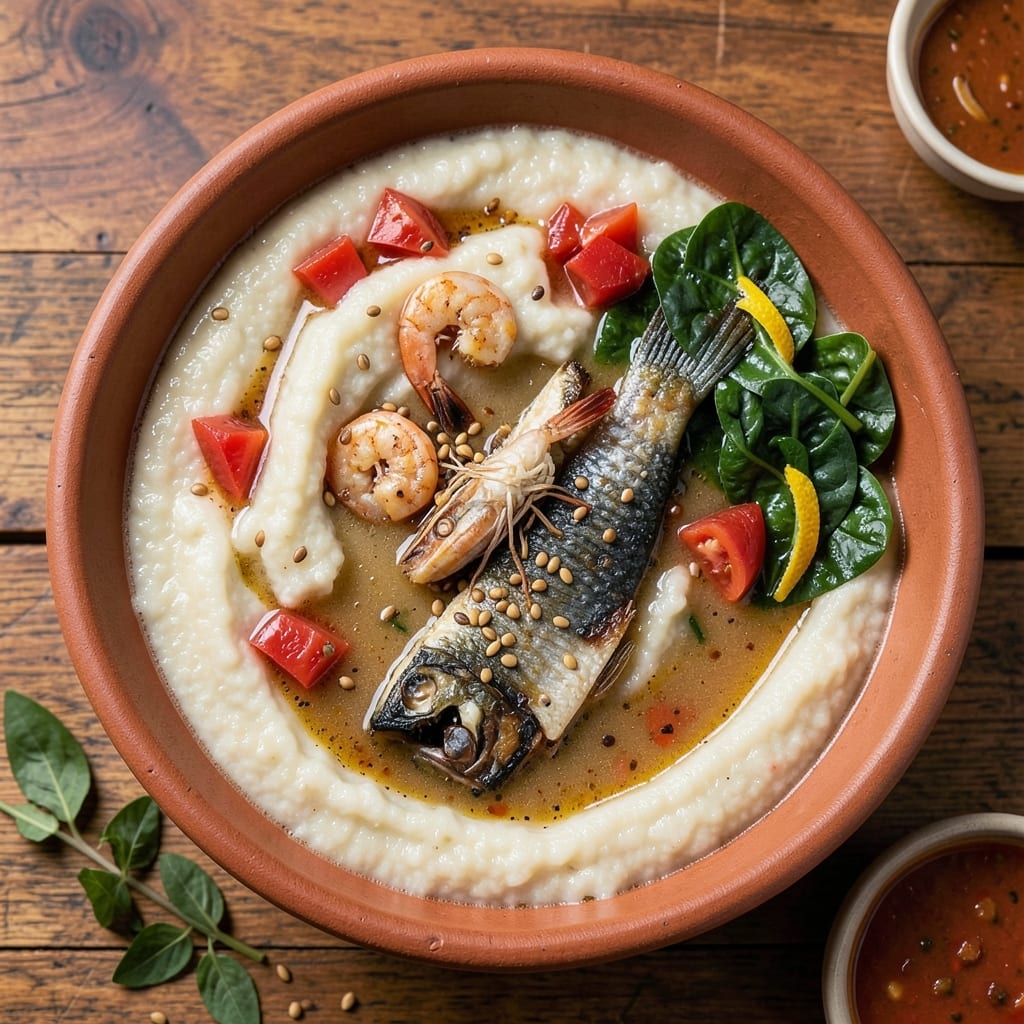
This African fufu soup recipe brings the heart of West African cuisine to your kitchen with its signature silky dough and rich, flavorful broth. 🌟 The combination of pounded yam or cassava dough and a savory soup—whether made with egusi, peanut, or meat—creates a meal that's both comforting and deeply satisfying. What makes this dish special is its cultural significance and the way it transforms simple ingredients into something extraordinary.
The fufu itself is a labor of love, requiring patience and the right technique to achieve that perfect, stretchy texture. While it may seem intimidating at first, the process is straightforward once you understand the key steps—boiling and pounding the dough until it's smooth and elastic. The accompanying soup, packed with vegetables, protein, and aromatic spices, balances the dough's mild flavor with bold, savory notes.
By the time you finish preparing this dish, you'll have a meal that's not just about taste but also about tradition. The fufu's silky consistency contrasts beautifully with the hearty soup, creating a harmonious bite that's both filling and delicious. It's the kind of recipe that brings people together, making it perfect for family gatherings or special occasions.
Whether you're making this for the first time or perfecting your technique, the result is always worth the effort. The rich aroma of the soup and the satisfying stretch of the fufu make every bite unforgettable. Let's get started on this authentic West African experience!
Ingredients for african fufu soup
Six servings of tradition in every bite—silky yam dough meets hearty West African flavors.
| Ingredient | Amount | Notes |
|---|---|---|
| Yam or Cassava 🥔 | 2 lbs | Peeled and cut into chunks |
| Fresh Leafy Greens 🌿 | 4 cups | Spinach or bitterleaf preferred |
| Egusi Seeds 🌰 | 1 cup | Toasted for enhanced flavor |
| Dried Shrimp 🦐 | ½ cup | Rehydrated in warm water |
| Smoked Fish 🐟 | 1 whole | Stockfish or smoked mackerel |
| Fresh Tomatoes 🍅 | 4 whole | Roma or vine tomatoes |
| Fresh Ginger 🌶️ | 2 tbsp | Grated, for aromatic depth |
| Scotch Bonnet Peppers 🌶️ | 2 whole | Adjust for heat preference |
| Onions 🧅 | 2 whole | Yellow or red, chopped |
| Garlic Cloves 🧄 | 6 cloves | Minced for aromatic base |
| Vegetable Oil 🫒 | ½ cup | For sautéing ingredients |
| Ground White Pepper 🌶️ | 1 tsp | Freshly ground preferred |
| Salt 🧂 | 1 ½ tsp | Adjust to taste |
| Palm Oil 🫒 | ¼ cup | For rich color and flavor |
| Locust Beans 🌱 | ½ cup | Optional for earthy depth |
The yam or cassava is your foundation—look for firm, unblemished tubers at African markets or specialty grocers. Costco or Whole Foods often carry cassava, but yam works just as well. If you can't find fresh, frozen cassava flakes work in a pinch, though texture will differ. The leafy greens? Bitterleaf is ideal if you're feeling adventurous, but spinach or collards are perfect substitutes. Egusi seeds are non-negotiable for that nutty depth—toast them lightly in a dry pan before grinding to intensify flavor. Dried shrimp adds umami, but rehydrate them properly—soak in warm water for 15 minutes before using.
No smoked fish? Dried anchovies or sardines work beautifully—just rinse them well first. Skip the Scotch bonnet? Jalapeño or habanero at half the amount gives similar heat. The palm oil might be tricky to find—check the international aisle at Whole Foods or Amazon. Locust beans are optional but worth hunting down for that earthy, almost mushroom-like flavor. Fresh ginger and garlic? Always use fresh—dried just won't cut it here. And if you're short on time, pre-minced garlic from a jar is fine, but freshly minced is ideal. The tomatoes should be ripe but firm—roma tomatoes hold up best when sautéed.
The fufu dough keeps 2-3 days in the fridge, covered tightly in plastic wrap to prevent drying. For longer storage, freeze portions in airtight containers for up to 3 months. The soup base, without the dough, stays fresh for 5 days in the fridge—perfect for making ahead. I always double the soup and freeze half; thaw overnight in the fridge before reheating. The locust beans? Store them in a cool, dry place—they'll last 6-12 months unopened. And if you're making this for a crowd, prep the dough and soup separately—they come together in minutes when serving.
Why You'll Love This Recipe
- I swear by this shortcut: boil the yam or cassava, then mash it with a little water until it stretches like dough. No fancy tools, no sore arms—just a wooden spoon and patience.
- No Pounding Required: I swear by this shortcut: boil the yam or cassava, then mash it with a little water until it stretches like dough. No fancy tools, no sore arms—just a wooden spoon and patience.
- Umami Bomb Combo: That smoky fish and dried shrimp? Absolute magic. The egusi seeds add this nutty depth, while the leafy greens (spinach, bitter leaf, whatever you have) soften into a rich, savory broth that tastes like home.
- Leftovers That Beg for More: Between us, this soup only gets better after sitting overnight. The flavors meld, and the fufu softens just enough to be perfect for lunch. I make double batches—trust me, you will too.
Step-by-step instructions for West African yam and leafy greens soup
Here's how to craft this hearty West African classic with rich flavors and perfect texture.
🍳 Step 1: Toast the Egusi Seeds for Nutty Depth
Heat a dry skillet over medium heat and add the 1 cup egusi seeds. Toast them for 3-4 minutes, stirring constantly, until they turn a rich golden brown and release their nutty aroma. This step is crucial—it enhances their flavor and prevents bitterness in the final soup.
Watch closely as they toast; they burn quickly. When they smell deeply aromatic and look evenly browned, immediately transfer them to a bowl to cool. I like to grind them lightly with a mortar and pestle (or blender) just before adding to the soup for maximum freshness.
🍳 Step 2: Build the Flavor Base with Aromatics
In a large pot, heat 0.5 cup vegetable oil over medium heat. Add the 2 chopped onions and cook for 5 minutes until soft and translucent. Stir in the 6 minced garlic cloves and 2 tbsp grated ginger, cooking for another 2 minutes until fragrant.
Here's where the magic happens: add the 2 whole Scotch bonnet peppers (seeds removed if you prefer less heat) and 4 chopped fresh tomatoes. Cook for 8-10 minutes until the tomatoes break down into a thick paste. This creates the flavor foundation for your soup.
🥘 Step 3: Layer the Protein and Seasonings
Add the 1 whole smoked fish (broken into pieces) and 0.5 cup rehydrated dried shrimp to the pot. Stir well to coat in the tomato mixture. Pour in 4 cups water and bring to a gentle boil. Reduce heat to low-medium and simmer for 10 minutes to infuse the flavors.
Now add the 0.5 cup toasted egusi seeds, 0.5 cup locust beans, 1.5 tsp salt, and 1 tsp ground white pepper. Stir in the 0.25 cup palm oil—this gives the soup its signature rich color and depth. Let everything simmer together for 15 minutes to develop the flavors.
🥘 Step 4: Add the Yam and Greens for Perfect Texture
Add the 2 lbs peeled yam or cassava chunks to the pot. Simmer for 15-20 minutes until the yam is tender when pierced with a fork but still holds its shape. You want it silky inside but not mushy.
In the last 5 minutes, stir in the 4 cups fresh leafy greens. The greens should wilt quickly—this is your signal they're perfectly cooked. Taste and adjust seasoning if needed. The soup should be rich, flavorful, and balanced between the earthy yam, nutty egusi, and smoky fish.
⏰ Step 5: Rest and Serve with Traditional Pairings
Remove from heat and let the soup rest for 5 minutes. This allows the flavors to meld completely. Serve immediately with fufu (pounded yam or cassava) on the side—it's the perfect vehicle for soaking up every bit of this flavorful broth.
For an authentic experience, serve with a side of spicy pepper sauce or extra scotch bonnet peppers on the table. The contrast between the smooth fufu and rich soup creates the ultimate West African dining experience.
Pro Tips For Making African Fufu Soup
- SOAK EGUSI FIRST: Skip the dry grind—soak egusi seeds in warm water for 10 minutes before blending. This softens the shells, cuts down on grittiness, and makes your soup creamier without extra oil. (Yes, even if you’re impatient like me, trust the process.)
- PEEL CASSAVA THIN: Use a sharp knife and slice off just the purple outer layer—no need to strip all the skin. Thicker peels mean bitter-tasting fufu, and that’s a flavor you’ll regret later. (Pro tip: Save the peels for stock if you’re feeling fancy.)
- LOW AND SLOW FOR FUFU: Boil your yam/cassava dough at a gentle simmer, not a rolling boil. Too much heat makes it gluey; low heat keeps it light and stretchy. Stir occasionally, and resist the urge to rush—this is where texture magic happens.
- SMASH FISH FIRST: Break smoked fish into rough chunks before adding to the pot. Whole fillets take forever to soften, and you’ll end up with uneven flavor distribution. A quick smash with the back of a knife gets it cooking faster and more evenly.
Troubleshooting this recipe
Fufu Too Dense?
If your fufu turns out dense instead of silky, you likely didn't boil the yam or cassava long enough. Boil the chunks until they're completely tender—about 20-25 minutes for yam, 15-20 minutes for cassava. Over-boiling can make it mushy, so test with a fork: it should pierce easily but still hold shape. Also, ensure you're pounding with enough water—start with 1 cup and add more as needed. 💫
Soup Too Watery?
Watery soup usually means the yam wasn't cooked long enough to thicken the broth. Simmer the yam chunks for an extra 5-10 minutes until they break down slightly. For instant thickening, mash a few cooked yam pieces directly into the pot. If using locust beans, ensure they're properly soaked (overnight) and softened before adding. A splash of palm oil also helps emulsify the broth.
Egusi Bitter Taste?
Toast your egusi seeds until they're a deep golden brown—this removes bitterness. If they still taste bitter, they might be old. Store-bought egusi loses flavor after 3 months, so buy fresh or toast extra to neutralize any off-flavors. For extra insurance, grind the toasted seeds just before adding to the soup to preserve their freshness. 🌰
Fish Overpowering?
If the smoked fish dominates the flavor, reduce the amount to ½ of a fish or use a milder fish like tilapia. Balance with more leafy greens or locust beans to dilute the intensity. For a cleaner taste, rinse the fish thoroughly before adding it to the pot. The key is letting all ingredients simmer together for 15 minutes so flavors meld evenly.
Greens Still Crunchy?
Leafy greens need just 3-5 minutes to wilt properly. If they're still tough, add them earlier in the cooking process (with the yam) or chop them finely to reduce cooking time. For bitter greens like bitterleaf, blanch them in boiling water for 1 minute before adding to the soup to soften them faster. 🌿
Fufu Sticking to Hands?
This happens when the dough is too dry. Keep the fufu dough covered with a damp towel while working to prevent drying. If it starts sticking, wet your hands slightly with water before shaping. For extra smoothness, add 1-2 tablespoons of water at a time while pounding. The dough should feel slightly tacky but not wet—like playdough. 💪
Nutrition facts
Frequently asked questions
What's the best way to make fufu without a mortar and pestle?
Use a food processor or high-powered blender! Process the boiled yam/cassava in batches with 1-2 tablespoons of water at a time until smooth. For extra silkiness, transfer to a bowl and knead with wet hands until elastic. Avoid over-processing or it'll turn gummy.
Can I substitute cassava for yam in this recipe?
Cassava works perfectly and is often preferred for its neutral flavor. Just note that cassava cooks faster (15-20 minutes) than yam (20-25 minutes). For best texture, boil until completely tender but not mushy.
How do I store leftover fufu soup?
Store the soup (without fufu) in an airtight container for 5 days in the fridge. Reheat gently on low heat, adding 1-2 tablespoons of water if it thickens. For the fufu, wrap portions in plastic and freeze for 3 months—thaw overnight in the fridge before reheating.
What makes this soup different from other West African soups?
This recipe combines three signature elements: the silky fufu dough, nutty toasted egusi, and rich palm oil base. Unlike lighter soups, the yam chunks thicken the broth naturally, creating a hearty, one-pot meal that's both comforting and deeply flavorful.
Can I make this recipe without palm oil?
Yes, but the flavor will be different. Use 2 tablespoons of vegetable oil instead, though the soup won't have the same rich color. For depth, add ½ teaspoon of smoked paprika to mimic the smoky notes. The texture will remain the same, but the flavor profile changes slightly.