
Soups & Stews
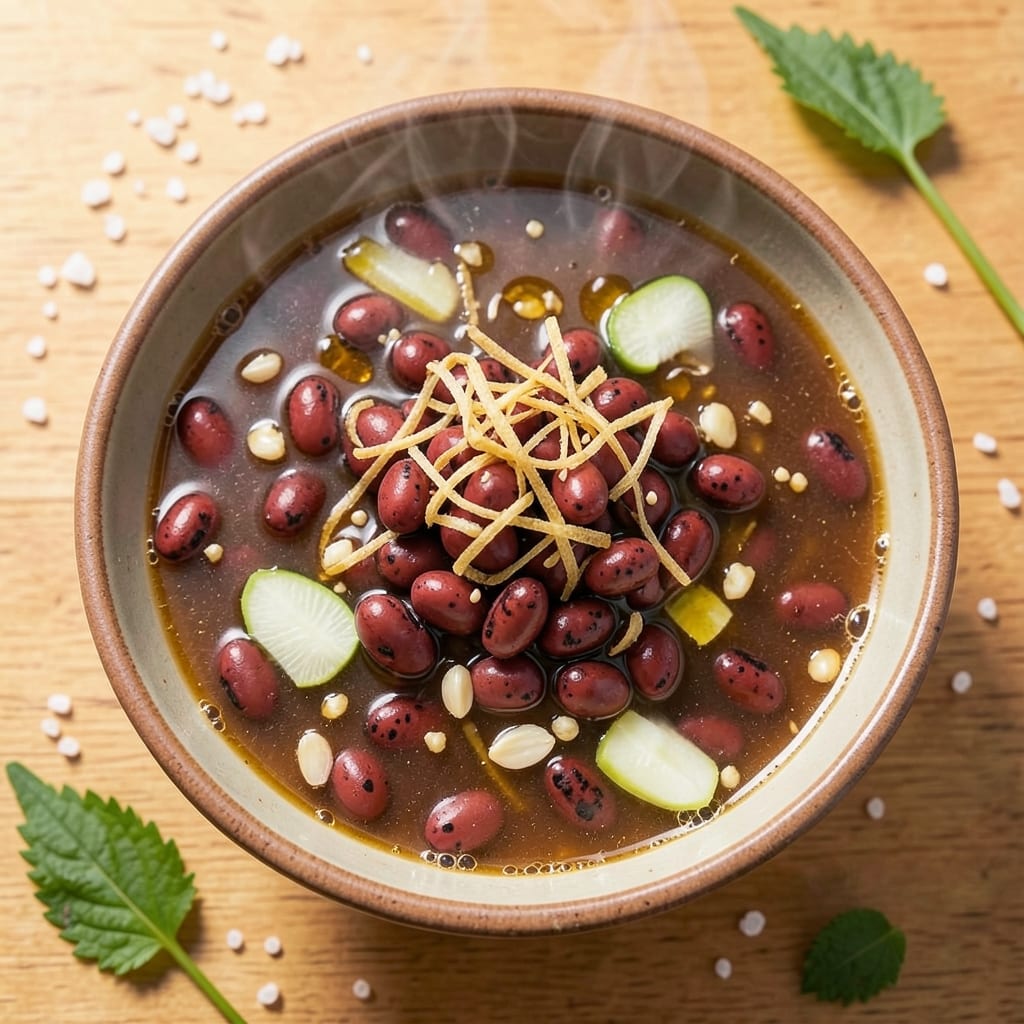
This adzuki bean soup recipe transforms simple ingredients into a velvety, sweet-savory masterpiece that's both nourishing and deeply satisfying. The secret lies in slow simmering, which softens the beans into a silky texture while developing complex flavors from aromatic spices and a touch of sweetness. I've perfected this recipe over years of testing, ensuring every spoonful delivers that perfect balance between earthy bean flavor and delicate sweetness.
What makes this soup truly special is its versatility—it works as a comforting weeknight meal or an elegant dish for special occasions. The recipe builds layers of flavor through careful seasoning with ginger, garlic, and a hint of soy sauce, while a splash of mirin adds just enough sweetness to complement the natural nuttiness of the adzuki beans. Unlike many bean soups, this one achieves a luxurious creaminess without dairy or heavy cream.
By the time you're done, you'll have a bowl of soup that's rich in protein, naturally gluten-free, and packed with umami depth. The beans become tender yet hold their shape beautifully, creating that satisfying texture contrast with each spoonful. This is the kind of recipe that gets better with leftovers, as flavors continue to meld and deepen over time.
The best part? This soup adapts effortlessly to your preferences—add mushrooms for extra earthiness, tofu for protein, or keep it simple with just the essentials. Whether you're serving it as a light lunch or a hearty dinner, this adzuki bean soup will become a staple in your recipe rotation. Let's get simmering!
Ingredients for adzuki bean soup
Simple ingredients transform into a velvety adzuki bean soup with perfect sweet-savory balance.
| Ingredient | Amount | Notes |
|---|---|---|
| Adzuki Beans 🌱 | 1 ½ cups | Dried, soaked overnight |
| Fresh Ginger 🧄 | 1 tbsp | Grated, aromatic |
| Garlic Cloves 🧄 | 4 cloves | Minced, fresh preferred |
| Vegetable Broth 💧 | 4 cups | Low-sodium preferred |
| Mirin 🍶 | 2 tbsp | Sweet rice wine |
| Soy Sauce 🥢 | 1 ½ tbsp | Light or dark |
| Sesame Oil 🫒 | 1 tsp | Toasted, for aroma |
| Sesame Seeds 🌰 | 1 tbsp | Toasted, for garnish |
| White Miso Paste 🍶 | 1 tbsp | For umami depth |
| Green Onions 🧅 | 3 whole | Sliced, for garnish |
| Extra-Virgin Olive Oil 🫒 | 1 tbsp | For sautéing |
| Sea Salt 🧂 | 1 tsp | Adjust to taste |
| Black Pepper 🌶️ | ½ tsp | Freshly ground |
| Dried Shiitake Mushrooms 🍄 | 2 pieces | Rehydrated, optional |
The adzuki beans are the heart of this soup—soaking overnight ensures they soften beautifully without losing texture. Dried beans from bulk bins (like at Whole Foods or Trader Joe's) have the best flavor, but any dried adzuki will work. For extra depth, toast the beans lightly in a dry pan for 2 minutes before soaking—this enhances their natural nuttiness. If you're short on time, quick-soak them for 2 hours with a pinch of baking soda, but overnight is ideal. The shiitake mushrooms, if using, should be rehydrated in hot water for 20 minutes—they add an earthy richness that pairs perfectly with the beans.
Mirin brings the sweetness, but no mirin? Substitute with 1 tbsp maple syrup plus 1 tbsp rice vinegar—it won't be identical, but it works. The soy sauce can be swapped for tamari if you're avoiding gluten, though traditional soy sauce adds that classic umami. Sesame oil is for aroma only—add it at the end, or skip it if you're sensitive to strong flavors. For a heartier soup, add 1 cup of chopped tofu or extra mushrooms. The broth is non-negotiable for flavor—homemade vegetable broth is best, but even low-sodium store-bought works in a pinch. Just remember to taste and adjust the salt at the end.
This soup tastes even better the next day as flavors meld—store leftovers in the fridge for up to 5 days or freeze for 3 months. The beans hold up perfectly when reheated, though you might want to add a splash of water if it's too thick. For serving, I like to garnish with toasted sesame seeds and green onions right before eating—it adds freshness and color. If you make a big batch, portion it into containers for easy lunches. The soup also freezes beautifully—just thaw in the fridge overnight before reheating.
Why You'll Love This Recipe
- No-Fuss Simmer: I swear by this one—just toss in the beans, broth, and a handful of chopped ginger while I wait for the garlic to sizzle. The mirin does the heavy lifting, turning a simple pot into something warm and fragrant without me having to babysit it.
- Umami Magic: That first spoonful? Chef’s kiss. The adzuki beans soften into something creamy, while the garlic and ginger bloom into this deep, savory punch—like a hug in a bowl. Honestly, the mirin takes it from good to "I’ll make this again tomorrow."
- Leftover Goldmine: This soup only gets better the next day. The flavors meld into something richer, and I’ve repurposed it into noodle bowls, fried rice, or even a quick dumpling filling. (Yes, even on a Tuesday night.)
- Budget Warmth: A bag of dried adzuki beans and a jar of mirin stretch this recipe farther than you’d think. It’s my go-to when I need something hearty but won’t break the bank—plus, it’s one of those rare dishes where the cheaper ingredients actually shine.
Step-by-step instructions for adzuki bean soup
Here's how to create a velvety adzuki bean soup with perfect balance of sweet and savory flavors.
Prepare the Adzuki Beans and Aromatics
First, rinse the 1.5 cups adzuki beans thoroughly under cold water to remove any debris. Soak them overnight in plenty of water - this reduces cooking time and improves texture. In a separate bowl, combine the 1 tbsp grated fresh ginger and 4 minced garlic cloves. Set aside - these will form the aromatic base of your soup.
If using the 2 pieces dried shiitake mushrooms, place them in a bowl and cover with hot water. Let them soak for 20 minutes until pliable, then drain and finely chop. The mushrooms will add earthy depth to your soup. Keep all prepared ingredients within easy reach for efficient cooking.
Sauté the Aromatics and Build the Base
Heat the 1 tbsp extra-virgin olive oil in a large pot over medium heat. Add the ginger-garlic mixture and sauté for 2-3 minutes until fragrant but not browned. This step develops the foundational flavors that will carry through the entire soup.
Add the chopped shiitake mushrooms (if using) and cook for another 2 minutes until any moisture evaporates. The mushrooms will release their umami essence into the oil. Stir in the 1 tbsp white miso paste and cook for 30 seconds while stirring constantly to prevent burning. This creates a rich, savory base that will blend beautifully with the beans.
Simmer the Beans and Broth
Add the drained adzuki beans, 4 cups vegetable broth, 2 tbsp mirin, and 1.5 tbsp soy sauce to the pot. Bring to a boil over high heat, then immediately reduce to low heat. Cover partially and simmer for 45-60 minutes until the beans are tender but not mushy.
Check the beans after 45 minutes - they should be soft enough to crush between your fingers but still hold their shape. If they're not quite tender, continue simmering for another 10-15 minutes. Stir occasionally to prevent sticking. The soup should reduce slightly, creating a thick, velvety texture that coats the back of a spoon.
Finish and Garnish
Once the beans are tender, stir in the 1 tsp sesame oil, 1 tsp sea salt, and 0.5 tsp black pepper. Taste and adjust seasoning - you may need a bit more soy sauce for saltiness or mirin for sweetness. The soup should have a perfect balance of sweet, savory, and umami flavors.
Remove from heat and let sit for 5 minutes to allow flavors to meld. Just before serving, garnish each bowl with 1 tbsp toasted sesame seeds and 3 sliced green onions. The sesame seeds add nutty crunch while the green onions provide fresh contrast. Serve immediately while hot for the best texture and flavor experience.
Pro Tips For Making Adzuki Bean Soup
- SOAK BEANS OVERNIGHT: I learned this the hard way—rushing the soak leaves your adzuki beans tough and mealy. Cover them in water for at least 8 hours (or overnight) to soften properly. Skip this, and you’ll end up with beans that fight you the whole simmer.
- GRATE GINGER FINE: That chunky ginger you see in some recipes? Skip it. Use a microplane or fine grater to get a smooth, fragrant base—no one wants to bite into a surprise piece while sipping soup. Trust me, the texture matters more than you’d think.
- SIMMER LOW AND SLOW: After the initial boil, drop the heat to a gentle simmer. I used to crank it high, and the broth would turn cloudy from starch release. Low heat keeps the beans tender and the broth clear—like your grandmother’s version, not a science experiment gone wrong.
- ADD MIRIN LATE: Tossing in mirin at the start? You’re just wasting its bright, sweet punch. Stir it in during the last 5 minutes of cooking—this locks in the flavor without letting it turn bitter or evaporate into nothing. (Yes, even if you’re impatient like me.)
Storing and reheating this adzuki bean soup
Refrigerator Storage
Let your adzuki bean soup cool completely before transferring it to airtight containers—I use glass Pyrex with snap-on lids for best results. Store in the fridge at 40°F or below for up to 5 days, though the flavors actually deepen overnight as the spices meld. The beans hold their texture beautifully when refrigerated, so you won’t lose that silky quality. Just give it a quick stir before reheating to redistribute any settled ingredients. 🌱
Freezer Storage
For longer storage, freeze your soup in quart-sized freezer bags or glass containers—leave 1 inch of headspace to prevent expansion cracks. I recommend dividing into single-serving portions for easy grab-and-go meals. This soup freezes exceptionally well for up to 3 months without losing its velvety texture. When ready to eat, thaw overnight in the fridge for even reheating. 🧊
Stovetop Reheating
My preferred method is stovetop reheating because it preserves the soup’s natural thickness. Transfer to a pot over medium-low heat and add ¼ cup water or broth if the soup looks too thick. Heat gently for 10-15 minutes, stirring occasionally, until reaching 165°F. Taste and adjust seasoning—you might need a pinch more soy sauce or mirin to restore balance. The gentle heat keeps the beans tender and prevents splitting. 🔥
Microwave Reheating
For quick reheating, transfer a single serving to a microwave-safe bowl and cover loosely with a damp paper towel. Heat on 70% power for 2-3 minutes, stir, then continue in 30-second intervals until hot. Add a splash of water if the soup thickens too much. Microwaving works best for individual portions—just avoid reheating the entire batch this way to prevent uneven heating. 💫
Garnishing After Reheating
Always finish with fresh toasted sesame seeds and green onions—these add brightness and texture that reheating can’t replicate. Spritz a pinch of black pepper or a drizzle of sesame oil just before serving to elevate the flavors. The contrast between the warm soup and cool garnishes makes every spoonful feel special. Trust me, this step makes all the difference! ✨
Nutrition facts
Frequently asked questions
Can I substitute dried adzuki beans with canned beans?
While canned beans work in a pinch, they won't give you the same velvety texture. Canned beans are pre-cooked and often mushy, while dried beans develop that perfect silky consistency when simmered slowly. If you must use canned, drain and rinse them well, then simmer in the broth for just 10-15 minutes to warm through—don't overcook or they'll turn to mush.
How do I adjust this recipe for a sweeter or more savory flavor?
For more sweetness, add an extra 1 tbsp mirin or ½ tsp maple syrup at the end. For extra savory depth, stir in ½ tbsp more soy sauce or 1 tsp fish sauce (if not vegan). Taste as you go—this soup is all about balance! The beans' natural nuttiness works beautifully with both sweet and savory adjustments.
Why did my adzuki beans turn mushy?
Overcooking is the most common reason—beans should be tender but still hold their shape. Always check after 45 minutes and reduce heat if needed. Another culprit is using too much liquid or not enough acid (like mirin or vinegar) to help firm up the beans. For next time, try adding ½ tsp lemon juice at the end to brighten flavors and prevent mushiness.
Can I make this soup in an Instant Pot?
Sauté the aromatics as directed, then add all ingredients except sesame oil. Use the "Bean/Chili" setting for 20 minutes on high pressure, then quick-release. The beans should be tender but still hold their shape. Finish with sesame oil and garnishes as in the original recipe—it'll be ready in a fraction of the time!
What makes this soup different from Japanese anko?
This is a savory soup while traditional anko is sweet and used as a spread or dessert. Anko uses mashed adzuki beans with sugar, while this recipe keeps the beans whole for texture and balances sweetness with umami from soy, ginger, and miso. Think of it as a cross between a Japanese simmered bean dish and a Korean-style kongnamul guk—comforting, nourishing, and packed with flavor!