
Soups & Stews
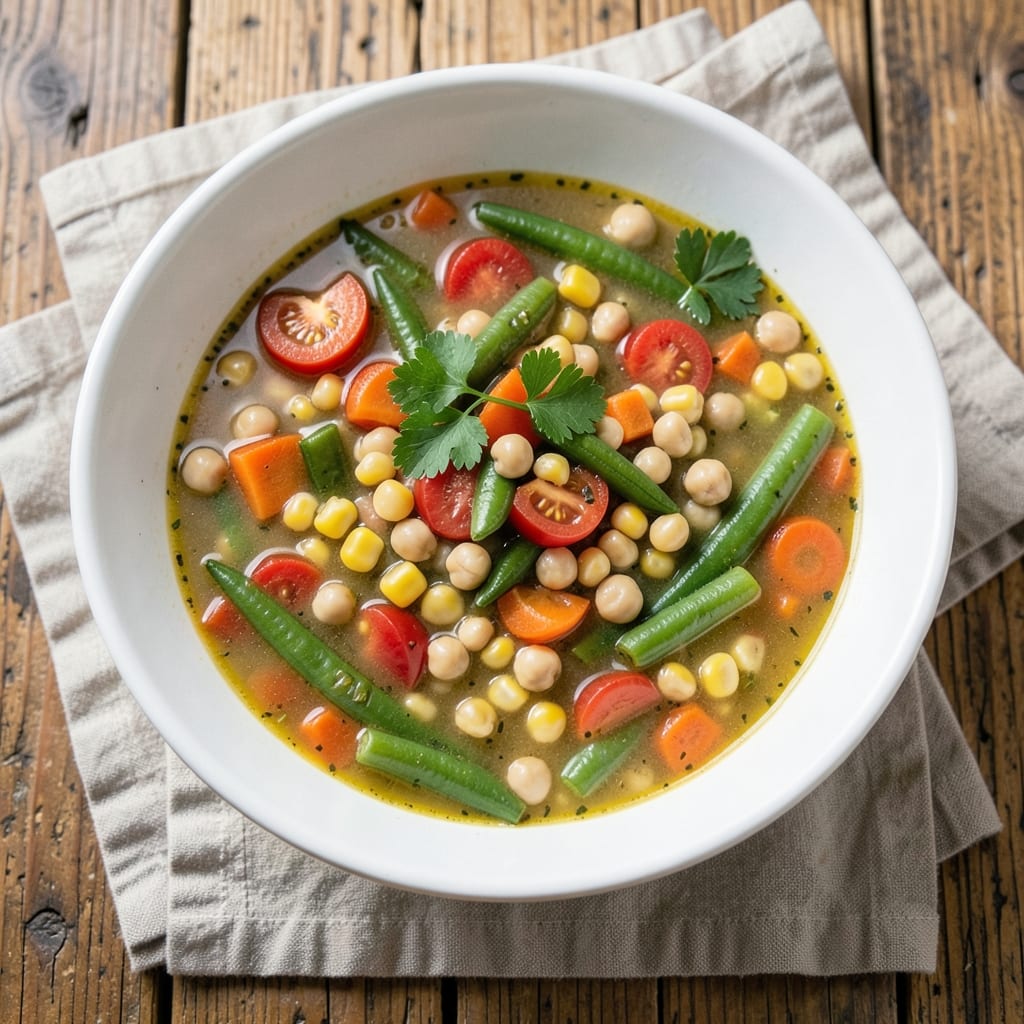
This 5-can vegetable soup recipe transforms pantry staples into a deeply satisfying meal that's ready in just 30 minutes. The beauty lies in its simplicity—no fresh produce required, just five cans of vegetables that come together with broth, spices, and a touch of acidity to balance the flavors. I developed this recipe during a particularly busy week when I needed a hearty, nourishing meal without the fuss of chopping or prepping.
The magic happens in the seasoning and acidity. A splash of vinegar or lemon juice brightens the soup, while garlic powder, onion powder, and a pinch of salt enhance the natural flavors of the vegetables. The result is a soup that's rich in texture—soft vegetables, tender beans, and a broth that's deeply flavorful without being heavy. It's the kind of meal that warms you from the inside out, perfect for chilly evenings or when you need comfort in a bowl.
What makes this recipe stand out is its versatility. You can adjust the vegetables based on what you have in your pantry—corn, carrots, green beans, or even tuna for a protein boost. The soup also reheats beautifully, making it ideal for meal prep. Serve it as-is or garnish with fresh herbs, a drizzle of olive oil, or a sprinkle of cheese for extra depth.
This is more than just a soup—it's a testament to how a few simple ingredients can create something extraordinary. Whether you're feeding a family or meal prepping for the week, this recipe delivers heartiness, flavor, and satisfaction without the hassle. Let's get cooking!
Ingredients for 5 can vegetable soup
Five cans, one pot, a pantry full of possibilities waiting to become soup.
| Ingredient | Amount | Notes |
|---|---|---|
| Vegetable Broth 💧 | 4 cups | Low-sodium preferred for flavor control |
| Diced Tomatoes with Juice 🍅 | 14 ½ oz | Fire-roasted for extra depth |
| Corn Kernels 🌽 | 15 oz | Canned, drained |
| Green Beans 🧅 | 14 ½ oz | Canned, cut or whole |
| Carrots 🥕 | 15 oz | Canned, sliced |
| Chickpeas 🌱 | 15 oz | Canned, drained |
| Garlic Powder 🧄 | 1 tsp | Freshly ground preferred |
| Onion Powder 🧅 | 1 tsp | No added MSG |
| White Vinegar 🍋 | 1 tbsp | Or lemon juice |
| Salt 🧂 | ½ tsp | Kosher or sea salt |
| Black Pepper 🌶️ | ¼ tsp | Freshly cracked |
| Olive Oil 🫒 | 1 tbsp | For garnish |
| Fresh Parsley 🌿 | ¼ cup | Chopped, optional garnish |
The cans are the stars here—store-brand works just as well as name brands for this recipe, saving you money without sacrificing flavor. I always check the labels for low-sodium broth and fire-roasted tomatoes (the char adds depth), but regular brands still deliver. Trader Joe's has great canned veggies in their freezer section if you want to mix it up with frozen, but canned is perfect for speed. One tip: if your cans are dented or bulging, skip them—safety first. For the chickpeas, Goya or Libby's are my go-tos, but any canned variety will work. The key is to use what you've got—no need to rush to the store for this one.
No fire-roasted tomatoes? Regular diced tomatoes with a pinch of smoked paprika mimics the flavor. Short on green beans? Swap in mushrooms or celery from your pantry. The vinegar can be swapped for lemon juice, but white vinegar has a cleaner tang. For extra protein, add a can of tuna or white beans—just drain them well. The spices are flexible: if you've got fresh garlic and onion, sauté them first for deeper flavor. And if you're using high-sodium broth, cut the added salt in half. This soup is all about adapting to what you've got.
This soup tastes even better the next day—3-4 days in the fridge is ideal, and it freezes beautifully for up to 3 months. I portion mine into containers for easy lunches, and it reheats perfectly with a splash of water or broth. For extra richness, stir in a spoonful of nut butter or coconut milk when reheating. The olive oil and parsley are purely for garnish, but they add that restaurant-quality touch. Store the broth separately if you're prepping ahead—it absorbs flavors better when reheated.
Why You'll Love This Recipe
- Pantry Magic: I swear by this when my fridge is bare—just five cans, a pot, and 20 minutes. No fancy prep, no last-minute grocery runs, just warm, hearty soup that tastes like you put in hours.
- Sweet-Savory Balance: That diced tomato juice cuts through the earthy broth while the corn and carrots add natural sweetness—no extra sugar needed. It’s the kind of flavor that makes you pause mid-sip.
- Lunchbox Hero: Between us, this is my go-to for packed lunches. Cold or reheated, it’s still great—just portion the leftovers into jars, and you’ve got stress-free meals for the week.
- Budget Blanket: Honestly, I make this when I’m pinching pennies. Five cans stretch to feed four, and the ingredients cost less than takeout. Plus, the leftovers? Even better the next day.
Step-by-step instructions for pantry-friendly vegetable soup
Here's how to transform five simple cans into a flavorful, hearty soup in under 30 minutes—no fancy skills required.
Sauté the Aromatics for Depth
Heat the 1 tablespoon olive oil in a large pot over medium heat. Add the 1 teaspoon garlic powder and 1 teaspoon onion powder, stirring constantly for 30 seconds until fragrant. This step builds flavor—don't skip it, even though it's quick.
I like to press the spices into the oil for a few seconds to toast them lightly. You'll smell that warm, savory aroma, which signals the spices are ready to release their full potential into the soup. Keep the heat at medium—too high, and the spices burn before they flavor.
Add Vegetables and Simmer
Pour in the 4 cups vegetable broth, then add the 14.5 oz diced tomatoes with juice, 15 oz corn kernels, 14.5 oz green beans, 15 oz carrots, and 15 oz chickpeas. Stir everything together until the vegetables are fully submerged in the broth.
Bring the soup to a gentle boil over high heat, then immediately reduce the heat to medium-low. Let it simmer uncovered for 15 minutes, stirring occasionally. You want the flavors to meld and the vegetables to soften slightly—not mush. If the soup looks too thick, add ½ cup water to loosen it.
Balance the Flavors
After 15 minutes, stir in the 1 tablespoon white vinegar, ½ teaspoon salt, and ¼ teaspoon black pepper. The vinegar brightens the flavors and cuts through the richness of the tomatoes and chickpeas. Taste the soup—this is where you adjust seasoning. If it needs more acidity, add another ½ teaspoon vinegar. If it's bland, a pinch more salt or a crack of black pepper can save it.
Here's the thing—low-sodium broth can make the soup taste flat if you don't season properly. Don't be shy with the salt and pepper; you can always adjust later. Let the soup simmer for another 5 minutes to let the flavors settle.
Finish and Serve
Remove the pot from heat and let the soup sit for 2-3 minutes to cool slightly. This resting step helps the flavors meld even more. Stir in the ¼ cup chopped fresh parsley just before serving—it adds a fresh, bright note that cuts through the heartiness of the soup.
Ladle the soup into bowls and drizzle with a little more olive oil if you like. The parsley floats on top, adding a pop of color and a hint of freshness. Serve with crusty bread or a side salad for a complete meal. The soup tastes even better the next day, so make extra if you can!
Pro Tips For Making 5 Can Vegetable Soup
- SOFTEN CARROTS FIRST: Toss diced carrots in cold water for 10 minutes before adding them to the pot—this cuts cooking time by half and keeps them from turning mushy. I used to skip this, and my soup always had rubbery carrots lurking in the back.
- DRAIN CORN WELL: Rinse and drain the corn kernels twice before adding them to the soup—those extra juices make the broth watery and dilute the flavor. Trust me, you’ll taste the difference in the first spoonful.
- SIMMER, DON’T BOIL: Keep the heat at a gentle simmer after everything’s combined, or the green beans will turn to mush and the broth will separate. I learned this after one disastrous batch where the soup looked like a science experiment gone wrong.
- STIR IN TOMATOES LAST: Add the diced tomatoes with juice after the broth and other veggies have simmered for 10 minutes—their acidity balances better when they’re not cooking in hot liquid from the start. Your taste buds will notice the brighter, fresher flavor.
Best sauces and condiments for this 5 can vegetable soup
Creamy Upgrade
For a velvety texture, stir in ½ cup coconut milk or ¼ cup sour cream at the end. The coconut milk adds a subtle sweetness that balances the acidity, while sour cream lends a tangy richness. I like to whisk in 1 tablespoon cornstarch mixed with 2 tablespoons water first to thicken the soup slightly before adding the dairy. This creates a luxurious mouthfeel without overpowering the veggie flavors. 🥥
Smoky Depth
Swap the white vinegar for 1 tablespoon smoked paprika mixed with 1 teaspoon apple cider vinegar for a smoky-sweet twist. The paprika mimics the charred flavor of fire-roasted tomatoes, while the vinegar keeps the brightness. For extra smokiness, add ½ teaspoon liquid smoke (like La Choy) to the broth before simmering. This works especially well if you're using regular diced tomatoes instead of fire-roasted.
Spicy Kick
Boost the heat with ½ teaspoon cayenne pepper or 1 teaspoon hot sauce (like Tabasco) when balancing flavors. For a layered spice profile, add ½ teaspoon ground cumin and ¼ teaspoon chili powder along with the garlic and onion powders. The cumin adds earthiness, while the chili powder brings a subtle heat that pairs perfectly with the sweetness of the corn and carrots. Always taste first—you can tone it down with a splash of broth if needed.
Umami Boost
Add depth with 1 teaspoon soy sauce or 1 tablespoon Worcestershire sauce when stirring in the vinegar. These ingredients bring a savory richness that complements the vegetables beautifully. For a vegetarian-friendly option, use 1 teaspoon miso paste (dissolved in 1 tablespoon warm water) instead. The umami from the miso elevates the entire soup, making it taste more complex and satisfying. Just be sure to stir it in at the very end to avoid overpowering the other flavors.
Herb Infusions
Swap the parsley for fresh thyme or basil for a different herbal note. Thyme adds an earthy warmth that pairs wonderfully with the carrots and chickpeas, while basil brings a bright, slightly sweet flavor that cuts through the richness. For a Mediterranean twist, add ¼ teaspoon dried oregano with the garlic and onion powders. Fresh herbs should be added at the end, but dried herbs can be simmered with the vegetables for deeper flavor integration.
Cheesy Finish
Top each serving with ¼ cup shredded cheddar or feta cheese for a creamy, salty finish. The cheese melts slightly from the heat of the soup, creating a delicious contrast with the bright vegetables. For a vegan option, use nutritional yeast (about 1 tablespoon per serving**)—it adds a cheesy flavor without dairy. Sprinkle the cheese on top just before serving so it doesn't get soggy from the broth. This is especially satisfying on chilly days when you need extra comfort. 🧀
Nutrition facts
Frequently asked questions
Can I substitute any of the canned vegetables?
This recipe is all about flexibility. Swap any vegetable for what you have—try canned mushrooms, peas, or even artichoke hearts. For extra protein, add a can of white beans or tuna. The key is maintaining balance: if you remove starchy veggies (like corn or chickpeas), add a can of broth or water to keep the soup from thickening too much.
Why does my soup taste bland? Low-sodium broth often needs extra seasoning. After simmering, taste the soup and adjust with more salt, pepper, or even a splash of vinegar. A pinch of smoked paprika or a dash of hot sauce can add depth too.
How can I make this soup thicker or creamier?
For a thicker texture, stir in 1 tablespoon cornstarch mixed with 2 tablespoons water and simmer for 2-3 minutes. For creaminess, add ½ cup coconut milk or ¼ cup sour cream at the end. If you prefer a dairy-free option, blend ½ cup of the soup and stir it back in—this creates a silky consistency without extra ingredients. Always add thickeners gradually to avoid over-thickening.
Can I meal prep this soup?
Yes! This soup reheats beautifully. Store it in airtight containers in the fridge for up to 4 days or freeze for 3 months. When reheating, add a splash of broth or water to prevent drying out. For best results, don't reheat directly from frozen—thaw overnight first. The flavors actually improve after the first day, making it perfect for lunches.
What's the best way to serve this soup?
Garnish with fresh parsley, a drizzle of olive oil, or a sprinkle of cheese for extra flair. Serve with crusty bread, crackers, or a simple side salad. For a complete meal, add a protein like grilled chicken or tofu. The soup's hearty texture makes it satisfying on its own, but these additions elevate it further.