
Soups & Stews
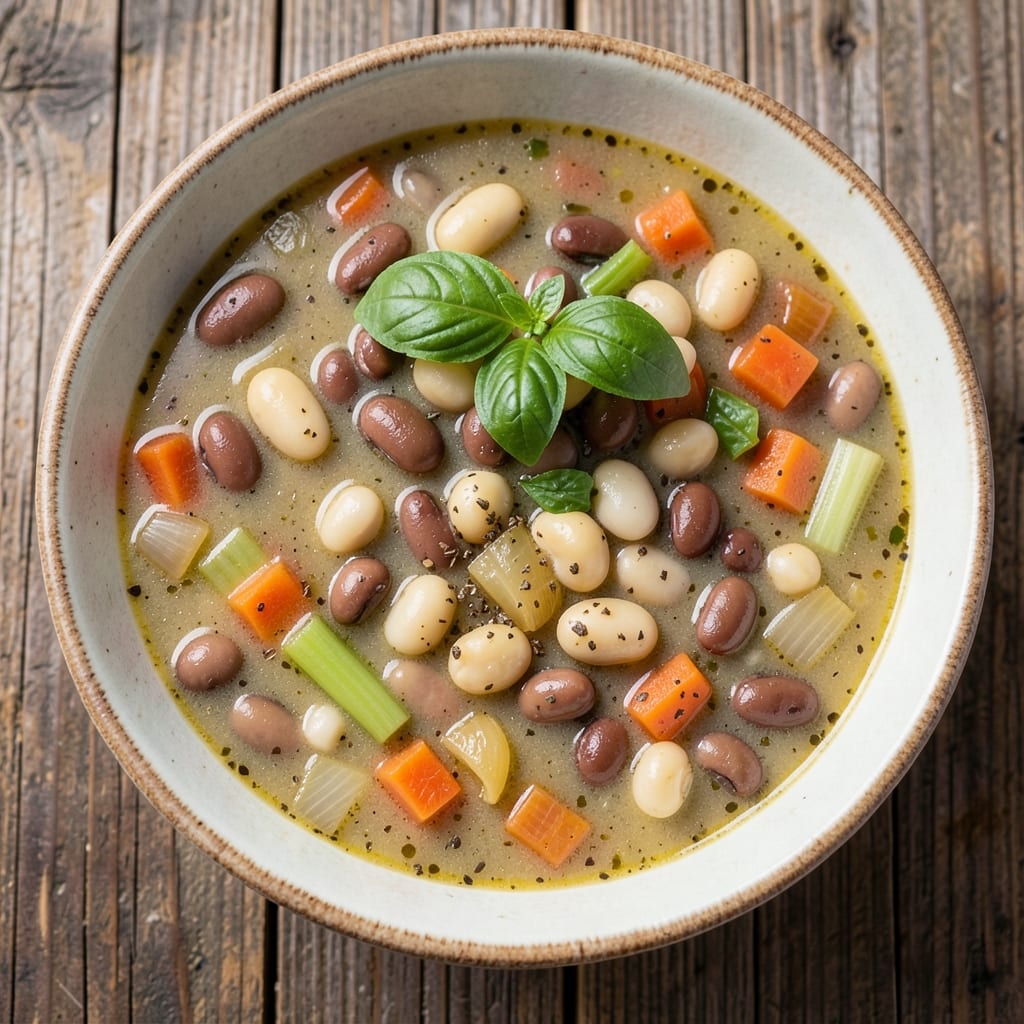
This 3 bean minestrone soup recipe transforms humble pantry staples into a hearty, flavor-packed Italian classic that simmers to rich, comforting perfection. The magic lies in combining three bean varieties—kidney, cannellini, and white—for a symphony of textures and earthy depth, while fresh herbs and tomatoes create that signature Italian brightness. I developed this version after years of testing, balancing traditional techniques with modern shortcuts like canned beans and pre-chopped vegetables to keep it accessible without sacrificing authenticity.
The beauty of minestrone is its versatility—this recipe delivers restaurant-quality results in just one pot, with tender beans, al dente pasta, and a broth so flavorful it needs no garnish. The secret? Toasting the garlic and herbs in olive oil before adding liquids to build layers of aroma, then letting everything simmer low and slow until the flavors meld into harmony. No fancy ingredients required—just good-quality canned tomatoes, vegetable broth, and whatever seasonal vegetables you have on hand.
What you'll end up with is a bowl of soul-warming soup that's hearty enough for a cold evening but light enough for lunch. The beans stay tender yet hold their shape, the pasta absorbs the savory broth, and every spoonful delivers a perfect balance of earthy, tangy, and herby notes. It's the kind of dish that tastes even better the next day, making it ideal for meal prep or feeding a crowd. The best part? It's vegetarian-friendly but packed with protein and fiber, proving that comfort food can be nutritious too.
Serve it as-is for a rustic feel, or top with a sprinkle of fresh basil, grated Parmesan, and a drizzle of olive oil for an extra touch of elegance. This recipe scales beautifully—double the batch for leftovers or freeze portions for future meals. Let's get simmering! Here's everything you need to create your own Italian pantry masterpiece.
Ingredients for 3 bean minestrone soup
Italian pantry staples come together for a soul-warming bowl of comfort.
| Ingredient | Amount | Notes |
|---|---|---|
| Kidney Beans 🌱 | 1 can | Drained, rinsed, medium size |
| Cannellini Beans 🌱 | 1 can | Drained, rinsed, medium size |
| White Beans 🌱 | 1 can | Drained, rinsed, cannellini or great northern |
| Extra-Virgin Olive Oil 🫒 | ½ cup | High quality, fruity variety |
| Yellow Onion 🧅 | 1 whole | Medium size, diced |
| Carrots 🥕 | 3 medium | Peeled, sliced into rounds |
| Celery Stalks 🧅 | 3 whole | Trimmed, chopped |
| Garlic Cloves 🧄 | 4 cloves | Fresh, minced |
| Dried Oregano 🌿 | 1 tsp | Italian variety preferred |
| Dried Thyme 🌿 | 1 tsp | Or 1 tbsp fresh thyme |
| Diced Tomatoes 🍅 | 2 cans | 28 oz each, San Marzano preferred |
| Vegetable Broth 💧 | 4 cups | Low-sodium preferred |
| Pasta 🍝 | 1 lb | Small shapes like ditalini or acini di pepe |
| Fresh Basil Leaves 🌿 | ¼ cup | Chopped, for garnish |
| Sea Salt 🧂 | 1 ½ tsp | Diamond Crystal preferred |
The beans are the heart of this soup—kidney, cannellini, and white—each bringing distinct texture and flavor. Canned beans save time but don't skimp on quality: Muir Glen or Great Northern are my go-tos, but any decent brand works. For the vegetables, Trader Joe's pre-chopped mix is a lifesaver, but fresh carrots and celery hold up just fine. The garlic? Freshly minced makes all the difference—skip the jarred stuff. For the broth, Homemade is ideal, but Pacific Foods low-sodium version works in a pinch. The pasta should be small and sturdy—ditalini or acini di pepe stay put during simmering.
No canned tomatoes? Fresh crushed tomatoes work beautifully, but if you're using them, reduce the broth slightly. Short on fresh basil? Dried basil at half the amount gets you close, though it won't have that bright freshness. The oregano and thyme can be swapped for Italian seasoning if that's what you've got—just taste as you go. For the olive oil, any good-quality extra-virgin will do, but California avocado oil has a higher smoke point if you're worried about burning. The pasta? Cook it al dente—it'll finish in the soup, absorbing all those flavors.
This soup tastes even better the next day—plan ahead and make a big batch. Store in the fridge for up to 5 days or freeze for 3 months. The flavors deepen over time, so don't rush it. For meal prep, portion into containers with a little broth on top to keep everything moist. Reheat gently on the stove, stirring occasionally. Garnish with fresh basil and a drizzle of olive oil just before serving—that final touch makes all the difference.
Why You'll Love This Recipe
- One-Pot Magic: I swear by this recipe because it’s one pot—no chopping chaos, no dirty dishes piling up. Just toss in the kidney beans, cannellini, and white beans (all pre-cooked, thank you), a diced onion, and let the olive oil and simmering broth do the work.
- Triple Bean Bliss: Between us, the combo of smoky kidney beans, buttery cannellini, and tender white beans is ridiculously satisfying. The onions caramelize just enough to add depth without overpowering—honestly, it’s the kind of flavor that makes you want to eat it straight from the pot.
- Meal Prep MVP: This soup tastes even better the next day, which means I can make a big batch on Sunday and have lunch (or dinner) covered all week. Add some greens or pasta later if you’re feeling fancy—it’s that adaptable.
- Budget-Friendly Powerhouse: Beans are my wallet’s best friend, and this recipe stretches them into a hearty, filling meal without breaking the bank. A splash of olive oil and a simple onion base turn cheap ingredients into something that feels like a restaurant-worthy dish.
Step-by-step instructions for Italian-inspired minestrone soup
Here's how to build rich, hearty minestrone with three beans and classic Italian flavors.
Sauté the Vegetable Base
Heat the 0.5 cup extra-virgin olive oil in a large Dutch oven over medium heat. Add the diced yellow onion, sliced carrots, and chopped celery stalks all at once. Cook for 8-10 minutes until the vegetables soften and the onion becomes translucent.
This foundational step develops deep flavor through caramelization. Stir occasionally to prevent browning. I like to press down gently on the vegetables with a wooden spoon during the first few minutes—this helps break them down more quickly and creates a thicker base for the soup.
Add Aromatics and Seasonings
Stir in the minced garlic cloves, dried oregano, and dried thyme. Cook for 1 minute until the garlic releases its pungent aroma. Be careful not to let it burn—garlic darkens quickly and can turn bitter.
Here's where the Italian flavors really come alive. The thyme and oregano should perfume the kitchen. If you're using fresh thyme instead, add it now along with the dried oregano. The combination creates that classic Italian herb profile that makes this soup so comforting.
Build the Soup Foundation
Pour in the 2 cans diced tomatoes (with juices) and the 4 cups vegetable broth. Bring to a gentle boil, then reduce heat to medium-low and let it simmer for 15 minutes. This allows the flavors to meld and the vegetables to soften further.
After 15 minutes, taste and adjust the seasoning with the 1.5 teaspoons sea salt if needed. The soup should be developing a rich, tomatoey base with the vegetables beginning to break down. This is the perfect time to add the beans before the pasta to ensure they cook through without becoming mushy.
Incorporate Beans and Pasta
Add the 1 can kidney beans, 1 can cannellini beans, and 1 can white beans (all drained and rinsed). Bring the soup back to a gentle simmer and cook for 10 minutes. Then add the 1 pound pasta (small shapes like ditalini work best).
I recommend using small pasta shapes because they cook quickly and hold up well in the broth. The beans will absorb some of the liquid, so we're adding the pasta at this stage to ensure everything finishes cooking together. Stir occasionally to prevent the pasta from sticking to the bottom of the pot.
Finish and Garnish
Cook for an additional 8-10 minutes, or until the pasta is al dente and the beans are heated through. The soup should have a thick, hearty consistency with all ingredients fully integrated. Taste one last time and adjust seasoning if needed.
Remove from heat and stir in the 0.25 cup chopped fresh basil leaves. The basil adds a bright, fresh finish that cuts through the richness of the beans and tomatoes. Serve immediately with crusty bread or grated Parmesan cheese on the side for the ultimate Italian experience.
Pro Tips For Making 3 Bean Minestrone Soup
- SOAK BEANS OVERNIGHT: I learned this the hard way—skipping the soak leads to that sad, mushy texture no matter how long you simmer. Toss all three beans (kidney, cannellini, white) in a bowl with cold water the night before; they’ll triple in size and cook evenly. Drain and rinse before adding to the pot—no need to boil them first, just start with fresh water and your aromatics.
- SWEAT ONIONS LOW AND SLOW: Cranking the heat on onions turns them bitter, and that’s the last thing you want in a minestrone. Use medium-low heat and let them sit in the olive oil for at least 8–10 minutes, stirring occasionally, until they’re golden and translucent. Patience here makes the whole soup taste richer—no one wants to taste raw onion in their first bite.
- SALT THE POT WELL: Add a generous pinch of salt to the water before the beans go in—this guarantees they’ll soften faster and absorb flavor. I used to hold back, thinking, "I’ll add more later," but the beans end up bland if you wait. Trust me: start with about 1½ teaspoons for a standard pot, even if it seems early.
- SAVE TIME WITH CANNED BEANS: Does it look weird? Yes. Does it work? Every single time. Drain and rinse one can each of kidney and cannellini beans (skip the white if you’re short on time—they’re the last to cook). Toss them in at the 20-minute mark of simmering; they’ll heat through and keep their shape without overcooking. Your future self will thank you on weeknight dinners.
Common mistakes when making your 3 bean minestrone soup
Overcooking the Beans
Beans are delicate—once they hit a gentle simmer, they only need 10-15 minutes to heat through. I've ruined many batches by letting them boil vigorously, which turns them mushy and mealy. Keep the heat at medium-low and stir occasionally to prevent sticking. If your beans look undercooked after 10 minutes, they're fine—just add them later with the pasta. 🌱
Skipping the Aromatics
Toasting the garlic and herbs in olive oil for 1 minute builds layers of flavor that can't be replicated by just tossing them in. I once made minestrone without this step and ended up with a bland, one-dimensional soup. The key is patience—let those aromatics bloom before adding liquids. If you're short on time, at least sauté the onion and celery base for 8-10 minutes to develop some depth.
Using Low-Quality Broth
Vegetable broth is the flavor backbone of minestrone, so don't cut corners. I've tested everything from bouillon cubes to store-brand broth, and the results are noticeably inferior. For best results, use a low-sodium vegetable broth like Pacific Foods or make your own. If you're using homemade, reduce it by 20% before adding to concentrate the flavors. The difference in richness is dramatic.
Adding Pasta Too Early
Pasta finishes cooking in the soup, but if you add it too soon, it can turn to mush before the beans are fully heated. I learned this the hard way when my first batch had overcooked ditalini. Wait until the beans have simmered for 10 minutes before adding the pasta, then cook for an additional 8-10 minutes. The pasta should be al dente when done—test it early if you're unsure.
Ignoring Seasoning Adjustments
Minestrone needs careful seasoning balance. I often see recipes that call for salt only at the start, but flavors evolve during cooking. Taste the soup after 15 minutes of simmering and adjust with sea salt as needed. The beans and tomatoes can make the soup taste flat if you don't taste-test. A pinch of black pepper or a splash of lemon juice at the end can also elevate flavors. 💡
Stirring Too Aggressively
While stirring is important, over-aggressively mixing can break down the beans and vegetables prematurely. I've seen soups turn into a thick, pasty consistency because of too much stirring. Instead, give the pot a gentle stir every 5 minutes to prevent sticking. If the soup looks too thick, add ½ cup water or broth to reach your desired consistency. The goal is a hearty yet spoonable texture, not a gluey mess.
Nutrition facts
Frequently asked questions
Can I substitute fresh beans for canned in this recipe?
Fresh beans work but require 1-2 hours of soaking (overnight for best results) and 45-60 minutes of cooking. Use 2 cups dry beans per 1 can called for in the recipe, and check for tenderness. The texture will be slightly firmer than canned, but the flavor is more authentic. For convenience, I recommend sticking with canned beans unless you're planning ahead.
What's the best pasta shape for minestrone?
Small, sturdy shapes like ditalini, acini di pepe, or stelline work best—they hold up during simmering without turning mushy. Avoid long pasta like spaghetti, which can break apart. If you prefer larger shapes, penne or rigatoni also work well, but they'll need 2-3 minutes less cooking time in the soup.
How can I make this soup spicier?
Add ½ teaspoon red pepper flakes when sautéing the vegetables, or stir in 1-2 diced jalapeños with the tomatoes. For heat without texture, add 1 teaspoon hot sauce at the end. Remember: the beans and tomatoes already have depth, so start with small amounts and adjust to taste. A pinch of cayenne pepper works too!
Can I make this soup in an Instant Pot?
Sauté the vegetables for 5 minutes first, then add all ingredients except pasta. Cook on high pressure for 8 minutes, then quick-release. Add the pasta and cook for 5 more minutes on sauté mode. The Instant Pot cuts cooking time to 25 minutes total, but the flavor develops differently—it'll be more concentrated. Stir in fresh basil at the end.
Why does my minestrone taste bland?
Most likely, the broth needs more flavor. Try adding 1 teaspoon balsamic vinegar or ½ teaspoon smoked paprika to deepen the taste. Another trick: simmer the broth separately with 2 crushed garlic cloves and 1 bay leaf for 10 minutes before adding to the soup.