
Soups & Stews
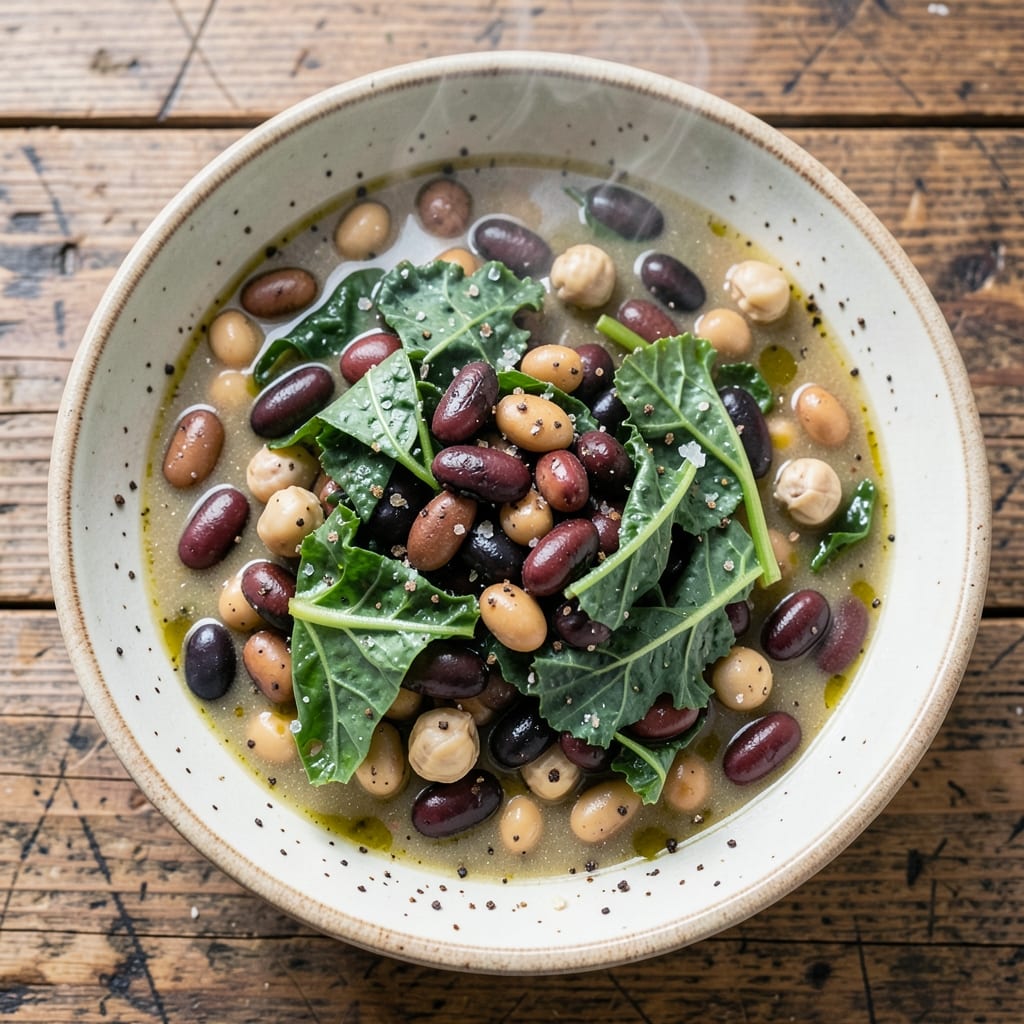
This 15 bean soup with greens recipe transforms humble pantry staples into a soul-warming meal that simmers for hours, filling your kitchen with earthy aromas and your table with hearty goodness. The slow-cooked beans—navy, pinto, black, and more—develop deep, complex flavors, while the greens wilt into tender perfection at the last minute. I’ve perfected this recipe over years of testing, ensuring every spoonful delivers that perfect balance of smoky, savory, and slightly sweet notes that make it a staple in my winter rotation.
The beauty of this dish lies in its simplicity and adaptability. You’ll start with dried beans, which soak overnight (or use a pressure cooker for a faster option), then simmer with aromatic vegetables, herbs, and spices until everything melds into a rich, thick broth. The greens—kale, collards, or spinach—get added just before serving to preserve their vibrant color and crisp texture. This is the kind of recipe that tastes even better the next day, making it ideal for meal prep or feeding a crowd.
What you’ll end up with is a deeply satisfying, one-pot meal that’s packed with plant-based protein, fiber, and vitamins. The beans are tender but hold their shape, the broth is rich and flavorful, and the greens add a touch of freshness that brightens every bite. It’s the kind of dish that feels like a hug in a bowl—comforting, nourishing, and impossible to resist.
Serve it with crusty bread to soak up every last drop of that savory broth, or pair it with a simple green salad for a lighter contrast. Leftovers keep well in the fridge for up to five days, and the flavors only deepen with time. Whether you’re cooking for a family gathering or a quiet weeknight dinner, this recipe delivers restaurant-quality heartiness without the fuss.
Ingredients for 15 bean soup with greens
Pantry staples meet slow-cooked magic for a hearty, soul-warming 15 bean soup with greens.
| Ingredient | Amount | Notes |
|---|---|---|
| Dried Navy Beans 🌱 | 1 cup | Rinsed before soaking |
| Dried Pinto Beans 🌱 | 1 cup | Rinsed before soaking |
| Dried Black Beans 🌱 | 1 cup | Rinsed before soaking |
| Dried Kidney Beans 🌱 | ½ cup | Rinsed before soaking |
| Dried Great Northern Beans 🌱 | ½ cup | Rinsed before soaking |
| Dried Chickpeas 🌱 | ½ cup | Rinsed before soaking |
| Yellow Onion 🧅 | 1 whole | Diced (about 1.5 cups) |
| Carrots 🥕 | 3 whole | Chopped into chunks |
| Celery Stalks 🧅 | 3 whole | Chopped into pieces |
| Garlic Cloves 🧄 | 4 cloves | Minced (about 1 tbsp) |
| Fresh Kale 🌿 | 1 lb | Chopped (stems removed) |
| Bay Leaves 🌿 | 2 whole | Dried, for simmering |
| Dried Thyme 🌿 | 1 tsp | Or 1 tbsp fresh |
| Dried Oregano 🌿 | 1 tsp | Or 1 tbsp fresh |
| Smoked Paprika 🌶️ | 1 tsp | For smoky depth |
| Vegetable Broth 💧 | 6 cups | Low-sodium preferred |
| Tomato Paste 🍅 | 2 tbsp | For richness |
| Extra-Virgin Olive Oil 🫒 | 2 tbsp | For sautéing |
| Salt 🧂 | 1 ½ tsp | Adjust to taste |
| Black Pepper 🌶️ | ½ tsp | Freshly ground |
The beans are the star—mix dried varieties for texture and flavor. Bob’s Red Mill or Trader Joe’s bulk bins are great for quality dried beans. If you're short on time, use pre-soaked beans from the canned aisle, but they won’t have the same depth of flavor. For the greens, kale holds up best during cooking, but collards or spinach work too. Just chop them roughly—no need to be precise. The broth is non-negotiable here; low-sodium vegetable broth keeps the flavor balanced without extra salt. If you can’t find it, homemade broth or even water with bouillon cubes works in a pinch.
No smoked paprika? Regular paprika plus a pinch of liquid smoke gets you close. Fresh thyme or oregano? Use three times the amount of dried. The tomato paste can be swapped for 1 cup crushed tomatoes if you prefer. For extra richness, stir in 2 tbsp nutritional yeast at the end—it adds a cheesy depth without dairy. The greens go in last, so don’t overcook them. If you’re using spinach, add it just 5 minutes before serving to keep it vibrant. The beans should be tender but still hold their shape—pressure cooking cuts time in half if you’re in a hurry.
This soup tastes even better the next day—plan ahead. Store in an airtight container in the fridge for up to 5 days, or freeze for 3 months. The flavors deepen with time, so don’t skip the overnight soak if possible. For meal prep, portion into individual containers with a scoop of broth on top—it reheats beautifully. If you make a big batch, freeze half right away. The greens can be prepped ahead and stored in a sealed bag in the fridge for 3 days before adding to the soup.
Why You'll Love This Recipe
- I’ll be real: I used to dread soaking beans. But this recipe? Just toss those dried beans in a pot the night before—no fancy gadgets, no stress. By morning, they’re ready to simmer into something hearty.
- Dried Beans, Done Right: I’ll be real: I used to dread soaking beans. But this recipe? Just toss those dried beans in a pot the night before—no fancy gadgets, no stress. By morning, they’re ready to simmer into something hearty.
- Earthy, Not Bland: Honestly, the mix of navy, pinto, and black beans creates this deep, satisfying texture—creamy in spots, firm in others. Add the greens at the end, and it’s like a hug in a bowl, especially when the broth gets that rich, caramelized edge.
- Potluck Hero: Between us, this is my go-to for gatherings. It’s filling enough for a crowd but still light enough that no one feels stuffed. Plus, the greens make it feel fresh, not heavy—great for summer picnics or winter potlucks.
Step-by-step instructions for hearty 15 bean soup with greens
This one-pot wonder transforms simple pantry staples into a rich, flavorful soup that's ready in hours.
Soak the Beans for Maximum Tenderness
Combine all the dried beans—1 cup each of navy, pinto, and black beans plus 0.5 cup each of kidney, great northern, and chickpeas—in a large bowl. Cover them with plenty of cold water (at least 8 cups) and let them soak for 8-12 hours or overnight. This long soak ensures they cook through evenly and prevents a mushy texture.
I like to soak them in the refrigerator to slow fermentation. Before cooking, drain and rinse the beans thoroughly under cold water. This removes any excess starch that could make the soup cloudy. Pro tip: If you're short on time, you can use the quick-soak method—just boil the beans for 2 minutes, then let them sit off heat for 1 hour before draining again.
Sauté the Vegetable Base for Deep Flavor
Heat the 2 tablespoons extra-virgin olive oil in a large Dutch oven or heavy pot over medium heat. Add the diced yellow onion, chopped carrots, and chopped celery stalks. Cook for 8-10 minutes, stirring occasionally, until the vegetables soften and the onion becomes translucent.
This step builds the foundation of your soup. Don't rush it—you want the vegetables to caramelize slightly, which deepens the flavor. Add the minced garlic cloves and cook for another 30 seconds until fragrant. Here's where it gets good: Stir in the 2 tablespoons tomato paste and cook for 1 minute to remove its raw taste. This creates a rich, umami base that ties everything together.
Simmer the Beans Until Perfectly Tender
Add the drained beans to the pot along with the 6 cups vegetable broth, 2 whole bay leaves, 1 teaspoon dried thyme, 1 teaspoon dried oregano, 1 teaspoon smoked paprika, 1.5 teaspoons salt, and 0.5 teaspoon black pepper. Stir well to combine, then bring the mixture to a boil over high heat. Once boiling, reduce the heat to low and cover the pot.
Let the beans simmer for 45-60 minutes, stirring occasionally to prevent sticking. You'll know they're done when they're fork-tender but still hold their shape. If the soup looks too thick, add a little water or broth—it should have a hearty, stew-like consistency. Real talk: This is where patience pays off. Skim off any foam that rises to the surface to keep the soup clean.
Add Greens and Finish with Kale
Once the beans are tender, stir in the chopped 1 pound fresh kale (stems removed). Simmer uncovered for another 10-15 minutes until the kale wilts completely. The greens should blend into the soup, adding a subtle earthiness that balances the richness of the beans.
Taste and adjust the seasoning if needed. I usually add a pinch more salt or a splash of lemon juice to brighten the flavors. The soup should be deeply flavorful with a perfect balance of smoky, herby, and slightly sweet notes. If you're serving it immediately, you can skip the final step—but if you want to serve it later, let it cool slightly, then refrigerate for up to 3 days or freeze for 3 months. The flavors only get better with time!
Pro Tips For Making 15 Bean Soup With Greens
- SOAK BEANS SEPARATELY: Navy beans and Great Northerns need 8+ hours; Pinto and black beans handle 4 hours. I learned this the hard way—mixing them all in one bowl means some beans stay rock-hard while others turn mushy. Use two bowls, label them, and save yourself an hour of scrubbing beans later.
- SKIP THE BOIL: After soaking, drain and rinse the beans, then cover them with fresh cold water in your pot. Bring to a boil for 2 minutes, then reduce to a simmer. This washes off excess starch and keeps the soup from turning gluey—trust me, your future self will notice the difference.
- ADD GREENS LAST: Kale, collards, or spinach wilt into oblivion if tossed in too early. Wait until the beans are tender but still have 15 minutes of cooking left, then stir in the greens. They’ll soften just enough to blend in without disappearing into bean mush.
- USE A FLAVOR BOOSTER: Toss in a handful of frozen corn or a diced smoked sausage (like kielbasa) with the greens. The corn sweetens the broth, and the sausage adds depth without extra effort—no one will guess it’s a shortcut, but they’ll ask for seconds.
Common mistakes when making perfect results
Rushing the Soak
Skipping the overnight soak is a common mistake, but it can leave your beans tough and unevenly cooked. Dried beans need time to rehydrate fully, and the 8-12 hour soak ensures they soften evenly. If you're in a hurry, use the quick-soak method—boil beans for 2 minutes, then let them sit off heat for 1 hour before draining. Never skip soaking entirely, or you'll end up with a mushy, unappetizing texture. 🌱
Skipping the Sauté
Adding raw beans directly to cold broth is a shortcut that robs your soup of depth. Always sauté the onion, carrots, and celery until softened—they form the flavor base. Caramelizing them for 8-10 minutes develops sweetness and richness that can't be replicated by dumping everything in at once. This step is non-negotiable for a truly flavorful soup. 🧅
Ignoring the Foam
Those bubbles that rise to the surface during simmering aren't just unsightly—they can make your soup cloudy and bitter. Skim them off with a spoon as they appear, especially in the first 15 minutes of cooking. This keeps your broth clear and clean, letting the natural flavors shine. I use a fine-mesh slotted spoon for this—it's the easiest way to remove foam without losing liquid. ⚡
Overcooking the Greens
Adding greens too early turns them to mush, destroying their texture and nutrients. Stir in the kale or spinach only in the last 10-15 minutes of cooking. For spinach, add it just 5 minutes before serving to preserve its vibrant color. Overcooked greens make the soup taste bitter and lose their nutritional benefits. 🌿
Underestimating Salt
Tasting as you go is crucial, but many cooks forget to adjust salt after simmering. The beans absorb liquid, which dilutes flavor. Taste your soup before serving and add ½ teaspoon salt at a time until it reaches the right balance. Remember, you can't remove excess salt later—so better to err on the side of caution. A pinch of black pepper or a squeeze of lemon juice can also brighten flavors if needed. 🧂
Using High Heat
Simmering on high heat speeds up cooking but creates a thin, watery soup. Keep the heat at low once boiling to let flavors develop gradually. A gentle simmer also prevents beans from splitting open, which makes the soup too thick. If it gets too thick, add ½ cup water or broth to reach your desired consistency. Patience here makes all the difference. 🔥
Nutrition facts
Frequently asked questions
Can I make this 15 bean soup with greens in a slow cooker?
Drain and rinse the soaked beans, then combine them with all ingredients (except greens) in your slow cooker. Cook on low for 6-7 hours or high for 3-4 hours until beans are tender. Stir in greens during the last 30 minutes of cooking. The slow cooker's gentle heat keeps flavors deep and prevents beans from breaking apart.
Are there any bean substitutions I can use?
Yes, but keep the total volume similar. Swap any dried bean for canned (drained/rinsed) to save time, though texture differs. For variety, try lentils or white beans—just reduce cooking time by 15-20 minutes. Avoid kidney beans if you're sensitive to oxalates. The key is maintaining a mix of textures for that classic "15 bean" experience.
How do I make this recipe vegan?
Use vegetable broth instead of chicken broth and ensure your tomato paste is vegan (check for anchovy-free labels). Skip any optional dairy garnishes like Parmesan. The recipe is already plant-based, but verify all spices contain no animal products. For extra richness, stir in 2 tbsp nutritional yeast at the end—it adds a cheesy depth without dairy.
Why does my soup turn out too thick?
This usually happens from overcooking beans or insufficient liquid. Add ½ cup water or broth at a time while simmering until you reach a stew-like consistency. For prevention, start with 7 cups broth instead of 6. The beans should be tender but not mushy—if they're breaking apart, reduce cooking time next batch.
Can I prep this soup ahead of time?
Yes! Make the soup up to 3 days ahead and store in an airtight container. Reheat gently on the stove with a splash of water or broth. For freezing, portion into containers (leave 1-inch headspace) and freeze for up to 3 months. Thaw overnight in the fridge before reheating. The flavors actually improve after resting!