
Soups & Stews
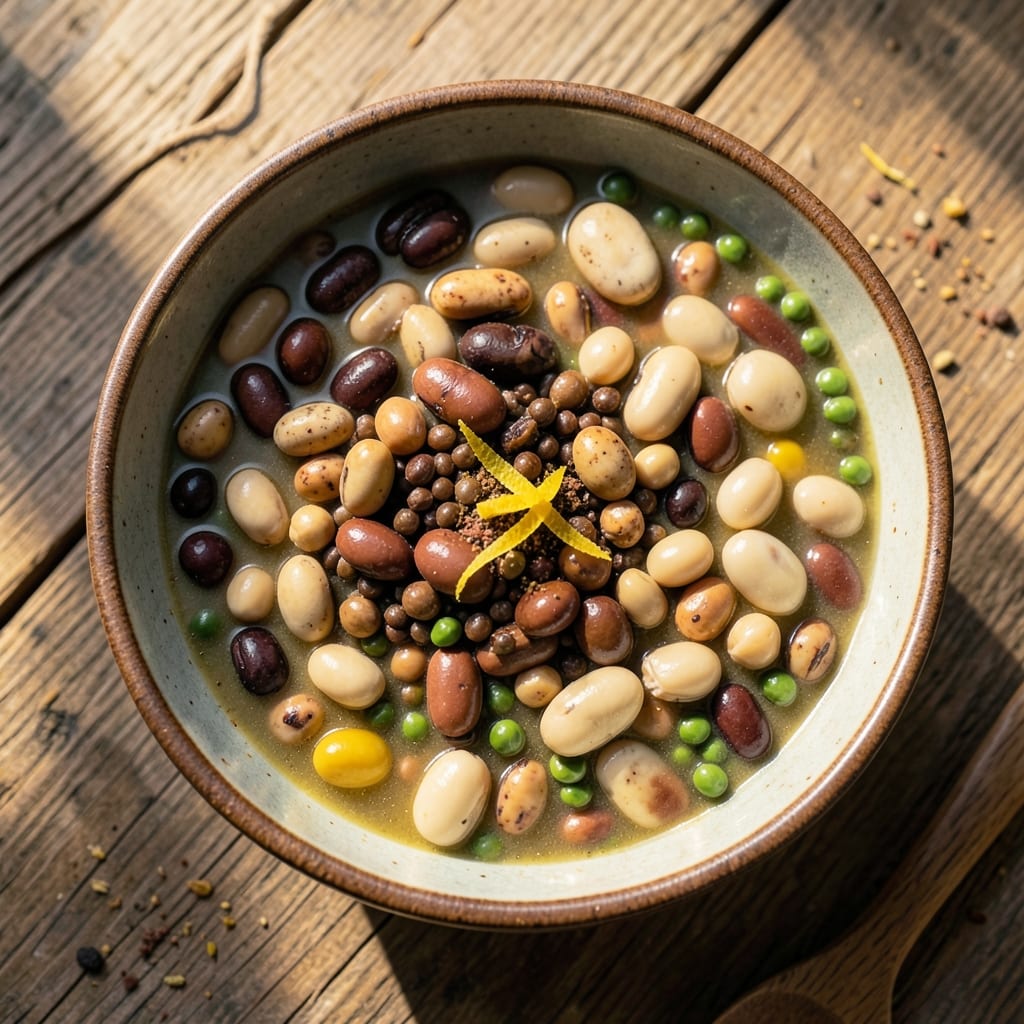
This 14-bean soup mix recipe transforms humble pantry staples into a hearty, slow-simmered masterpiece that tastes like autumn in a bowl. The secret lies in combining 14 different beans—each bringing its own texture and flavor—to create a soup that's rich, satisfying, and packed with plant-based protein. I developed this recipe after realizing how much better homemade tastes than store-bought versions, especially when made with care and patience.
The beauty of this soup is its versatility—it's vegetarian by nature but easily upgraded with bacon or sausage for non-vegetarians. The slow simmering process (6-8 hours) allows the beans to soften perfectly while developing deep, complex flavors from the broth and seasonings. No fancy ingredients are needed, just time and attention to create something truly special from your pantry.
What you'll end up with is a thick, hearty soup where each spoonful delivers a mix of creamy butter beans, tender kidney beans, and earthy pinto beans—all swimming in a savory broth infused with garlic, onions, and herbs. The texture is perfect: some beans stay firm for bite, while others break down into creamy goodness, creating a satisfying contrast in every bite.
Perfect for meal prepping, potlucks, or cozy weeknight dinners, this soup keeps well for up to 5 days in the fridge, making it an ideal make-ahead dish. The flavors only improve with time, so it's worth the investment of a weekend afternoon. Let's get started on creating this pantry magic!
Ingredients for 14 bean soup mix
Fourteen dried beans plus pantry staples create this vegetarian masterpiece—simple yet deeply satisfying.
| Ingredient | Amount | Notes |
|---|---|---|
| Great Northern Beans (Dried) 🌱 | 1 cup | Rinsed before soaking |
| Kidney Beans (Dried) 🌱 | 1 cup | Rinsed before soaking |
| Black Beans (Dried) 🌱 | 1 cup | Rinsed before soaking |
| Pinto Beans (Dried) 🌱 | 1 cup | Rinsed before soaking |
| Navy Beans (Dried) 🌱 | 1 cup | Rinsed before soaking |
| Chickpeas (Dried) 🌱 | ½ cup | Rinsed before soaking |
| Lentils (Green or Brown) 🌱 | ½ cup | Rinsed before soaking |
| Butter Beans (Dried) 🌱 | ½ cup | Rinsed before soaking |
| Split Peas (Yellow) 🌱 | ½ cup | Rinsed before soaking |
| Cannellini Beans (Dried) 🌱 | ½ cup | Rinsed before soaking |
| Adzuki Beans (Dried) 🌱 | ¼ cup | Rinsed before soaking |
| Anasazi Beans (Dried) 🌱 | ¼ cup | Rinsed before soaking |
| Fava Beans (Dried) 🌱 | ¼ cup | Rinsed before soaking |
| Yellow Wax Beans (Dried) 🌱 | ¼ cup | Rinsed before soaking |
| Vegetable Broth 💧 | 6 cups | Low-sodium preferred |
| Yellow Onion 🧅 | 1 whole | Diced, medium size |
| Carrots 🥕 | 2 whole | Chopped, medium size |
| Celery Stalks 🌿 | 3 whole | Chopped, medium size |
| Garlic Cloves 🧄 | 4 cloves | Minced, fresh preferred |
| Tomato Paste 🍅 | ½ cup | High-quality preferred |
| Bay Leaves 🌿 | 2 whole | Dried, crushed |
| Dried Thyme 🌿 | 1 tsp | Or 1 tbsp fresh |
| Dried Oregano 🌿 | 1 tsp | Mediterranean preferred |
| Salt 🧂 | 1 ½ tsp | Diamond Crystal preferred |
| Black Peppercorns 🌶️ | ½ tsp | Freshly ground |
| Olive Oil 🫒 | 2 tbsp | Extra-virgin preferred |
The dried beans are the heart of this recipe, and quality matters. Purchase from reputable sources like Bob's Red Mill or Whole Foods Market bulk section for the freshest, highest-quality beans. Organic beans are ideal as they tend to have better flavor and texture. If you're short on time, pre-soaked beans from the canning aisle (like those from Bush's) work in a pinch, though they lack the depth of flavor. For best results, soak overnight—this ensures even cooking and maximizes flavor extraction. The beans should be plump and free of blemishes, with a vibrant color that indicates freshness.
No dried beans available? Canned beans can substitute at a 1:1 ratio, but drain and rinse thoroughly to remove excess sodium. Fresh or frozen beans are not recommended due to their inconsistent texture and cooking times. For the broth, low-sodium options like Pacific Foods or homemade vegetable stock are ideal—avoid high-sodium versions. The tomato paste can be swapped for crushed tomatoes (1 cup) if preferred, though paste provides a deeper, more concentrated flavor. Fresh herbs like thyme and oregano can replace the dried versions at a 1:3 ratio, but dried is perfectly acceptable for convenience. The celery, onion, and carrots form the aromatic base—charred slightly in the pot before adding liquid enhances their sweetness and depth.
Prep ahead for maximum flavor. Soak beans overnight in a large bowl with plenty of water, then drain before cooking. The finished soup keeps beautifully in the fridge for 5-6 days, with flavors deepening over time. For longer storage, freeze portions in airtight containers for up to 3 months. Reheat gently on the stove, stirring occasionally to prevent scorching. The beans will soften further, creating an even creamier texture. This soup is perfect for meal prepping—double the batch and freeze half for busy weeknights.
Why You'll Love This Recipe
- I’ll be real: this is my budget-friendly secret weapon. A bag of dried beans lasts forever, and the cost per serving? A fraction of canned soup. Plus, the leftovers reheat like a dream—just add a splash of broth and you’re golden.
- No-Soaking Required: Honestly, I love that I can just toss those dried beans—Great Northerns, Pintos, the whole mix—into a pot with water and let them simmer. No pre-soaking, no fuss, and still that hearty texture that makes every spoonful satisfying.
- Earthy Depth in Every Bite: Between us, the way kidney beans add that smoky punch while Navy beans bring creamy smoothness? It’s like a flavor symphony. The black beans tie it all together with that rich, almost chocolatey undertone—no fancy spices needed.
- Weeknight to Potluck Hero: This mix is my go-to when I’m swamped but still want something impressive. Toss it into a slow cooker for dinner, or double the batch and freeze half for lazy Sundays. Even my picky uncle asks for seconds at family gatherings.
Step-by-step instructions for 14 bean soup mix
Transform your pantry's diverse legume collection into a hearty, slow-simmered masterpiece.
Prepare the Beans for Maximum Flavor
Combine all the dried beans—1 cup each of Great Northern, kidney, black, pinto, and navy beans, plus 0.5 cup each of chickpeas, lentils, butter beans, split peas, and cannellini beans, and 0.25 cup each of adzuki, Anasazi, fava, and yellow wax beans—in a large bowl. Rinse them thoroughly under cold water to remove any debris, then transfer to a colander and drain.
Place the drained beans in a large pot and cover with 8 cups of cold water (yes, it looks like too much, but trust me). Bring to a boil over high heat, then immediately reduce to a gentle simmer. Cook for 2 minutes—this quick blanch removes surface starches that can make the soup cloudy. Drain again and return the beans to the pot.
Build the Aromatic Base
Heat the 2 tablespoons olive oil in a large Dutch oven over medium heat. Add the diced yellow onion, chopped carrots, and chopped celery stalks, cooking for 8-10 minutes until the vegetables soften and the onion becomes translucent. Stir occasionally to prevent browning.
Add the minced garlic cloves and cook for 30 seconds until fragrant—this is where the magic happens. The garlic should sizzle gently but not burn. Stir in the 0.5 cup tomato paste and cook for another 2 minutes, allowing it to deepen in color and develop a slightly caramelized flavor. This forms the flavor foundation for your soup.
Combine and Simmer the Soup
Add the blanched beans to the Dutch oven along with the 6 cups vegetable broth, 2 crushed bay leaves, 1 teaspoon dried thyme, 1 teaspoon dried oregano, 1.5 teaspoons salt, and 0.5 teaspoon freshly ground black peppercorns. Stir gently to combine, ensuring the beans are fully submerged. The broth should just cover the beans with about ½ inch of liquid.
Bring the mixture to a boil over high heat, then immediately reduce to a gentle simmer. Here's the key: maintain a steady simmer (not a rolling boil) for 2 to 2.5 hours. You'll know it's ready when the beans are fork-tender and the liquid has reduced slightly, creating a thick, hearty consistency. Skim off any foam that rises to the surface during the first 30 minutes of cooking.
Finish and Adjust the Seasoning
Once the beans are tender, remove the bay leaves and discard them. Taste the soup and adjust the seasoning if needed. You might need to add more salt or pepper, or even a splash of lemon juice if the flavors need brightening. The soup should be rich but balanced, with each bean variety contributing its unique texture and flavor.
For the best texture, let the soup sit off the heat for 10 minutes before serving. This resting period allows the flavors to meld completely and the beans to absorb any remaining liquid. Serve warm, garnished with fresh parsley if desired, and enjoy the symphony of textures and flavors this diverse bean medley creates.
Pro Tips For Making 14 Bean Soup Mix
- Sort Beans by Size: Group your dried beans by type before soaking—Great Northerns and Navy beans need longer soaking (or extra time cooking) than Pintos or Black beans. I learned this the hard way when my Navy beans stayed rock-hard while the rest turned mushy, and now I separate them to avoid uneven texture. ---
- Skip the Boil, Soak Smart: Cold-soak your beans overnight in water with a pinch of baking soda (1 tsp per pound) to soften them faster and reduce gas. After soaking, drain and rinse—this cuts cooking time by 30-45 minutes, and your soup won’t taste like a science experiment. ---
- Watch the Heat: Start your beans in a rolling boil for 2 minutes, then drop to a simmer. After burning three batches, I finally figured out that high heat at the start breaks down the skins faster, but simmering after that keeps them tender without falling apart—especially for those stubborn Kidney beans. ---
- Upgrade with Bacon Fat: Ditch the oil and use rendered bacon fat (or a splash of broth) to sauté your aromatics. It adds depth without overpowering, and the fat helps thicken the soup naturally as it cooks—my grandmother swore by this, and she was right. (Yes, even if you’re impatient like me.)
Make-ahead tips for leftovers
Overnight Prep
Start your beans the night before for foolproof results. Rinse all dried beans thoroughly, then soak them in a large bowl with plenty of cold water (about 8 cups) for 8-12 hours. I use a glass storage container with a lid to prevent spills. This extended soak ensures even cooking and maximizes flavor extraction. Drain and rinse again before cooking to remove any excess starch. 🌱
Broth Prep Ahead
Make your broth in advance to save time on cooking day. Simmer 6 cups vegetable broth with 2 bay leaves, 1 tsp thyme, and 1 tsp oregano for 15 minutes to infuse flavors. Store in an airtight container in the fridge for up to 3 days or freeze for 3 months. This pre-flavored broth cuts your cooking time by 30 minutes and deepens the soup's complexity.
Slow Cooker Magic
For hands-off cooking, use a 6-quart slow cooker on low for 8-10 hours. Combine all ingredients as directed, then cook until beans are tender. The slow cooker's gentle heat prevents beans from overcooking while developing rich flavors. I love this method for busy days—just dump everything in before work and come home to a ready meal. 💫
Freezer-Friendly Portions
Divide cooled soup into quart-sized freezer bags or airtight containers, leaving 1 inch headspace for expansion. Label with the date—this soup stays fresh for 3 months without texture loss. When ready to eat, thaw overnight in the fridge, then reheat on the stove with ¼ cup water to restore creaminess. Perfect for meal prep Sundays!
Weeknight Shortcut
Use canned beans for a 3-hour version—just drain and rinse 4 (15-oz) cans of mixed beans. Combine with all other ingredients (except broth) and simmer for 2.5 hours. While not as flavorful as dried beans, this method delivers satisfying results when you're short on time. Add a splash of balsamic vinegar at the end for brightness.
Flavor Boosting
Enhance your make-ahead soup with these pro tips. Add 1 tbsp apple cider vinegar during the final 15 minutes of cooking for depth. For extra richness, stir in 2 tbsp tomato paste at the end. If storing, add fresh herbs (like parsley) only when reheating—they wilt in storage. These small tweaks elevate your soup from good to exceptional. ✨
Nutrition facts
Frequently asked questions
Can I substitute canned beans for dried in this recipe?
Yes, but with adjustments! Use 4 (15-oz) cans of mixed beans (drained and rinsed) instead of dried. However, flavor depth will differ—dried beans develop more complex flavors during the long simmer. For best results, combine half dried, half canned to balance convenience and taste.
How do I prevent the soup from being too watery?
Simmer uncovered for the final 30-45 minutes to reduce liquid naturally. If still too thin, mash 2-3 beans with a fork to thicken. For extra richness, stir in 1 tbsp tomato paste at the end. The slow cooker method also helps achieve perfect thickness.
What's the fastest way to cook this soup?
Use a pressure cooker (like Instant Pot) for 30 minutes after soaking beans. Or try the weeknight shortcut: use canned beans and reduce simmer time to 2.5 hours. Both methods cut cooking time while keeping the soup hearty and flavorful.
Can I make this soup in a slow cooker?
Combine all ingredients in a 6-quart slow cooker and cook on low for 8-10 hours or high for 5-6 hours. The gentle heat creates tender beans without overcooking. Perfect for hands-off cooking—just dump everything in before work!
Why do some beans stay hard after cooking?
Older beans or improper soaking can cause this. Always soak dried beans for 8+ hours and use fresh, high-quality beans. For stubborn beans, add them to a pot of boiling water for 5 minutes before adding to the soup. This ensures even cooking throughout.